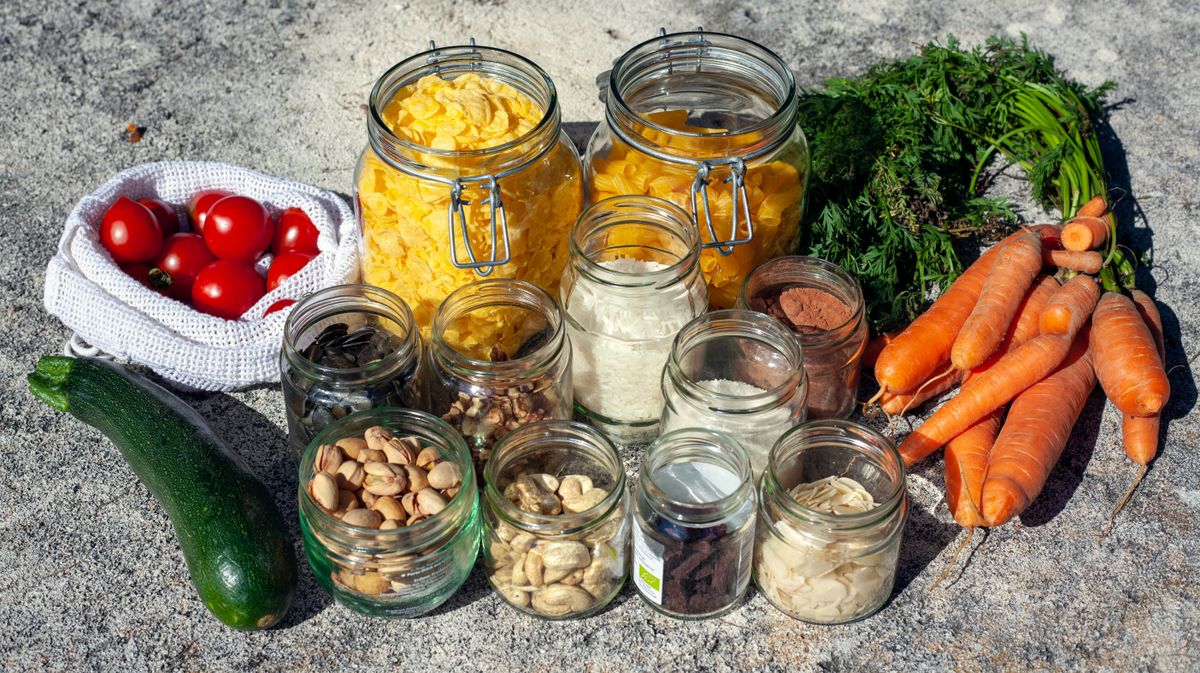
Fresh ingredients and homemade sauces bring excitement and satisfaction to your meals, even when you skip packaged snacks and ready-made foods. You can keep all the flavor and enjoyment you love while making simple changes in your kitchen routine. Try mixing yogurt with herbs and spices for a creamy salad dressing rather than reaching for a store-bought bottle. These small adjustments help you discover new combinations and tastes, making each dish more rewarding. As you continue, your shelves will fill with nourishing basics that invite you to explore and experiment with different flavors, turning everyday cooking into a more joyful experience.
Research shows that people who prepare meals at home eat 25% less sugar and sodium. That difference results in more energy and a better mood. Think of this as a friendly challenge rather than a restriction. You’ll discover new favorites and feel proud of each step away from overly processed options.
Plan Your Weekly Meals
A clear plan removes guesswork and curbs convenience-store runs. When you outline dishes for the week, you find opportunities to use fresh produce and whole grains. You spend less on impulse buys and save up to two hours a week that would otherwise go to last-minute shopping.
Michael in Denver tried this approach and cut his dining-out budget by 30%. He downloaded a simple spreadsheet and found that planning eased his grocery trips. Start with basic themes—Meatless Monday, Taco Tuesday—and fill in recipes that use overlapping ingredients.
- Review your calendar and pick three to five meals you’ll cook at home.
- Check your fridge; note what you already have and what you need.
- Create a shopping list grouped by section: produce, proteins, grains.
- Prep items in advance—wash greens, chop veggies, portion protein.
- Schedule a single weekly grocery run to stick to your list.
Shop Smarter
Walking down grocery aisles with a label-reading strategy helps you spot hidden sugars and additives. Packaged foods often sneak in high-fructose corn syrup, palm oil and preservatives that provide no nutritional value. Choosing whole-food versions fuels your body without the fillers.
Keep a magnifying glass mentality: you want short ingredient lists with familiar items. Next time you compare pasta sauces or snack bars, look for clear naming and minimal extras. Your choices lead to better health and a lighter grocery bill.
- Scan the first three ingredients—make sure they’re foods you recognize.
- Aim for under five grams of added sugar per serving in sauces and dressings.
- Avoid items listing “natural flavors” without specifying the source.
- Choose “whole grain” at the start of a cereal or bread ingredient list.
- Compare sodium: pick options with less than 300 mg per serving.
Add Fresh Herbs and Spices to Enhance Flavor
Store-bought sauces pack in sugar, salt and stabilizers. You can recreate bright tastes by using fresh basil, cilantro or dill. A sprinkle of smoked paprika adds a warm, savory kick to roasted vegetables. Pair lemon zest with garlic for a sauce that beats bottled Alfredo.
Imagine brushing grilled chicken with a mix of turmeric, cumin and black pepper. You replace processed marinade with pure spices that offer antioxidants and real zing. Sarah from Atlanta shares that once she tried making her own taco seasoning, she never touched packets again.
Healthy Replacements for Snacks and Treats
Instead of reaching for *Oreos*, try dipping apple slices in almond butter with a dash of cinnamon. This swap cuts added sugars by 80% while providing fiber and healthy fats. If you crave crunch, roast chickpeas with a touch of olive oil and sea salt; they pack protein.
Craving ice cream? Blend frozen banana chunks with a splash of milk for an instant soft-serve treat. It mimics the creaminess you love, with natural sweetness only. When you feel satisfied, you’ll skip the artificial flavors and hidden syrups in store-bought desserts.
Cook in Batches and Prepare in Advance
Set aside two hours each Sunday to cook larger portions of beans, grains and roasted veggies. Store them in clear containers so you can see them easily in your fridge. You’ll grab ready-to-eat elements instead of processed microwave meals during busy weekdays.
Jessica in Portland preps four containers of vegetable soup every weekend. She freezes half and refrigerates the rest. This ritual saves her from ordering takeout and helps her reach the goal of eating five servings of vegetables daily.
Practice Mindful Eating
Slow down and focus on texture, taste and aroma. Studies show that practicing mindful eating reduces overeating by up to 14%. Turn off screens at mealtime. Chew each bite at least 20 times and notice subtle flavors. You’ll feel full faster and enjoy food more.
Share meals with friends or family when you can. Conversation naturally slows your pace. When you sit down, serve food on a plate instead of eating from a bag or box. This simple change helps you recognize fullness cues before you overindulge.
Make small changes like planning meals or swapping snacks to improve your diet gradually. Focus on one tip each week and build on your progress. Your future self will thank you for choosing fresh flavors over processed fillers.