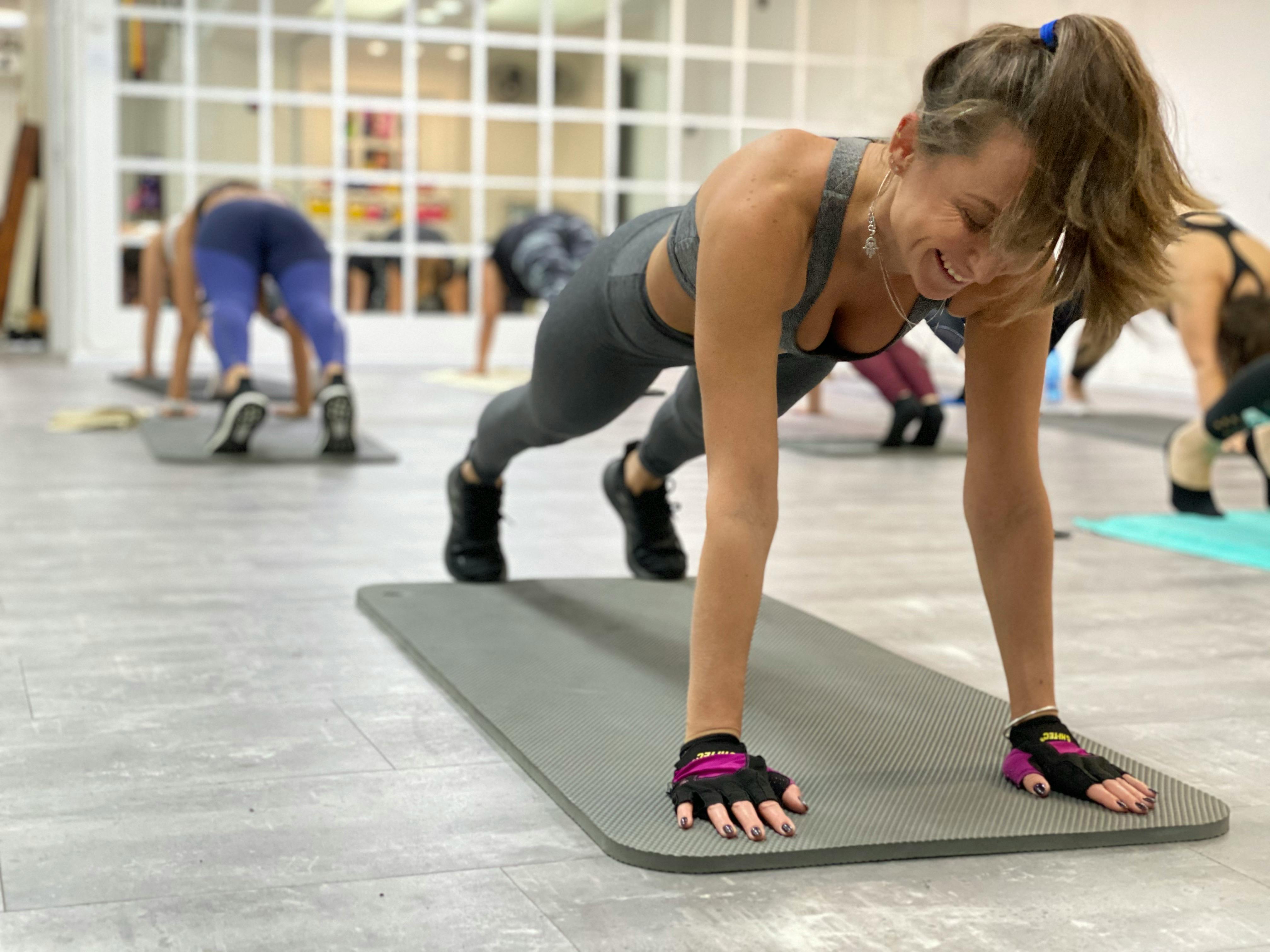
The Best Aquatic Fitness Exercises for Full-Body Conditioning
Jun 06, 2026



Building strength without putting unnecessary strain on your joints requires thoughtful consideration. Many people look for workouts that challenge their muscles but do not put their knees and shoulders at risk. Low-impact routines offer an effective solution by reducing stress on vulnerable areas while still engaging major muscle groups. These exercises focus on the core, arms, legs, and back, allowing you to develop strength and stability without discomfort. By choosing movements that minimize impact, you can work toward your fitness goals and support joint health at the same time. Low-impact workouts make it possible to stay active and strong, regardless of your experience level.
This guide offers ten joint-friendly moves, clear definitions, safety tips and equipment tweaks. You’ll learn how each exercise works, what gear helps and how to adapt routines to your fitness level. Use it to craft a sustainable plan that grows stronger without risking joint pain.
Low-impact exercise limits stress on weight-bearing joints. You keep at least one foot on the ground or use support gear to reduce shock. That means less wear on cartilage, ligaments and tendons.
These workouts still challenge muscles, improve balance and boost heart rate. They work for beginners recovering from injury and active adults seeking joint protection.
These moves combine muscle activation with controlled joint loading. By limiting impact, you allow cartilage to repair and prevent microtears. Over time, connective tissue adapts and becomes stronger around your joints.
You will observe better posture as core and stabilizer muscles fully engage. Strong hips and glutes reduce pressure on knees. Improved shoulder stability decreases rotator cuff strains. Overall, you increase power without sacrificing joint health.
You do not need a full gym to protect your joints. A light set of dumbbells, a sturdy chair and an elastic band cover most moves. For aquatic work, a simple flotation belt and pool noodles increase support.
To customize your routine, first adjust your range of motion. If a squat feels too deep, sit back to a higher chair. Swap heavy dumbbells for filled water bottles or canned goods. Add a towel under knees for cushioning during floor exercises. Small adjustments let you keep the intensity high while keeping your joints safe.
Choose the right exercises to strengthen and protect your joints. Follow these tips and equipment suggestions to stay pain-free and make steady progress.
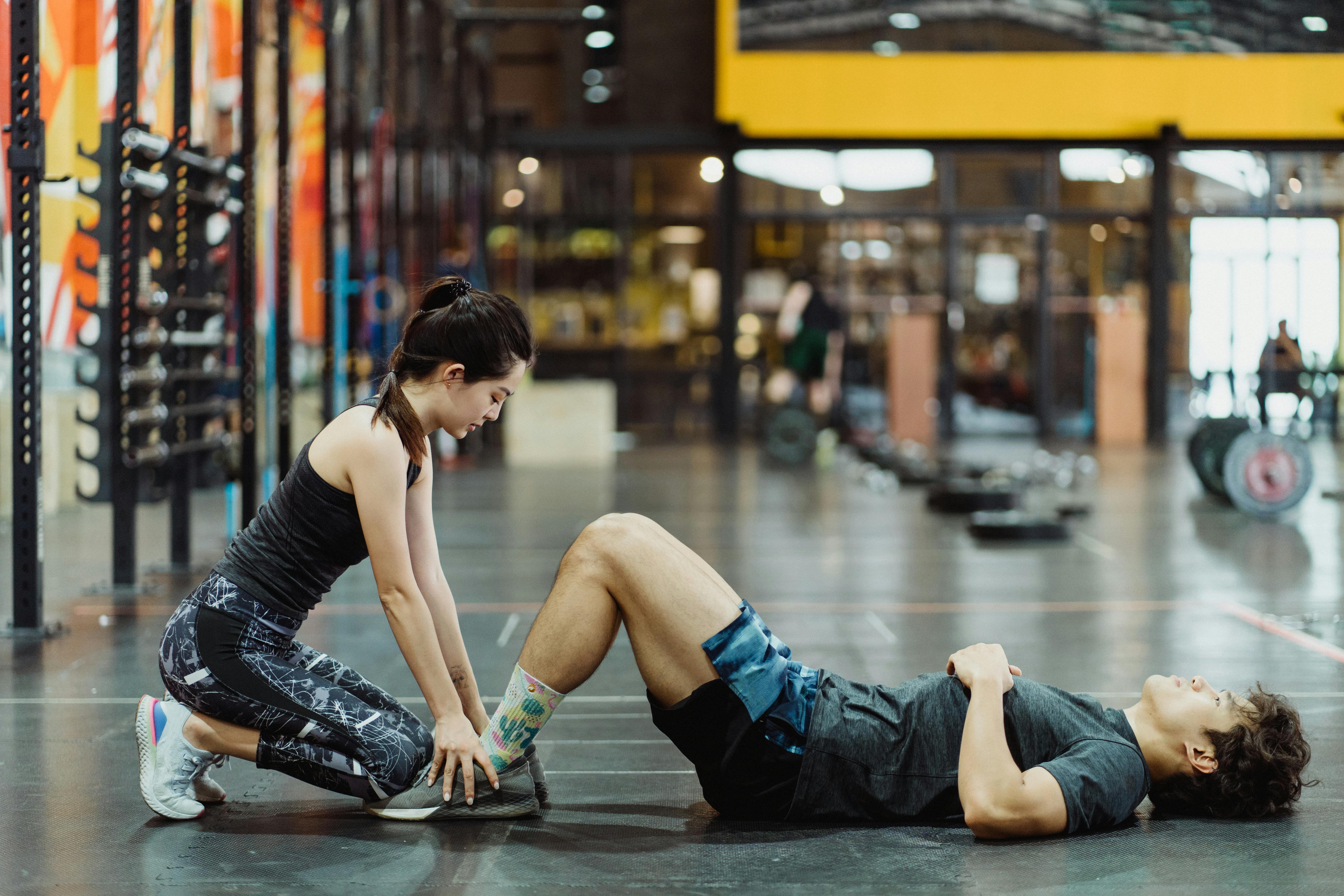
Healing after an injury often brings a mix of impatience and determination, particularly when you want to stay active and continue making progress. Watching others move...
Apr 25, 2026

Muscles often feel sore and tired after a challenging workout, making recovery an essential part of any exercise routine. Taking time to care for your body at home can...
Mar 24, 2026
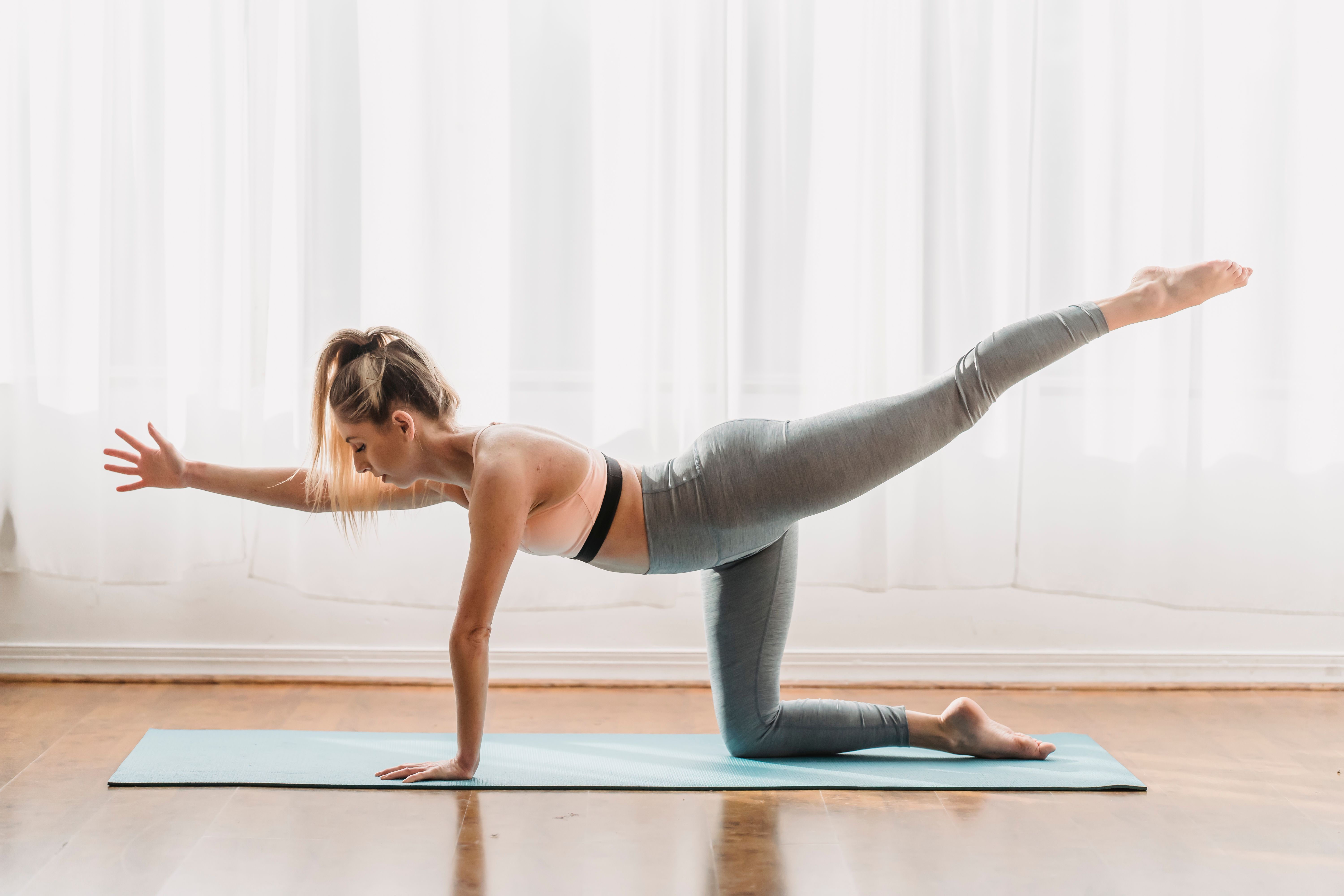
Strengthening your midsection brings noticeable improvements to your everyday comfort and mobility. Basic exercises performed at home offer valuable benefits, all...
Jul 15, 2026
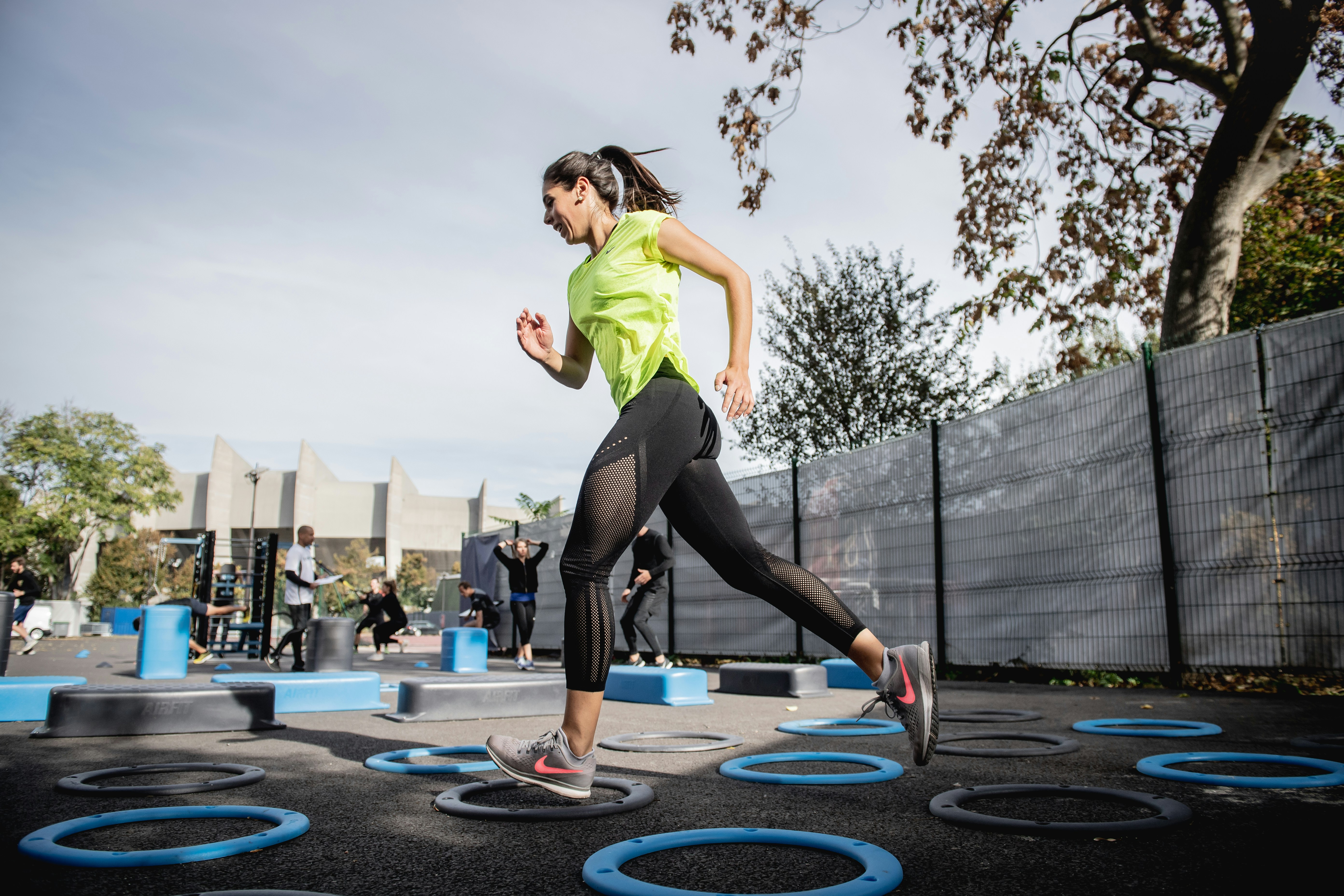
Busy schedules often make it challenging to fit in a good cardio workout. Long workdays filled with meetings and personal commitments can leave you feeling drained and...
Jul 10, 2026
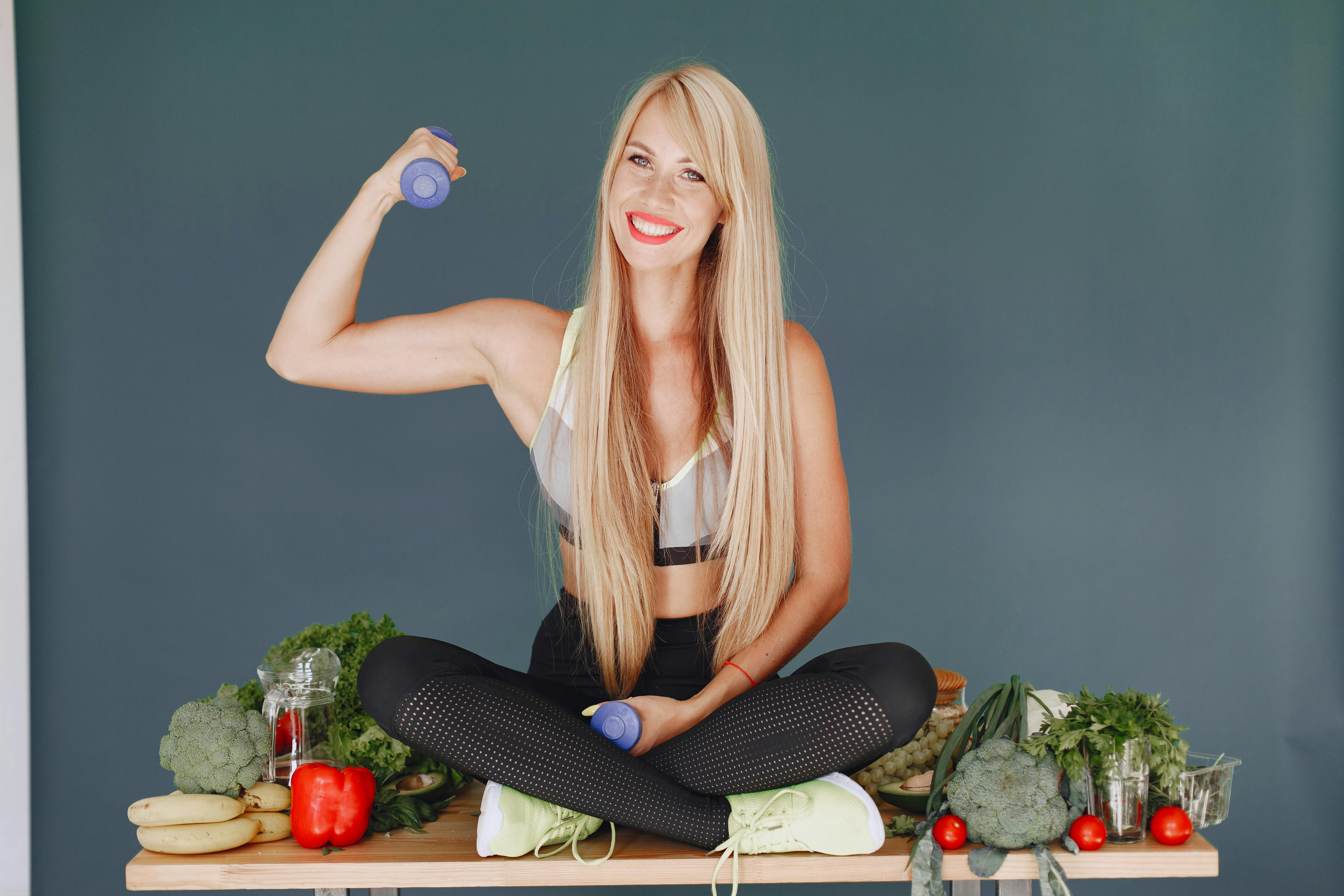
Giving your body the right nutrients before and after exercise helps you get more out of every workout. When you pay attention to what you eat before physical activity,...
Jun 02, 2026
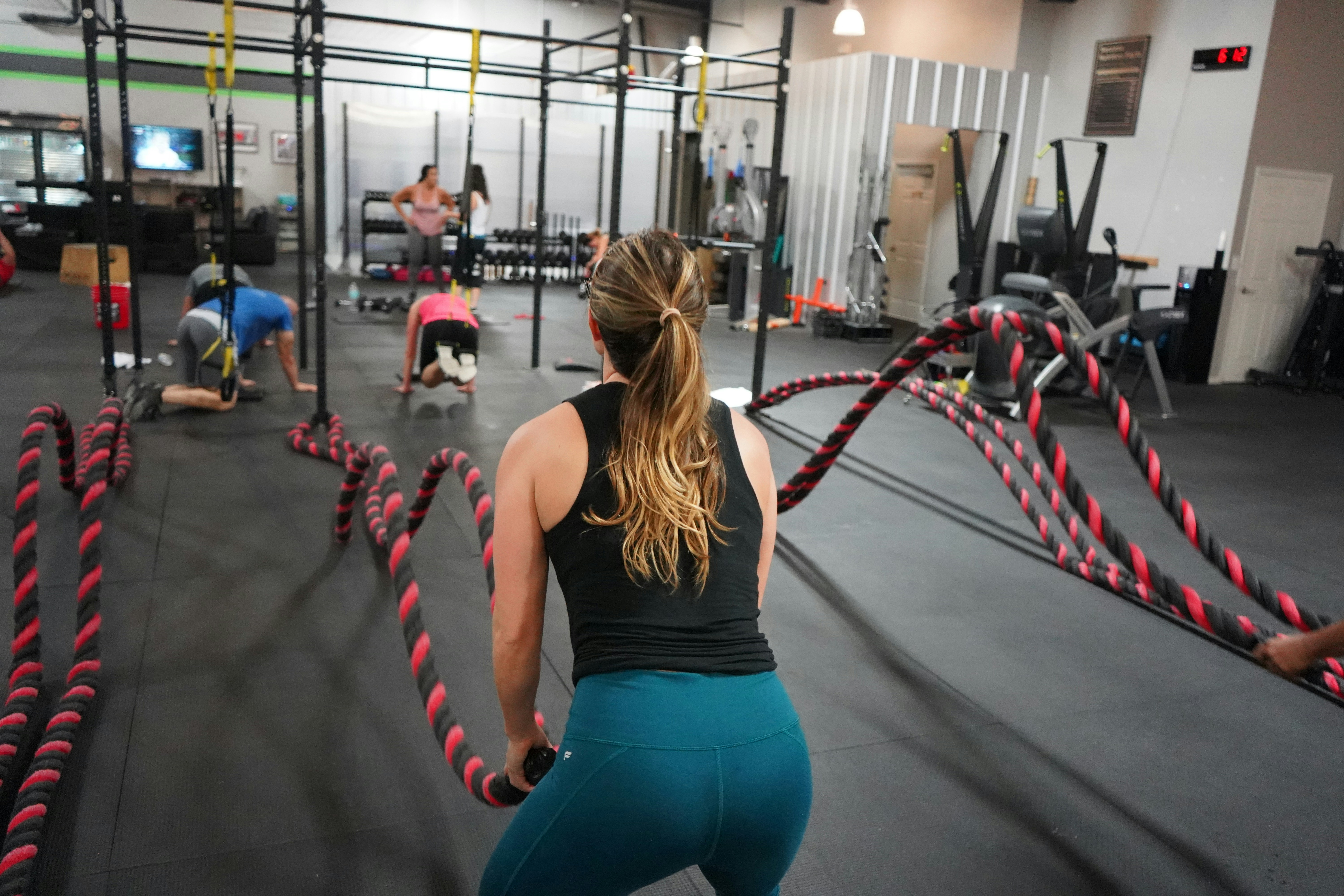
Many people find renewed motivation and progress when they join fitness retreats and bootcamps. These experiences offer structured workouts, balanced meals, and...
Apr 29, 2026
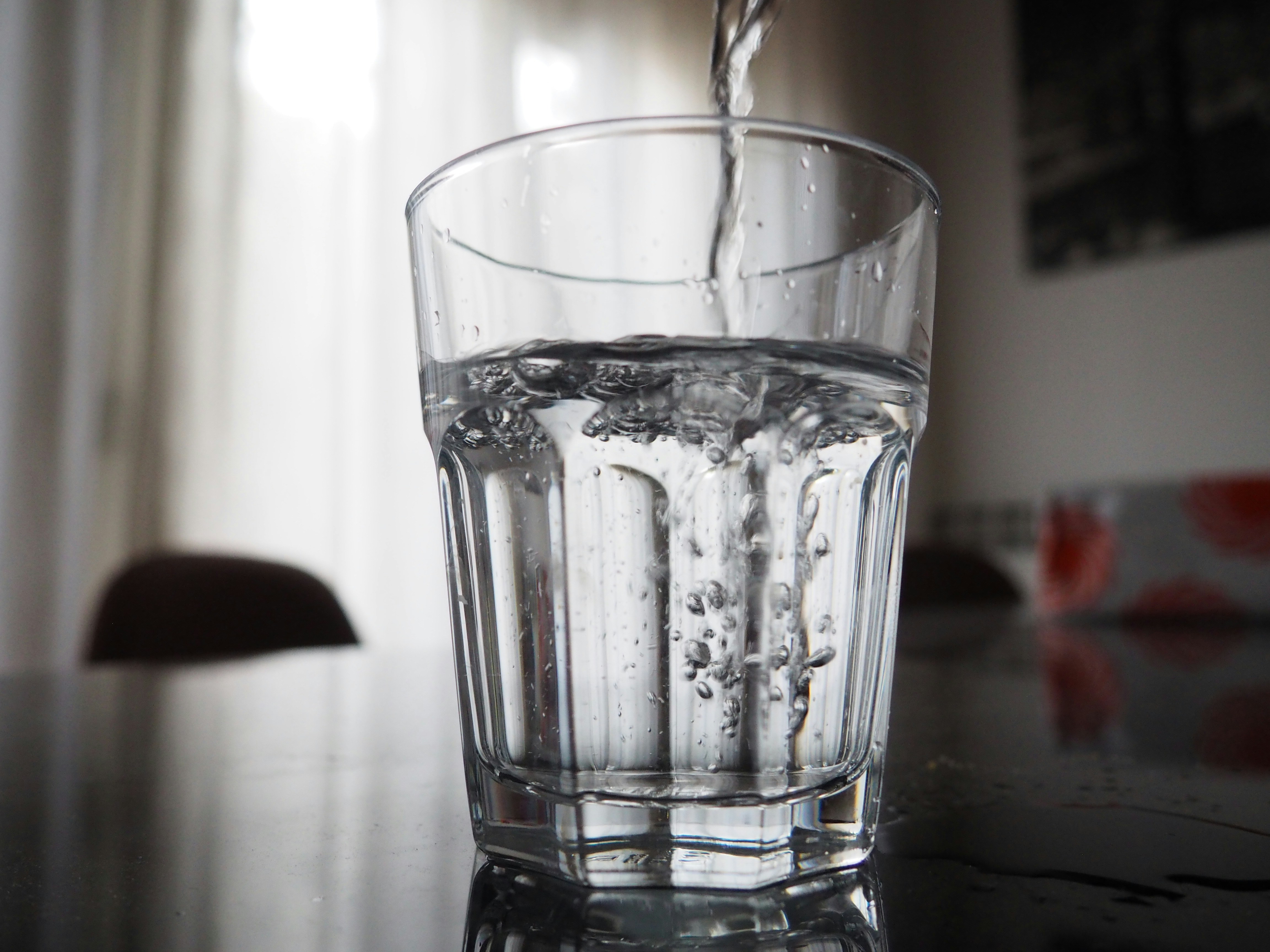
Every cell in your body depends on water to function at its best, making hydration essential for maintaining steady energy, clear focus, and good health. Drinking enough...
Jun 28, 2026

Creating a living space that feels comforting and environmentally conscious begins with thoughtful decisions about your surroundings. By paying attention to elements...
Jun 21, 2026

Many people struggle to find a healthy balance when it comes to time spent on devices. Constant scrolling can quickly sap your energy and focus, yet avoiding screens...
Jun 24, 2026

Each sip of water and every breath brings more than just essential elements into your body; hidden chemicals may also find their way in. These invisible substances move...
Jul 01, 2026
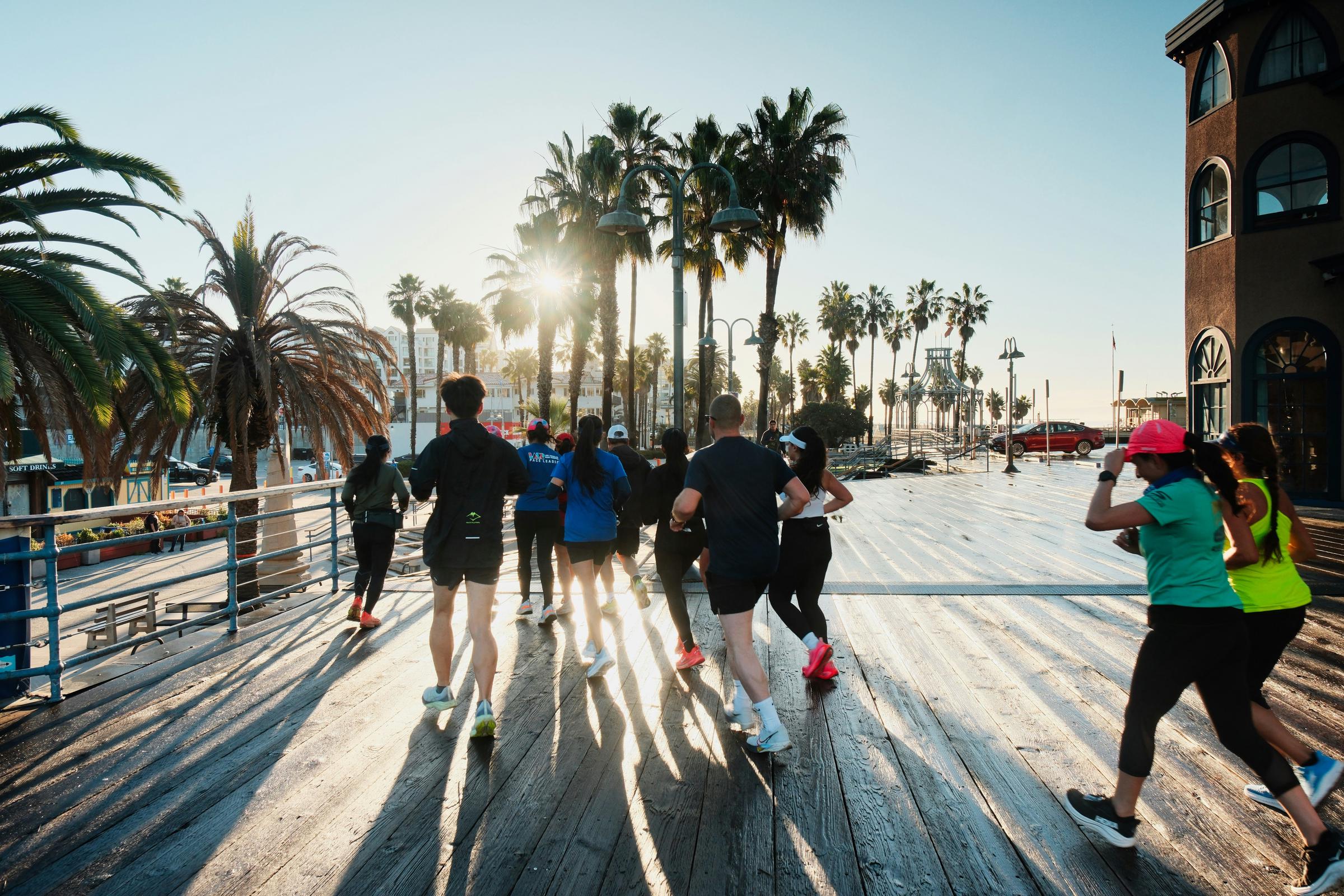
Building the drive to complete a challenging workout demands more than determination alone. A well-structured plan, engaging new activities, and consistent routines...
Jun 10, 2026

Many people wake up feeling tired or find their thoughts racing, even after spending a full night in bed. Achieving truly restful sleep takes more than just logging...
Jun 15, 2026

Daily responsibilities often build up, leaving you feeling overwhelmed or tired before the day has truly begun. Early mornings sometimes bring more fatigue than rest,...
May 09, 2026
Clean, fresh air at home shapes your comfort and well-being each day. Everyday activities like cooking, caring for pets, or simply moving about can fill the air with...
May 07, 2026