
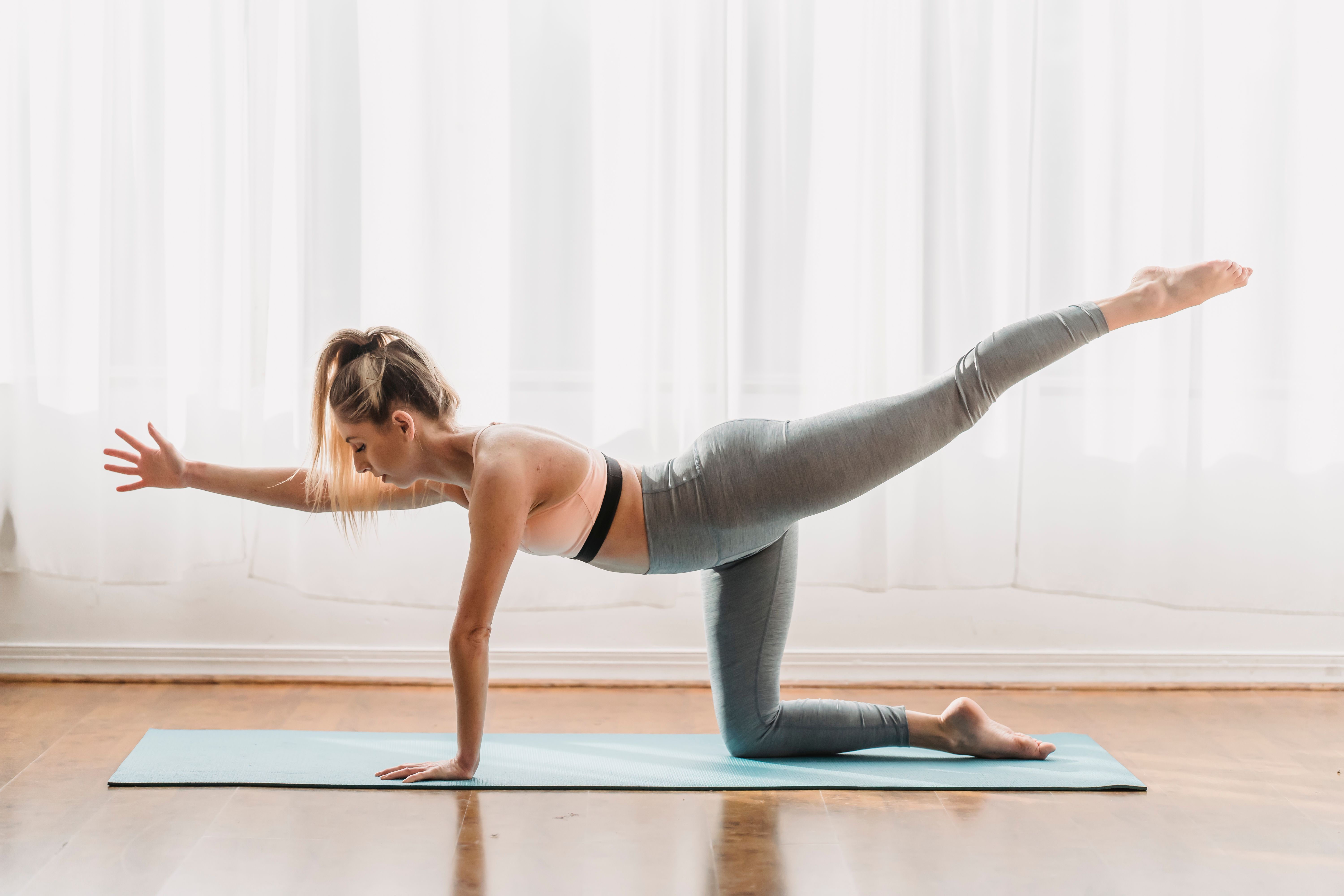
How To Boost Core Strength With Easy At-Home Pilates Moves
Strengthening your midsection brings noticeable improvements to your everyday comfort and mobility. Basic exercises performed at home offer valuable benefits, all...
Jul 15, 2026



Strong muscles support every move you make, from carrying groceries to reaching for a high shelf. Functional fitness focuses on exercises that mirror the everyday actions your body performs. By training muscle groups to coordinate as they do in real life, you can lift, bend, and move with greater ease and less risk of injury. Instead of logging hours on the treadmill, you develop practical power and stability that enhances your confidence in daily activities. Once you try even a few basic routines, you notice how much easier common tasks become, making each day feel a little lighter and more manageable.
This approach anchors workouts in real life. Instead of isolated muscle work, you connect motion patterns. The payoff arrives in better posture, fewer aches and smoother mornings. Let’s dive into how to weave these moves into your routine.
Functional fitness combines strength, balance and mobility in natural movement patterns. It draws on actions like squatting to pick up a bag, twisting to reach a shelf or pushing a door open. You train multiple muscle groups at once instead of isolating a single muscle.
These workouts use bodyweight, free weights or tools such as kettlebells and *TRX* straps. You focus on quality of movement over heavy loads. This method builds muscle coordination and joint stability for daily tasks.
Everyday chores become easier when you develop functional strength. Carrying groceries, lifting a child, or gardening demands coordinated muscle work. By training those exact patterns, you reduce injury risk and boost endurance.
Better balance helps you navigate slippery sidewalks or uneven ground. You stand taller and walk with more confidence. Improved posture relieves back and neck tension, leading to longer periods of comfort at work or home.
Start with exercises that mimic daily moves. Focus on steady form and controlled breathing. Begin each session with a light warm-up to prime muscles and joints.
Create a plan that fits your schedule and skill level. Aim for two to three functional sessions each week. Alternate strength exercises with light cardio or flexibility work to keep your routine well-rounded.
Start each workout with mobility moves like arm circles and hip openers. Then cycle through three to five exercises in a circuit style. Rest for 30 to 60 seconds between sets to keep the intensity high.
Track your progress by noting weights, reps and any pain points. Adjust the load or range of motion if you hit a plateau. As you get stronger, add new variations like single-leg squats or plyometric lunges.
Developing a lasting habit begins with making workouts simple and rewarding. Pick a specific time each week you can stick to. Mark each session on your calendar to see your progress grow.
Functional fitness helps turn chores into strength-building activities. With consistent effort and basic equipment, you will move more smoothly and experience less strain. Keep it simple and stay committed to make daily tasks easier.
Strengthening your midsection brings noticeable improvements to your everyday comfort and mobility. Basic exercises performed at home offer valuable benefits, all...
Jul 15, 2026

Small changes in daily routines can make a big difference for long-term wellness. With helpful direction, anyone can build habits that support healthy aging. This group...
Apr 18, 2026

Building the drive to complete a challenging workout demands more than determination alone. A well-structured plan, engaging new activities, and consistent routines...
Jun 10, 2026
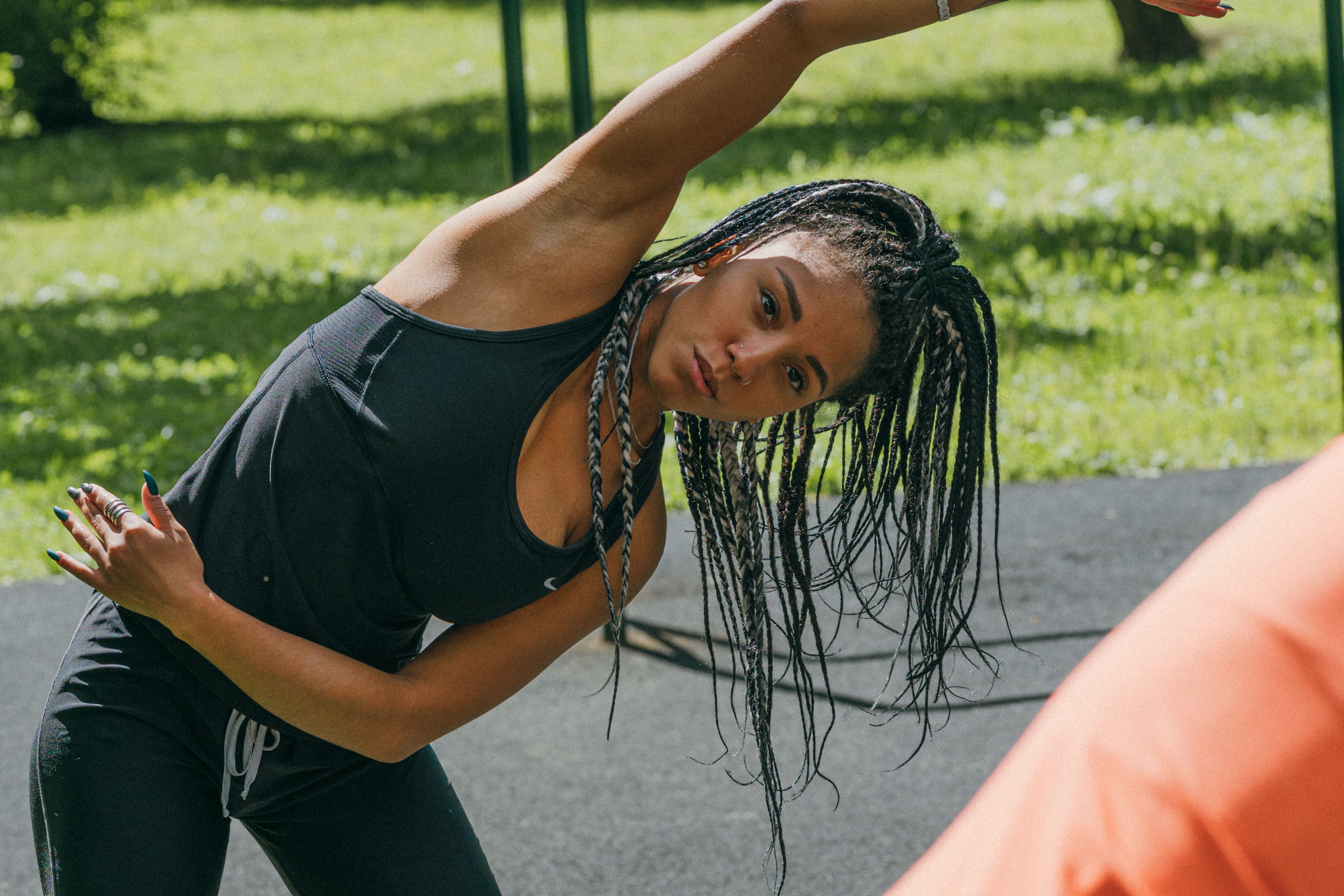
Breathing in fresh air can lift your energy and sharpen your focus, especially when you take your workouts outside. Training beneath the sky helps you discover new...
Jul 21, 2026
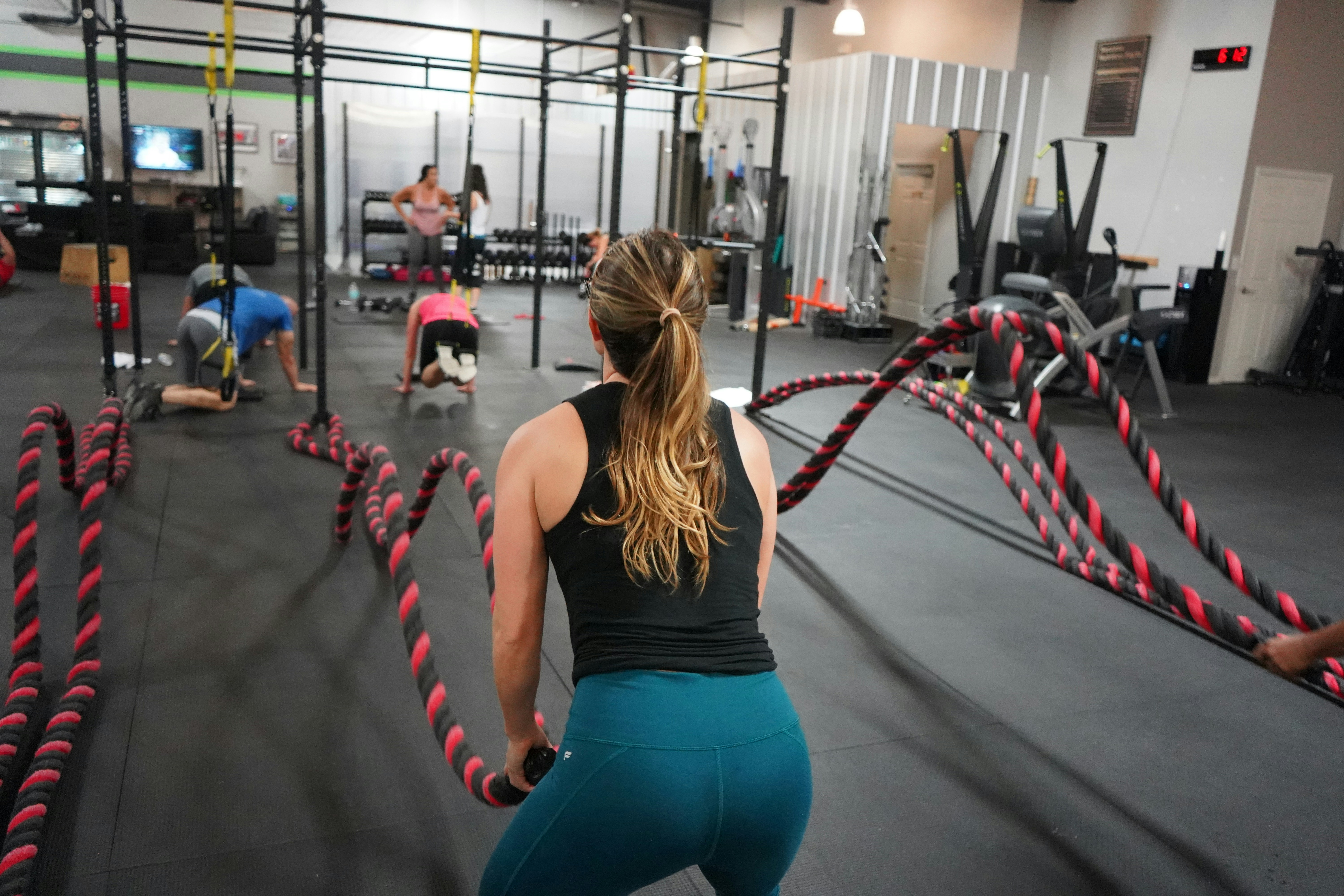
Many people find renewed motivation and progress when they join fitness retreats and bootcamps. These experiences offer structured workouts, balanced meals, and...
Apr 29, 2026
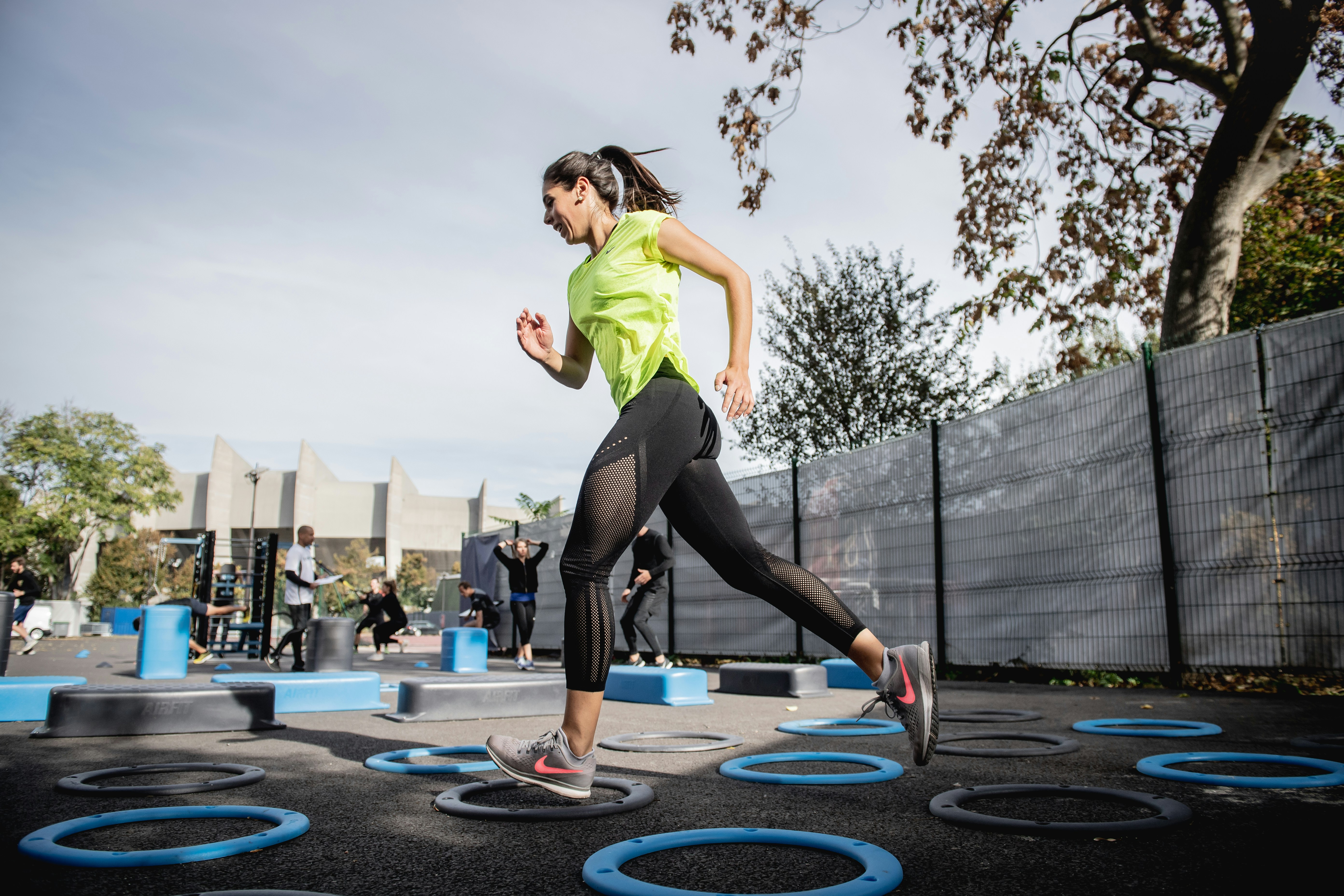
Busy schedules often make it challenging to fit in a good cardio workout. Long workdays filled with meetings and personal commitments can leave you feeling drained and...
Jul 10, 2026

Giving your body the right nutrients before and after exercise helps you get more out of every workout. When you pay attention to what you eat before physical activity,...
Jun 02, 2026

Daily responsibilities often build up, leaving you feeling overwhelmed or tired before the day has truly begun. Early mornings sometimes bring more fatigue than rest,...
May 09, 2026

Many people struggle to find a healthy balance when it comes to time spent on devices. Constant scrolling can quickly sap your energy and focus, yet avoiding screens...
Jun 24, 2026

Every cell in your body depends on water to function at its best, making hydration essential for maintaining steady energy, clear focus, and good health. Drinking enough...
Jun 28, 2026

Many people wake up feeling tired or find their thoughts racing, even after spending a full night in bed. Achieving truly restful sleep takes more than just logging...
Jun 15, 2026

Creating a living space that feels comforting and environmentally conscious begins with thoughtful decisions about your surroundings. By paying attention to elements...
Jun 21, 2026

Many people find themselves reaching for their phones to browse social media after a busy day, intending only to spend a few minutes online. Before they know it, half an...
Jul 05, 2026

Reducing sugar doesn’t require giving up sweet treats altogether. You can satisfy your cravings with snacks that taste great while keeping added sugars to a minimum. By...
Jul 24, 2026