How to Stay Motivated With Fitness Challenges That Actually Work
Jun 10, 2026



Many people find renewed motivation and progress when they join fitness retreats and bootcamps. These experiences offer structured workouts, balanced meals, and encouragement from a community of like-minded individuals, all designed to strengthen dedication to health and wellness goals. Retreats typically unfold over several days in peaceful, inspiring locations away from everyday distractions, while bootcamps provide high-energy training sessions in more local settings. Both approaches help participants monitor their achievements by tracking exercise routines, body measurements, and key milestones along the way. This guide introduces some of the most notable programs, compares how they operate, and offers tips to help you choose and prepare for your next fitness journey.
Whether someone craves a mountain escape or a high-energy gym environment, they find tools to boost motivation and results. We explore top-rated retreats that blend fitness with relaxation, then examine bootcamps that maximize daily calorie burn. A clear comparison of cost, intensity, and schedule helps with decision-making. Finally, practical checklists and best practices ensure smooth planning and lasting success.
*Rancho La Puerta* is located in Baja California’s foothills, combining hiking, yoga, and nutrition workshops. Guests start each morning with guided hikes through canyons and finish with farm-to-table meals. Instructors provide daily assessments and adjustments to keep workouts challenging yet safe.
At *SHA Wellness Clinic* in Spain, specialists design personalized programs based on blood tests and health profiles. Participants relax in Mediterranean gardens after sessions that combine aquatic therapy, Pilates, and nutritional counseling. This data-driven approach increases accountability and makes each visit feel tailored.
*Barry’s Bootcamp* offers a fast-paced mix of treadmill intervals and strength circuits in a nightclub-like setting. Instructors track reps and pace on screens, motivating attendees to beat personal bests. Classes last 50 minutes, allowing busy adults to fit a powerful session into lunch breaks or evenings.
*Camp Gladiator* operates outdoors across parks nationwide, offering 60-minute workouts led by certified coaches. Teams tackle cardio, resistance bands, and bodyweight drills in small groups. This peer-driven environment encourages participants to stay consistent and cheer each other on.
Show up with a clear mindset and embrace daily check-ins. Recording energy levels and mood helps recognize patterns in performance. Trainers often modify workouts when they observe trends, so honesty leads to better results. A quick evening journal entry can reveal if soreness comes from volume or form issues.
Fuel progress by preparing simple meals ahead of arrival or stocking local grocery options. Focus on lean proteins, whole grains, and colorful produce for steady energy. Carry high-protein snacks like nuts or jerky to bridge gaps between structured meals. Staying hydrated and limiting alcohol improves workout quality and recovery.
Use rest periods strategically. Foam rolling or light yoga between sessions prevents stiffness and enhances mobility. Short stretching sequences every evening maintain range of motion and reduce injury risk. Recovery is an integral part of the program, not an afterthought.
Rely on the community for extra motivation. Pair up for hikes or partner workouts to stay accountable. Exchanging contact info after sessions encourages follow-up challenges and group chats for sharing progress photos. A buddy system increases commitment beyond the last day.
Track results with photos and simple measurements like waist circumference or plank hold time. Comparing data from the start and end provides clear proof of improvement. Share those numbers with the coaching team for tips on maintaining momentum after the program ends.
Finally, develop a follow-up plan. Find local classes or trails that mirror retreat activities and schedule two weekly sessions after completing the program. Revisit meal templates and meal prep methods within the first month back home. Regular check-ins with a fitness buddy help keep the habit alive and turn short-term gains into lasting lifestyle changes.
Choose retreats and bootcamps carefully, focusing on clear goals and proper preparation. With commitment and support, you can develop healthier habits and see real progress quickly.
Experts gather in a vibrant setting filled with fresh insights on healthy aging. Each workshop unpacks fascinating scientific questions, offering practical habits anyone...
Aug 05, 2026
Staying active after demanding workouts becomes much easier when you take steps to reduce muscle soreness. A well-planned recovery routine can help you avoid aches and...
Aug 22, 2026

Many people find themselves reaching for their phones to browse social media after a busy day, intending only to spend a few minutes online. Before they know it, half an...
Jul 05, 2026

Building good health starts with learning to read, question, and use information about what you eat, how you move, and the care you receive. Strong health literacy means...
Aug 12, 2026

Moving through water creates a dynamic workout that engages muscles from all directions. Every stroke and step meets gentle resistance, encouraging the entire body to...
Jun 06, 2026
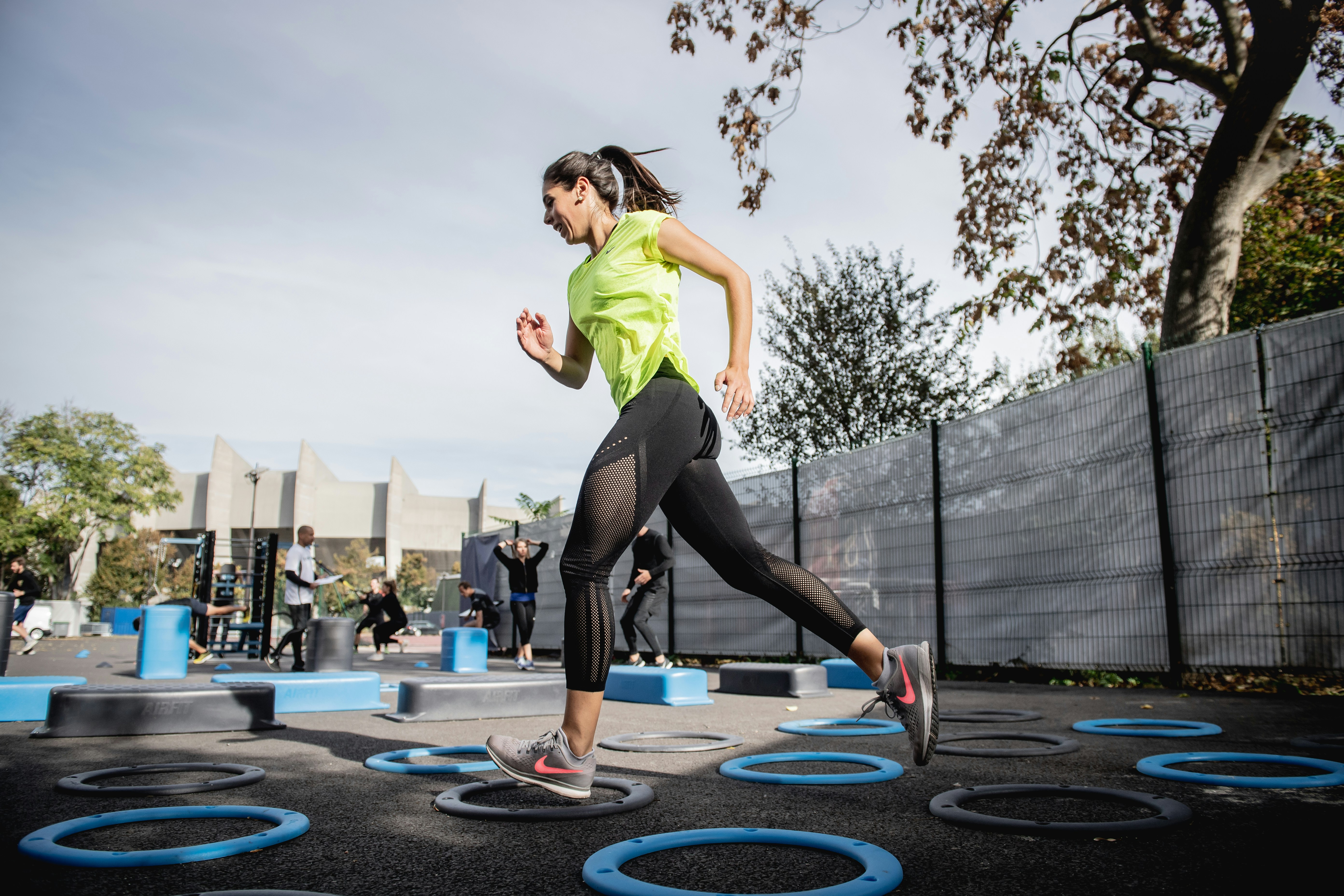
Busy schedules often make it challenging to fit in a good cardio workout. Long workdays filled with meetings and personal commitments can leave you feeling drained and...
Jul 10, 2026

Many people struggle to find a healthy balance when it comes to time spent on devices. Constant scrolling can quickly sap your energy and focus, yet avoiding screens...
Jun 24, 2026

Making changes to reduce sugar often seems challenging, yet every small adjustment makes a difference over time. You can still enjoy delicious foods and satisfying...
May 19, 2026

Long hours at a desk often leave you feeling tired and sluggish, while your circulation takes a hit from staying still. Simple movements right at your workstation can...
Aug 26, 2026
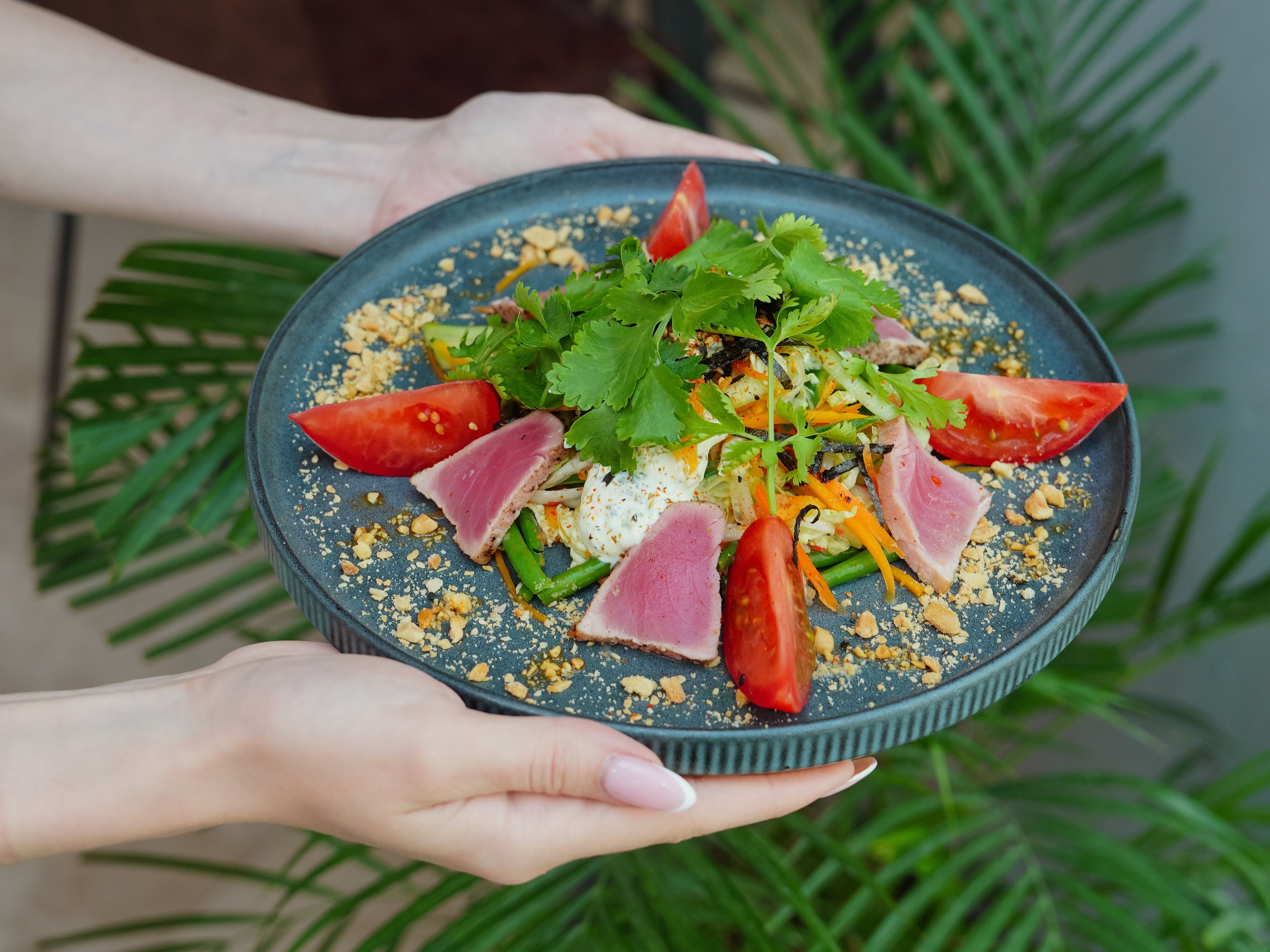
Enrolling in a cooking class brings a fresh twist to your daily meals while building your confidence in the kitchen. You learn to replace rich, heavy sauces with vibrant...
May 23, 2026
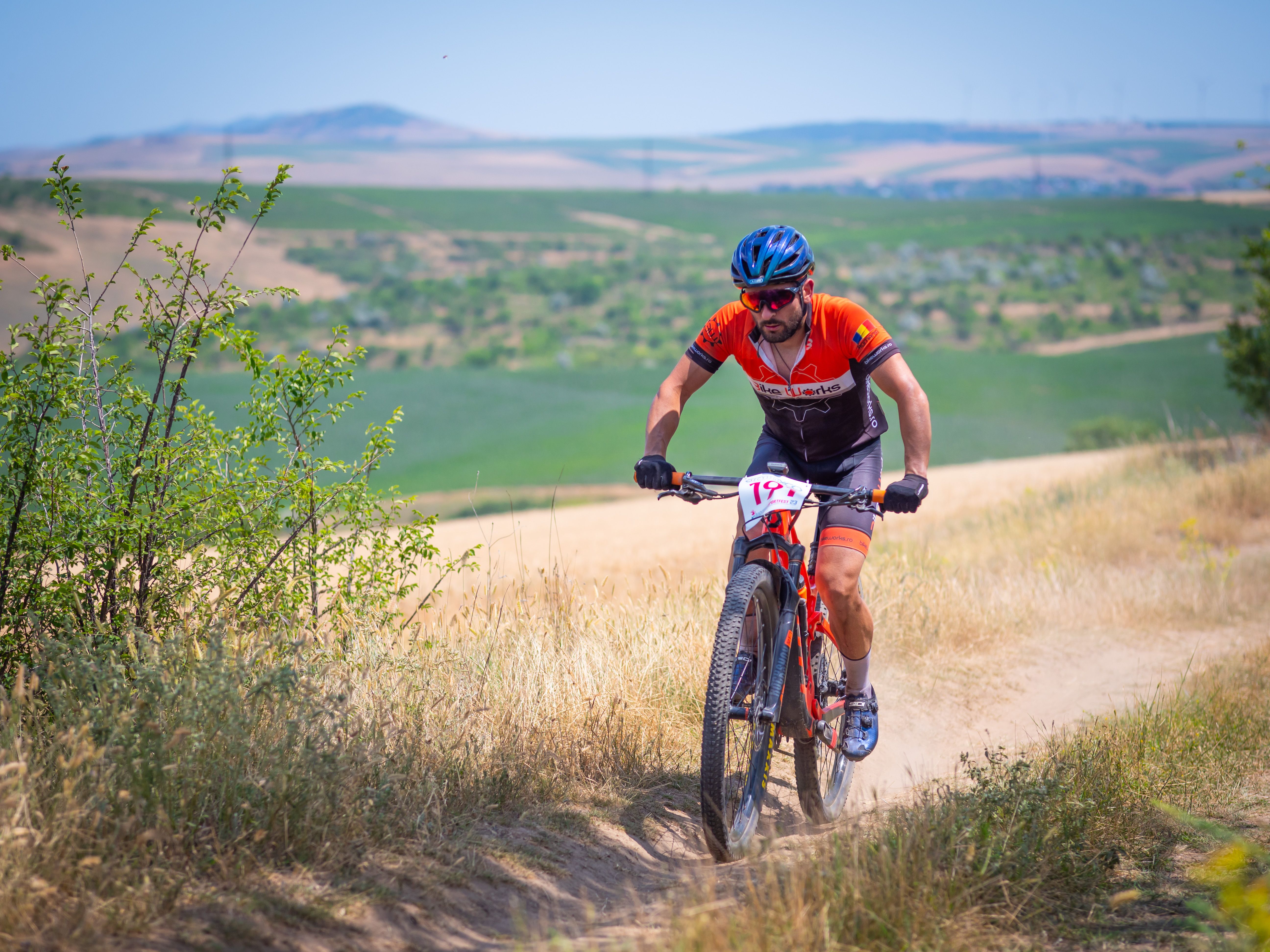
Riding a bike builds cardiovascular strength and challenges your stamina in exciting ways. You might find yourself racing down neighborhood paths or working up a sweat...
Aug 19, 2026

Many people wake up feeling tired or find their thoughts racing, even after spending a full night in bed. Achieving truly restful sleep takes more than just logging...
Jun 15, 2026

Every cell in your body depends on water to function at its best, making hydration essential for maintaining steady energy, clear focus, and good health. Drinking enough...
Jun 28, 2026

Reducing sugar doesn’t require giving up sweet treats altogether. You can satisfy your cravings with snacks that taste great while keeping added sugars to a minimum. By...
Jul 24, 2026