
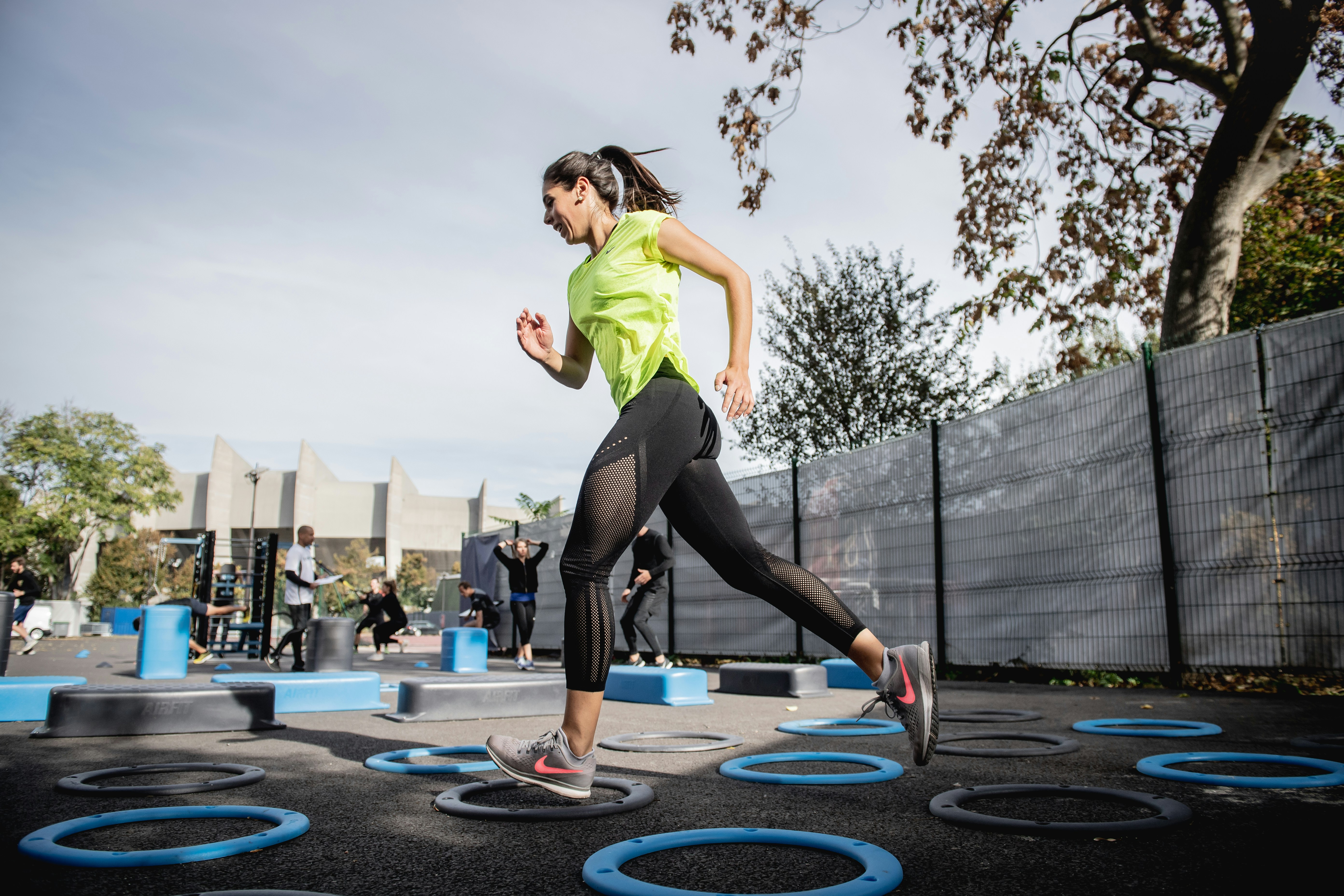
5 Clever Ways To Fit Cardio Into The Hectic Workweek
Busy schedules often make it challenging to fit in a good cardio workout. Long workdays filled with meetings and personal commitments can leave you feeling drained and...
Jul 10, 2026



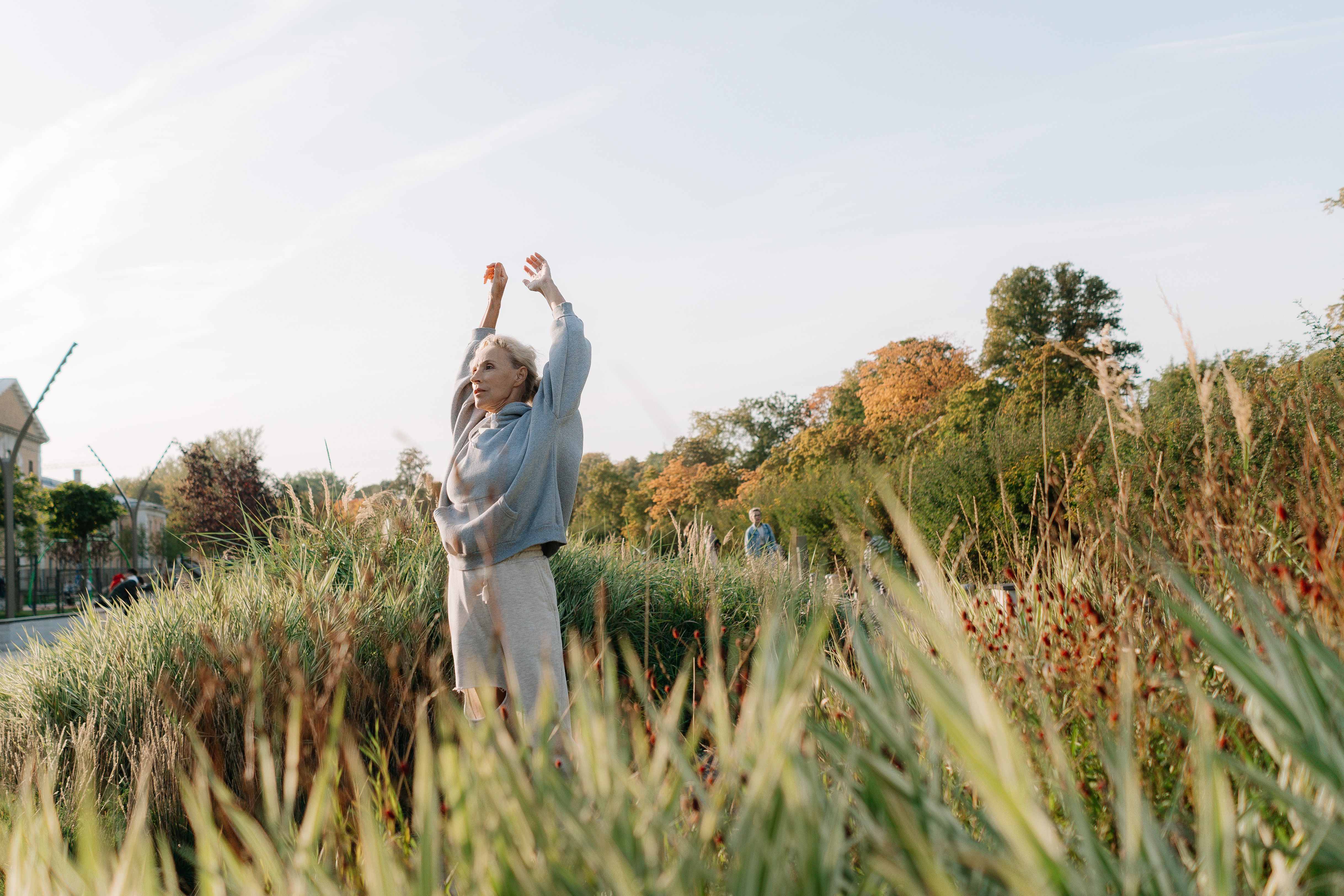
Steady movement and sure footing create opportunities for more active and enjoyable days. Practicing a few straightforward exercises helps improve balance, encourages muscle strength, and increases flexibility in your joints. No expensive tools or special memberships are required; just use a sturdy chair, a nearby wall, and supportive shoes to get started. Each new movement can help you gain better control over your body, making simple activities like walking, standing, or reaching feel more comfortable. As you continue, you may notice how much easier daily routines become, leading to greater comfort and confidence in every step you take.
Balance means you control your body’s position, whether you stand still or move. Good balance prevents falls and allows you to shift your weight smoothly. Mobility shows how freely joints move through their full range. Improving both makes walking, climbing stairs, and carrying groceries less tiring.
When muscles around ankles, hips, and core work together, they support graceful motion. Age, injury, or long hours of sitting can weaken those connections. By focusing on targeted drills, you strengthen stabilizer muscles and retrain your nervous system to react faster. The result is greater confidence on one foot and more fluid turns.
Warming up prepares your muscles and joints for the workout ahead. Start each session with just five minutes of dynamic movement. This improves blood flow and reduces the chance of strains.
Begin with ankle circles. Stand tall and lift one foot off the ground. Rotate your foot clockwise for ten counts, then counterclockwise. Switch feet and repeat. Next, raise your arms overhead and swing them gently side to side while twisting your torso. Finish with gentle knee lifts, marching in place for thirty seconds.
Activating your core creates a stable foundation for balance. These moves engage abs, lower back, and glutes. Perform each exercise in sequence, resting thirty seconds between sets.
Do two rounds of this sequence three times a week. Gradually increase hold times and step counts as you become more confident.
Flexible muscles and joints adapt to varied movements more easily. Incorporate these stretches after your workout or any time you feel stiff.
Gentle breathing helps muscles relax. Breathe in through your nose, then exhale as you deepen each stretch.
Consistent practice turns exercise into a habit. Design a short daily plan that fits your schedule. Even ten minutes every morning can bring noticeable improvements within weeks.
Start by choosing three moves: one balance drill, one core exercise, and one stretch. For example, do the single-leg stand, a plank with leg lift, and a calf stretch. Perform each for the suggested time or repetitions. Record the date and note how it feels.
Gradually add new exercises from earlier sections. You might include heel-to-toe walks and the hip flexor stretch by week two. Adjust the sequence to keep things interesting and maintain steady progress.
Seeing your progress motivates you. Keep a simple log in a notebook or smartphone. Record the date, exercises, repetitions, and any sensations like increased steadiness or less tightness in your hips.
Use a basic pedometer or an *Apple Watch* if you own one. Step counts, stand reminders, and activity minutes give you visual feedback. Aim to increase your single-leg hold time by five seconds each week or add two repetitions per set.
Listen to music or a podcast for variety. Invite a friend or family member to join your routine. Sharing your routine provides accountability and makes the sessions more enjoyable.
Consistent practice makes your feet more stable on uneven ground and improves your movement through doorways. Celebrate small achievements, such as holding a balance drill longer or touching your toes, and keep progressing.
Busy schedules often make it challenging to fit in a good cardio workout. Long workdays filled with meetings and personal commitments can leave you feeling drained and...
Jul 10, 2026

Building strength and improving fitness can happen anywhere with just a loop band and thoughtful exercise selection. With these five exercises, you work major muscle...
Apr 22, 2026
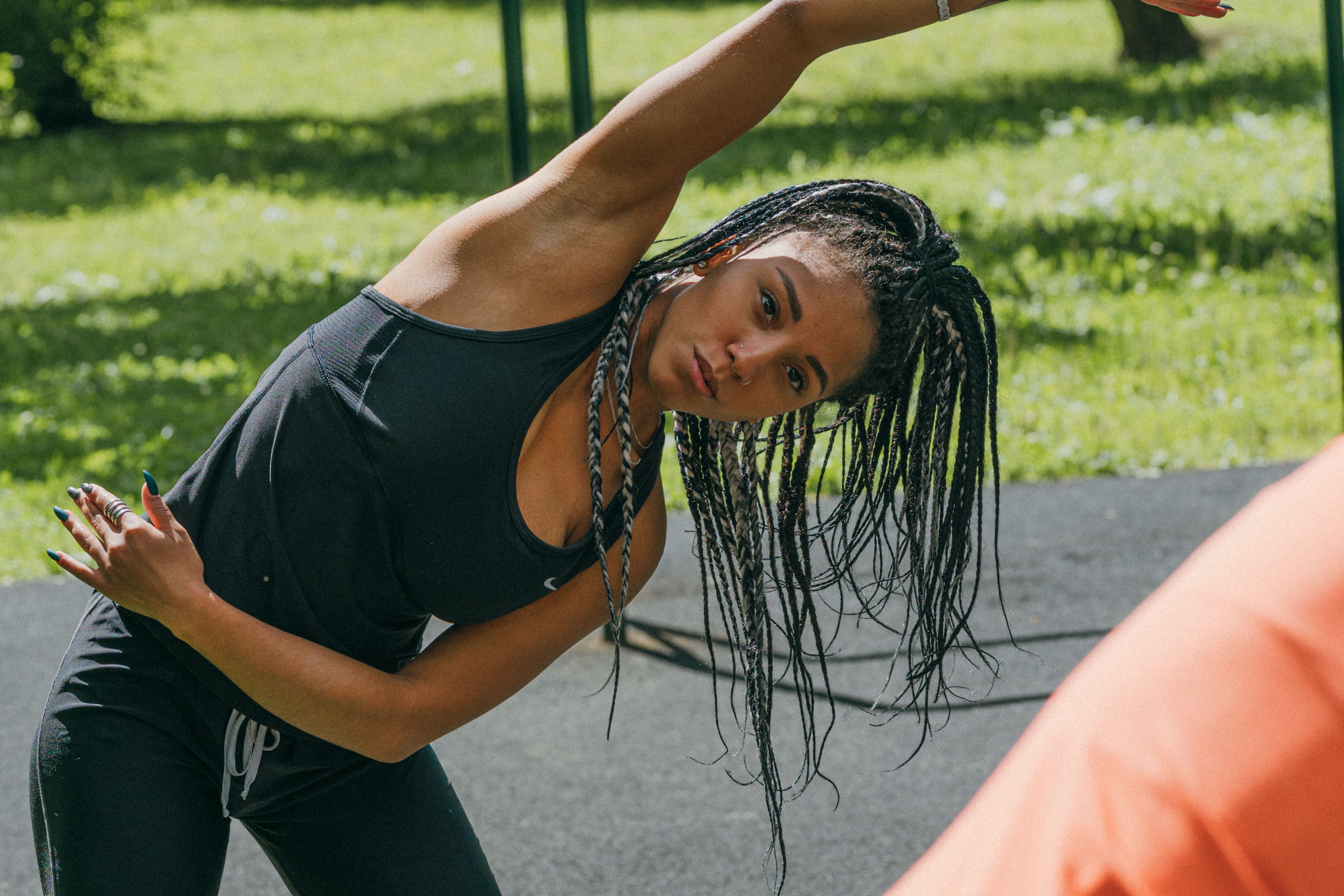
Breathing in fresh air can lift your energy and sharpen your focus, especially when you take your workouts outside. Training beneath the sky helps you discover new...
Jul 21, 2026
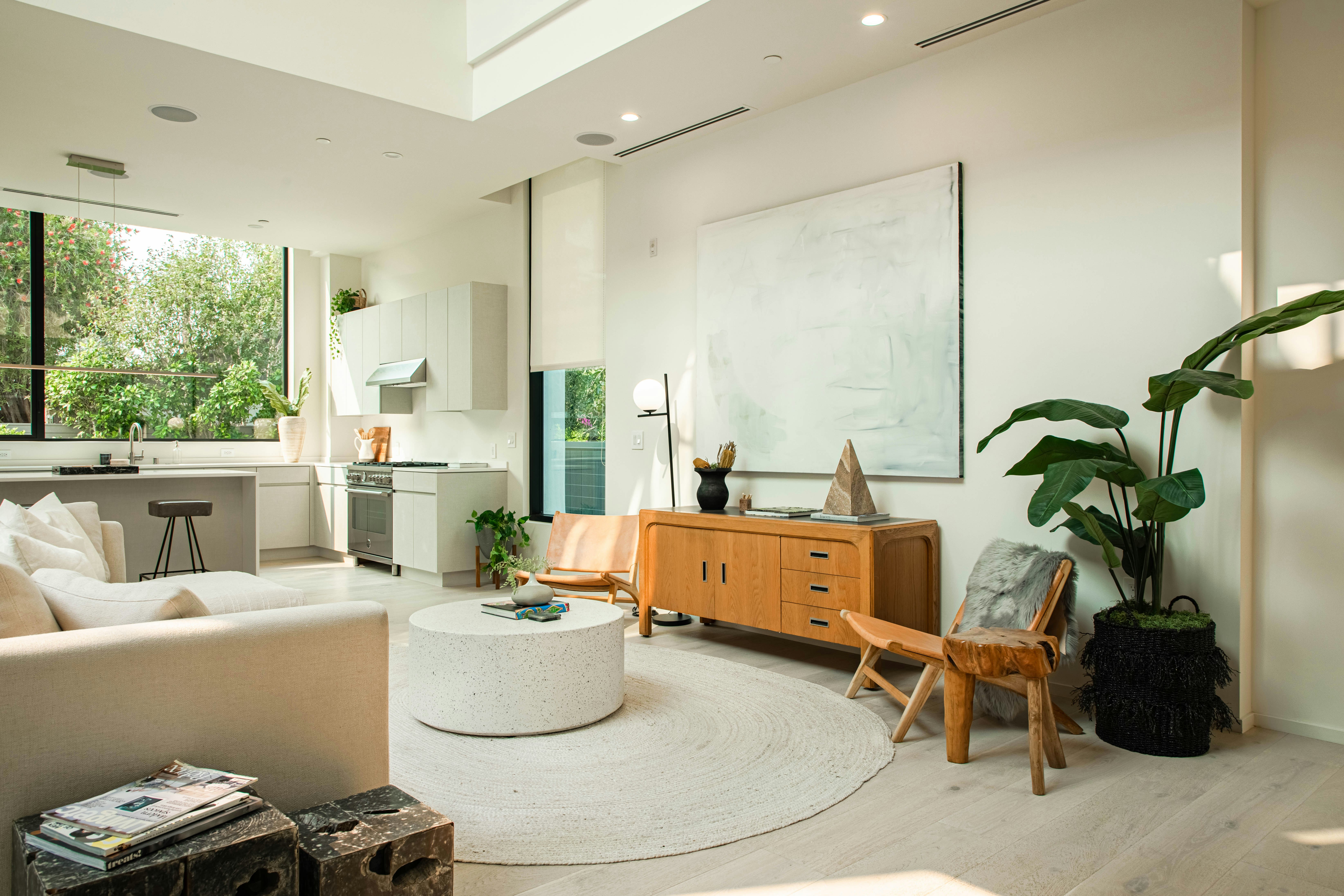
Creating a living space that feels comforting and environmentally conscious begins with thoughtful decisions about your surroundings. By paying attention to elements...
Jun 21, 2026
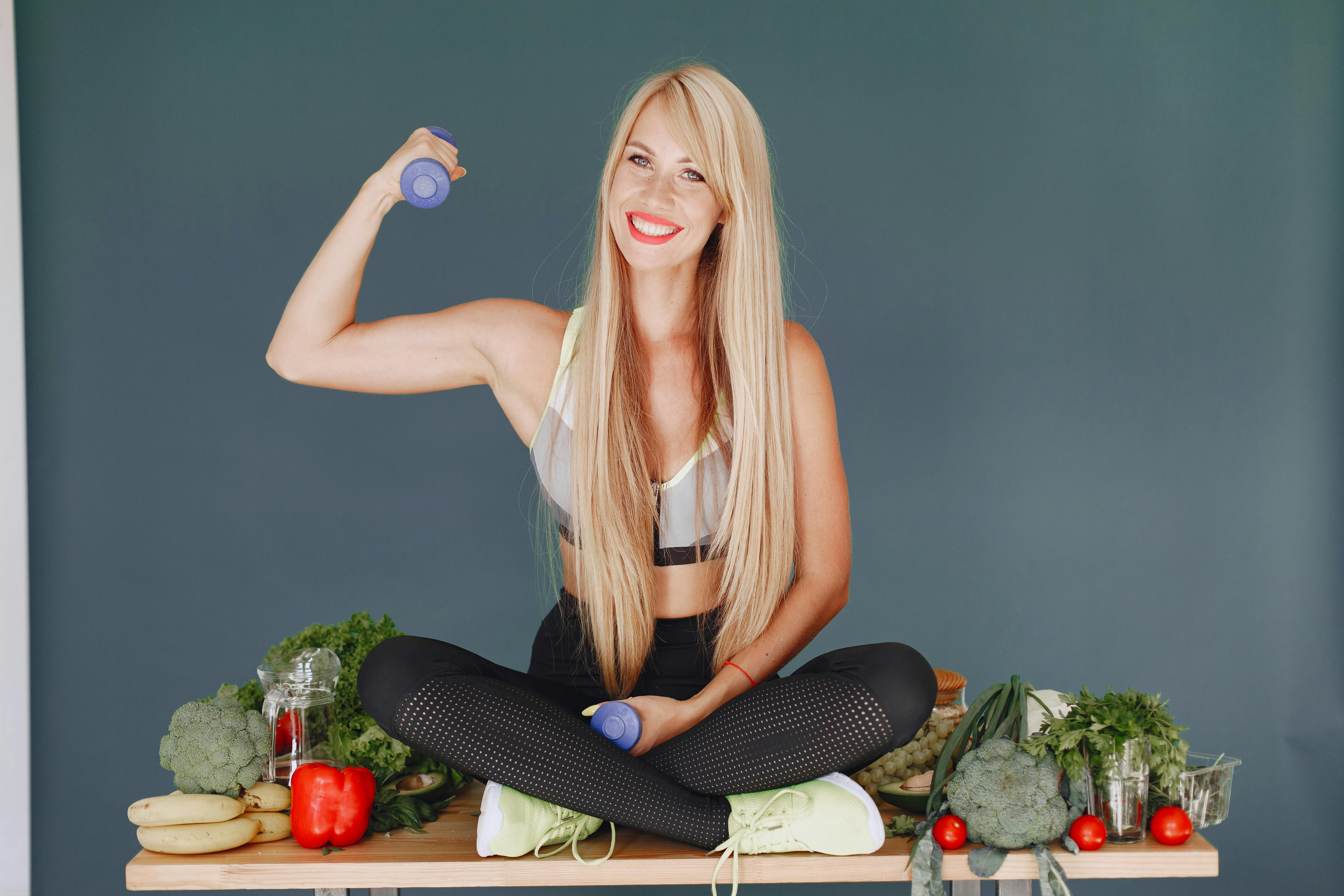
Giving your body the right nutrients before and after exercise helps you get more out of every workout. When you pay attention to what you eat before physical activity,...
Jun 02, 2026

Many people struggle to find a healthy balance when it comes to time spent on devices. Constant scrolling can quickly sap your energy and focus, yet avoiding screens...
Jun 24, 2026

Every cell in your body depends on water to function at its best, making hydration essential for maintaining steady energy, clear focus, and good health. Drinking enough...
Jun 28, 2026
Experts gather in a vibrant setting filled with fresh insights on healthy aging. Each workshop unpacks fascinating scientific questions, offering practical habits anyone...
Aug 05, 2026

Small changes in daily routines can make a big difference for long-term wellness. With helpful direction, anyone can build habits that support healthy aging. This group...
Apr 18, 2026

Building good health starts with learning to read, question, and use information about what you eat, how you move, and the care you receive. Strong health literacy means...
Aug 12, 2026

Many packaged foods contain large amounts of sugar, sodium, and refined grains that can sneak into your daily meals. By making simple ingredient swaps at home, you can...
May 02, 2026

Building the drive to complete a challenging workout demands more than determination alone. A well-structured plan, engaging new activities, and consistent routines...
Jun 10, 2026

Daily responsibilities often build up, leaving you feeling overwhelmed or tired before the day has truly begun. Early mornings sometimes bring more fatigue than rest,...
May 09, 2026

Fresh fruits and vegetables add both taste and nutrition to every meal you prepare. Selecting seasonal produce often means spending less at the market while supporting...
Jul 29, 2026