The Best Strategies For Limiting Sugar In Everyday Meals
Aug 30, 2026



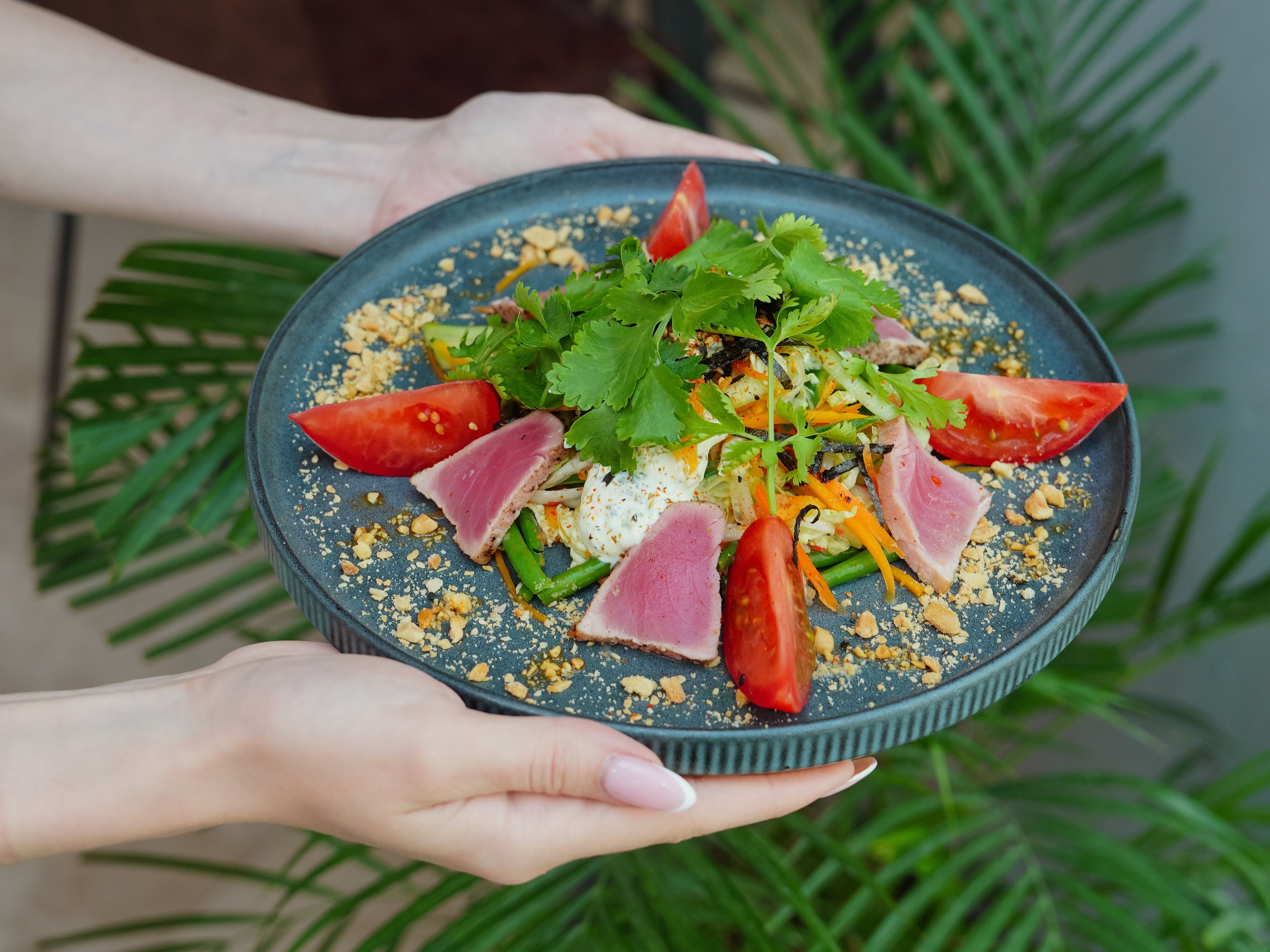
Many packaged foods contain large amounts of sugar, sodium, and refined grains that can sneak into your daily meals. By making simple ingredient swaps at home, you can cut down on unnecessary additives while bringing out the natural flavors of your dishes. Adjusting what you keep in your pantry and refrigerator allows you to prepare healthier meals with everyday items. You do not need special appliances or rare ingredients to notice the difference these small changes make. Cooking with straightforward, wholesome foods helps you enjoy meals that taste better and align more closely with your health goals.
Following simple swaps helps you manage weight, maintain energy, and reduce cravings. By choosing whole foods over ultra-processed mixes, you gain more nutrients and clearer taste. These seven swaps streamline cooking and make homemade dishes stand out.
Refined grains like white rice and pasta strip away fiber and nutrients during milling. Switching to whole grains restores vitamins, minerals, and a satisfying texture. For example, brown rice contains more magnesium and B vitamins, while farro boosts your fiber intake.
Start by replacing half your white rice with brown rice, then gradually shift to 100 percent. Swap regular pasta with whole-wheat or chickpea pasta. These options cook in about the same time and bring a nutty flavor that pairs well with tomato sauce, olive oil, or stir-fried veggies.
Processed granulated sugar spikes blood sugar quickly and offers little else. Instead, try maple syrup, honey, or date paste to sweeten recipes. These natural sweeteners carry antioxidants, minerals, and a richer taste profile.
Use honey in salad dressings or marinades to add a tangy-sweet balance. Stir maple syrup into oatmeal or yogurt for a subtle caramel note. If you bake, blend pitted dates with a splash of water to form date paste. Replace half the sugar in recipes to start, then adjust to taste.
Bottled sauces and dressings hide sugar, preservatives, and excess salt. Making your own lets you control every ingredient. Follow these quick recipes to brighten salads, bowls, and protein dishes.
All these dressings last up to five days in a sealed container. Use them on grilled veggies, salads, or rice bowls for an instant flavor lift without hidden additives.
Pre-mixed salt blends and seasoning packets often add sodium and artificial flavors. Fresh herbs deliver bright taste and bring beneficial compounds like antioxidants and essential oils. Parsley, basil, cilantro, and mint each add distinct layers of flavor.
When a recipe calls for a teaspoon of mixed seasoning, chop a tablespoon of fresh herbs instead. Sprinkle chopped herbs at the end of cooking to preserve aroma. Try fresh basil on tomato dishes or mint in grain bowls and salads. You’ll notice each bite feels lighter and more vibrant.
Building routines around these tips makes whole-food cooking feel effortless. Consistency ensures that these swaps become the new norm, not one-off experiments.
One common issue occurs when a homemade swap lacks the exact flavor of the processed version. If your first batch of dressing tastes flat, tweak the acid-to-oil ratio or add a pinch of chili flakes. Keep tasting and adjusting until it matches your preference.
Another challenge comes from ingredient cost. Organic or specialty items can feel pricey. Counter this by buying in bulk, shopping local markets, or growing herbs in small containers on your windowsill. Over time, the health benefits and savings from fewer pre-made products outweigh extra costs.
Make simple swaps to improve your meals and health. Try these changes this week and enjoy fresher-tasting dishes.
Fresh fruits and vegetables add both taste and nutrition to every meal you prepare. Selecting seasonal produce often means spending less at the market while supporting...
Jul 29, 2026
Making changes to reduce sugar often seems challenging, yet every small adjustment makes a difference over time. You can still enjoy delicious foods and satisfying...
May 19, 2026
Giving your body the right nutrients before and after exercise helps you get more out of every workout. When you pay attention to what you eat before physical activity,...
Jun 02, 2026

Lisa reached for her favorite snack and hesitated. The bright packaging caught her eye, but reading the label on the back made her reconsider. That small decision marked...
Aug 09, 2026

Building good health starts with learning to read, question, and use information about what you eat, how you move, and the care you receive. Strong health literacy means...
Aug 12, 2026

Creating a living space that feels comforting and environmentally conscious begins with thoughtful decisions about your surroundings. By paying attention to elements...
Jun 21, 2026

Close friendships bring more joy and better health into your life. Support, encouragement, and laughter flow naturally when you spend time with people who genuinely...
Aug 02, 2026
Clean, fresh air at home shapes your comfort and well-being each day. Everyday activities like cooking, caring for pets, or simply moving about can fill the air with...
May 07, 2026
Every cell in your body depends on water to function at its best, making hydration essential for maintaining steady energy, clear focus, and good health. Drinking enough...
Jun 28, 2026

Experts gather in a vibrant setting filled with fresh insights on healthy aging. Each workshop unpacks fascinating scientific questions, offering practical habits anyone...
Aug 05, 2026

Staying active after demanding workouts becomes much easier when you take steps to reduce muscle soreness. A well-planned recovery routine can help you avoid aches and...
Aug 22, 2026

Decoding the contents of a cookie package or a bottle of salad dressing can seem confusing at first glance. Nutrition labels often present a maze of figures, unfamiliar...
May 12, 2026

Many people find themselves reaching for their phones to browse social media after a busy day, intending only to spend a few minutes online. Before they know it, half an...
Jul 05, 2026

Each sip of water and every breath brings more than just essential elements into your body; hidden chemicals may also find their way in. These invisible substances move...
Jul 01, 2026