
How to Decode the Impact of Environmental Toxins on Long-Term Wellness
Jul 01, 2026



Clean, fresh air at home shapes your comfort and well-being each day. Everyday activities like cooking, caring for pets, or simply moving about can fill the air with dust, dander, and lingering smells that often go unnoticed. Small changes around the house can give you fresher air and a healthier atmosphere. By making a few practical adjustments and sticking with them, you can improve the air quality in your living space over time. This guide offers straightforward tips that fit easily into any daily routine, helping you maintain a cleaner environment without extra hassle.
We’ll discuss common pollutants, daily cleaning routines, natural purifiers, inexpensive ventilation tricks, and budget-friendly filters. Each tip depends on accessible tools and minimal expense. You’ll discover how a few plants on a windowsill or a quick change to your cleaning order can reduce allergens. Let’s explore the details and see how you can breathe easier today.
These pollutants circulate in homes and often go unnoticed, causing symptoms like headaches, sneezing, or fatigue. Recognizing them helps you target the main offenders first.
Data from the Environmental Protection Agency shows that indoor air can be two to five times more polluted than outdoor air. Identifying these pollutants helps you target cleanup and prevention efforts effectively.
Small changes in your cleaning routine produce consistent results. Begin by focusing on high-traffic zones and areas prone to dust accumulation.
These steps only take a few minutes each day but lead to noticeable reductions in dust, dander, and surface grime. Staying consistent proves more effective than occasional deep cleans.
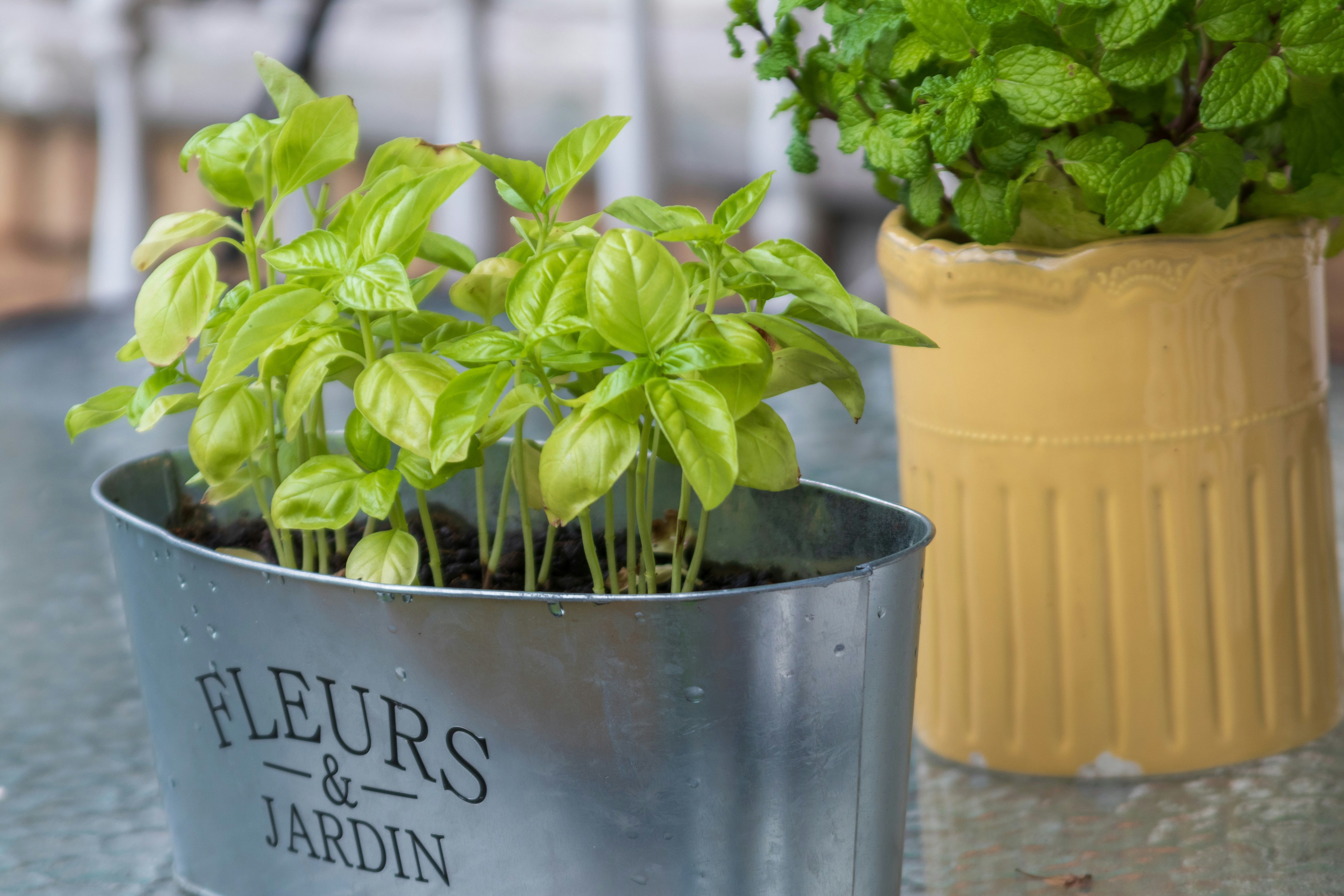
Plants do more than simply decorate a room; they absorb certain toxins and help regulate humidity. Choose varieties that grow well indoors without constant attention.
Beyond plants, activated charcoal bags and salt lamps help absorb odors and moisture. Place a small charcoal pouch in kitchen cabinets or shoe racks to neutralize lingering smells. Use a salt lamp near entryways to draw in dampness that encourages mold growth.
Air exchange remains central to any effective cleanup plan. You don’t need a full house remodel to improve airflow.
Open windows at opposite ends of a room to create cross-ventilation. Even a five-minute window after cooking eggs or using cleaning sprays helps push stale air out. During winter, choose early afternoon when temperatures rise, and open windows for two to three minutes. This quick refresh costs little heat.
Set up a DIY window fan by mounting an inexpensive box fan in one window, configured to exhaust. In warmer months, reverse the fan and run it on high during cooler evenings to draw fresh air inside. In bathrooms, upgrade your exhaust fan’s grill with a finer mesh filter to trap dust and hair.
Keeping track of air quality alerts you to spikes caused by cooking or pollen-heavy days. Small monitors can display PM2.5 and VOC levels in real time.
Pick a monitor under $100 from brands like Temtop or Airthings. Place it in living areas rather than closets or behind curtains to get accurate readings. When levels rise above 35 µg/m3 for PM2.5, activate a portable air purifier.
Inexpensive purifiers with true HEPA filters can remove up to 99.97% of particles as small as 0.3 microns. Models like the Levoit Core 300 cover rooms up to 215 square feet for less than $100. Use two units in larger spaces, placing them at opposite ends, to quickly create a clean-air zone.
Combine daily habits with smart tools to reduce allergy symptoms and improve air quality. Small, consistent changes create lasting benefits.
Fresh herbs and greens grown at home add both flavor and nutrition to your meals. With just a bit of space on a windowsill or patio, you can pick ingredients straight...
Sep 04, 2026

Breathing in fresh air can lift your energy and sharpen your focus, especially when you take your workouts outside. Training beneath the sky helps you discover new...
Jul 21, 2026

Enrolling in a cooking class brings a fresh twist to your daily meals while building your confidence in the kitchen. You learn to replace rich, heavy sauces with vibrant...
May 23, 2026

Fresh fruits and vegetables add both taste and nutrition to every meal you prepare. Selecting seasonal produce often means spending less at the market while supporting...
Jul 29, 2026

Close friendships bring more joy and better health into your life. Support, encouragement, and laughter flow naturally when you spend time with people who genuinely...
Aug 02, 2026

Many people wake up feeling tired or find their thoughts racing, even after spending a full night in bed. Achieving truly restful sleep takes more than just logging...
Jun 15, 2026

Reducing sugar in daily meals makes it easier to concentrate, feel more energetic, and maintain a healthy weight. No one needs to spend extra money or search for rare...
Aug 30, 2026

Building good health starts with learning to read, question, and use information about what you eat, how you move, and the care you receive. Strong health literacy means...
Aug 12, 2026

Many people find themselves reaching for their phones to browse social media after a busy day, intending only to spend a few minutes online. Before they know it, half an...
Jul 05, 2026

Daily responsibilities often build up, leaving you feeling overwhelmed or tired before the day has truly begun. Early mornings sometimes bring more fatigue than rest,...
May 09, 2026

Decoding the contents of a cookie package or a bottle of salad dressing can seem confusing at first glance. Nutrition labels often present a maze of figures, unfamiliar...
May 12, 2026

Making changes to reduce sugar often seems challenging, yet every small adjustment makes a difference over time. You can still enjoy delicious foods and satisfying...
May 19, 2026

Giving your body the right nutrients before and after exercise helps you get more out of every workout. When you pay attention to what you eat before physical activity,...
Jun 02, 2026

Moving through water creates a dynamic workout that engages muscles from all directions. Every stroke and step meets gentle resistance, encouraging the entire body to...
Jun 06, 2026