Making changes to reduce sugar often seems challenging, yet every small adjustment makes a difference over time. You can still enjoy delicious foods and satisfying snacks while cutting back on sugary options. Learning how sugar influences your health and finding ways to manage cravings allow you to build lasting habits. As you become more aware of your choices, you’ll notice improvements in your well-being and energy. Simple steps, like swapping out sweetened drinks or choosing naturally sweet fruits, help you progress toward a healthier lifestyle while still enjoying the foods you love.
This guide walks you through what sugar does, smart swaps, and ways to stay on track. Each tip links to the next, so you can turn simple ideas into lasting habits. Let’s dive in and make sugar reduction a manageable, even enjoyable, part of your routine.
What Sugar Does and Its Effect on Your Health
Your body quickly converts sugar into energy, but a constant flood causes fatigue and weight gain. Excessive sugar intake also causes blood glucose spikes, increasing inflammation. Over time, this raises the risks for conditions like type 2 diabetes and heart disease.
Artificial sweeteners promise fewer calories, yet research connects some of them to cravings and gut imbalance. Natural sugars—honey or maple syrup—act similarly to table sugar when consumed in high amounts. Balancing your total intake matters more than choosing one sweetener over another.
7 Key Ways to Cut Back on Sugar
Focus on real-world actions that fit into your daily life. Each approach targets a common mistake—from hidden sugars in sauces to public treats that test your willpower. Combine several methods at once for quicker results.
Keep this list handy and review it whenever you need a quick reminder. You can swap items or change the order to suit your schedule and taste.
- Vigilantly check labels. Ingredients list items by weight. If sugar or any ending in “-ose” appears in the first three ingredients, pick a different brand or product.
- Replace sweetened drinks. Swap soda and juice for sparkling water infused with citrus or berries. You get fizz without added sugar.
- Include protein at every meal. Eggs, chicken, tofu, or Greek yogurt slow digestion and keep blood sugar stable. This prevents sudden sweet cravings.
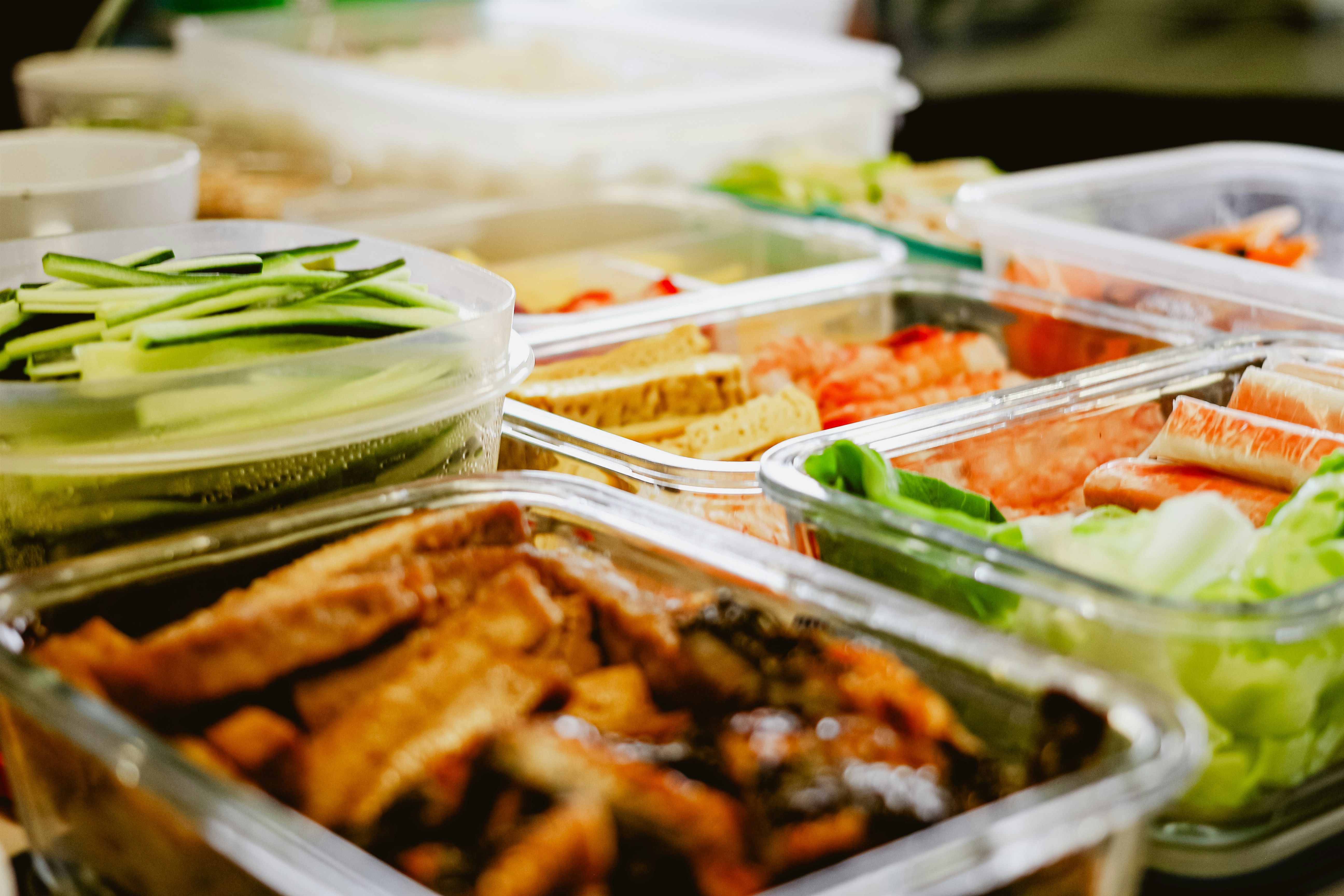
- Cook savory dishes in batches. Homemade stews, soups, and casseroles allow you to control seasoning. Store portions in airtight containers to resist the temptation of takeout sauces loaded with sugar.
- Eat whole fruits instead of fruit snacks or canned fruit in syrup. Apples, berries, or oranges contain fiber that slows sugar absorption and keeps you full.
- Add spices for flavor. Cinnamon, ginger, cardamom, and vanilla extract add complexity to coffee, oatmeal, or smoothies without adding refined sugar.
- Plan treats carefully. Set aside one small sweet indulgence each day or week, like a square of dark chocolate. Savor it slowly to satisfy your craving without derailing your progress.
Tips to Manage Sugar Cravings
Cravings often appear when you’re stressed, bored, or tired. Having quick tools ready helps you handle these moments smoothly. Build a collection of alternatives that satisfy the urge without adding extra grams of sugar.
Try each suggestion until you find what works best during key moments—after lunch, during an afternoon slump, or after exercising.
- Drink a glass of water with fresh lemon or lime juice.
- Chew cinnamon-flavored gum.
- Snack on crunchy vegetables like carrots or jicama with hummus.
- Take a brisk five-minute walk or stretch to clear your mind.
- Distract yourself with a quick, enjoyable activity—reading a page from a book, playing a short song, or messaging a friend.
Creating Habits That Last
Long-term change depends on sticking to new habits, not on being perfect. Link your new habits to existing routines. For example, add cinnamon to your morning coffee or sip herbal tea while preparing dinner. This “habit stacking” makes new actions feel natural.
Set achievable goals each week, like reducing your dessert portion or trying one new low-sugar recipe. Celebrate small successes, such as avoiding added sugar for three days straight. Positive feedback encourages continued effort.
Monitoring Your Progress and Staying Motivated
Journaling helps you identify patterns. Record what you eat, when cravings occur, and how you respond. Over time, you will notice triggers—perhaps weekday afternoons or social gatherings—and adjust your strategies accordingly.
Use simple charts or apps to track your daily sugar intake. Watching your progress over weeks provides a visual boost. Consider sharing milestones with a friend or online group for extra accountability.
Keep trying different approaches until you develop a system that works for you. Adapt each step—reading labels, swapping treats, scheduling treats—to your schedule and preferences. Find a rhythm that feels less like dieting and more like a smart lifestyle choice.
Understanding sugar's effects and managing hidden sources helps reduce cravings. Track your progress and make better choices to improve your energy, focus, and health. Start today to experience these benefits.