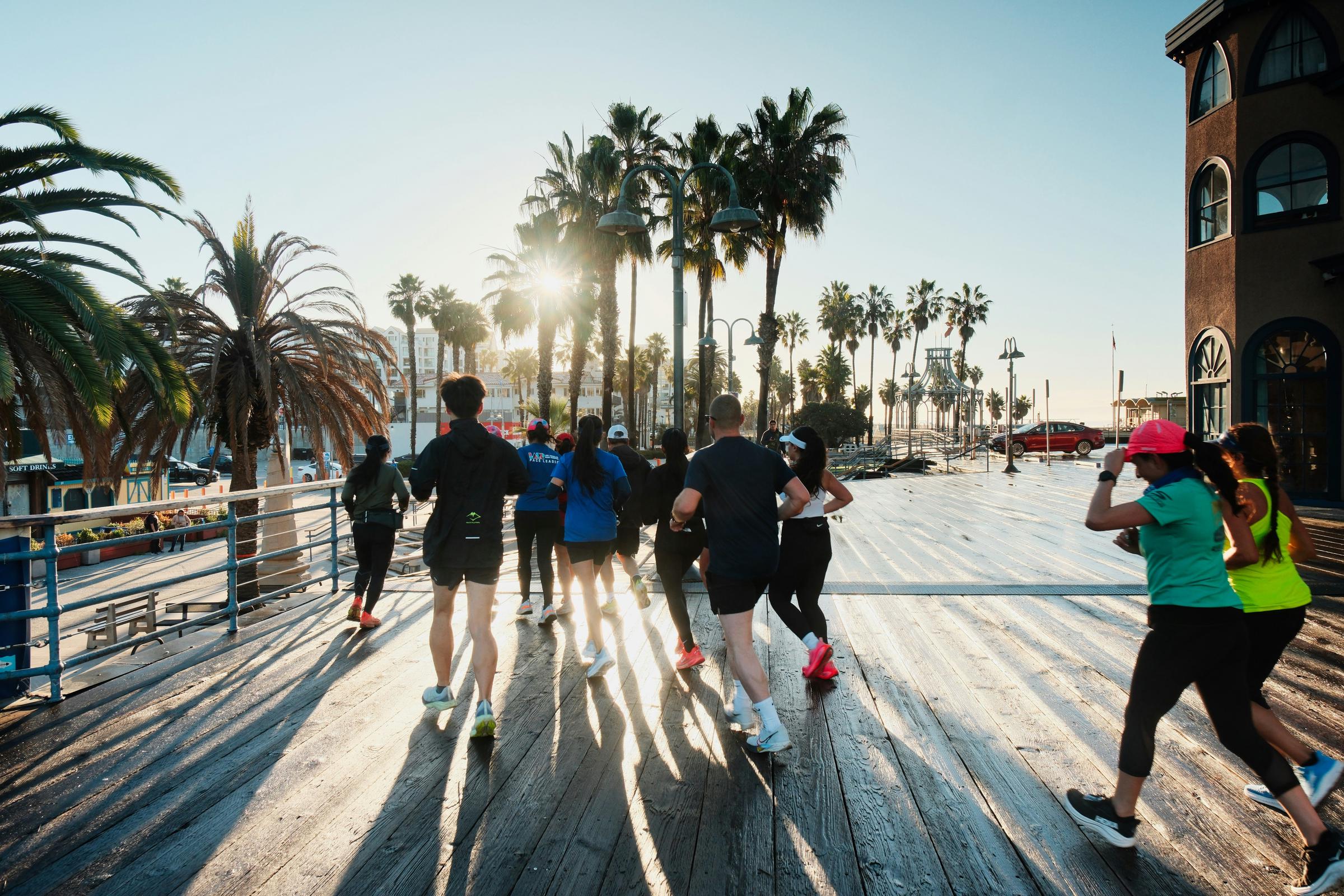
Riding a bike builds cardiovascular strength and challenges your stamina in exciting ways. You might find yourself racing down neighborhood paths or working up a sweat on an indoor trainer, but both experiences offer unique rewards. Setting specific goals gives your rides purpose, while tracking your achievements helps you stay motivated. Consistent practice and a thoughtful approach to each session allow you to notice improvements over time. As you continue, you’ll discover that cycling not only boosts your physical health but also brings a sense of accomplishment with every milestone you reach.
We’ll break down key steps—from warming up to dialing in your bike fit—to help you ride stronger and last longer. Follow these tips to turn each pedal stroke into real progress.
Warm-Up and Cool-Down Routines You Should Do
Warming up prepares your muscles and raises your heart rate without shock. Skipping this step risks injury and decreases workout quality. Warm-ups also sharpen focus so you can ride with purpose.
Cooling down helps clear out lactic acid and gradually lowers your heart rate. A solid cool-down speeds your recovery and eases stiffness the next day.
- Start with 5 minutes of easy spinning at low resistance. Keep your cadence steady around 80 RPM.
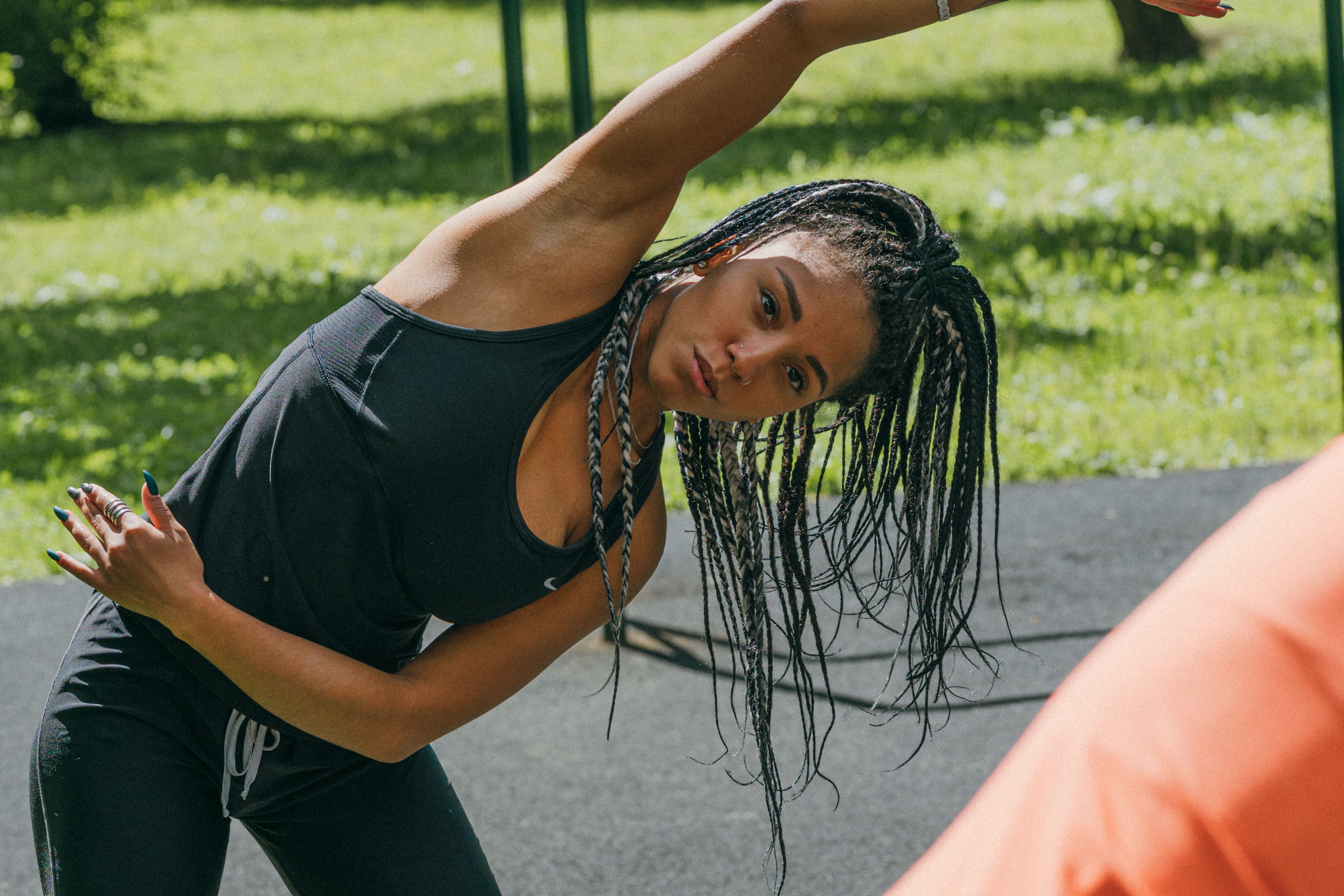
- Follow with dynamic stretches: leg swings, hip circles, and arm reaches, 10 reps each side.
- After your main ride, spin lightly for 5 minutes while breathing deeply.
- Finish with static stretches for hamstrings, quads, and calves. Hold each stretch for 20 seconds.
Interval Training Techniques to Use
Interval sessions improve your cardiovascular fitness by alternating hard efforts with rest. You will adapt faster and ride longer at higher speeds.
Set clear work-to-rest ratios. A study in the Journal of Sports Medicine found that riders increased VO2 max by 15% using 1:2 work-rest cycles over eight weeks.
- Tabata Style: 20 seconds all-out effort, 10 seconds easy spin, repeat 8 times.
- Threshold Blocks: 4 minutes at a hard pace (Zone 4), 2 minutes recovery, repeat 4 times.
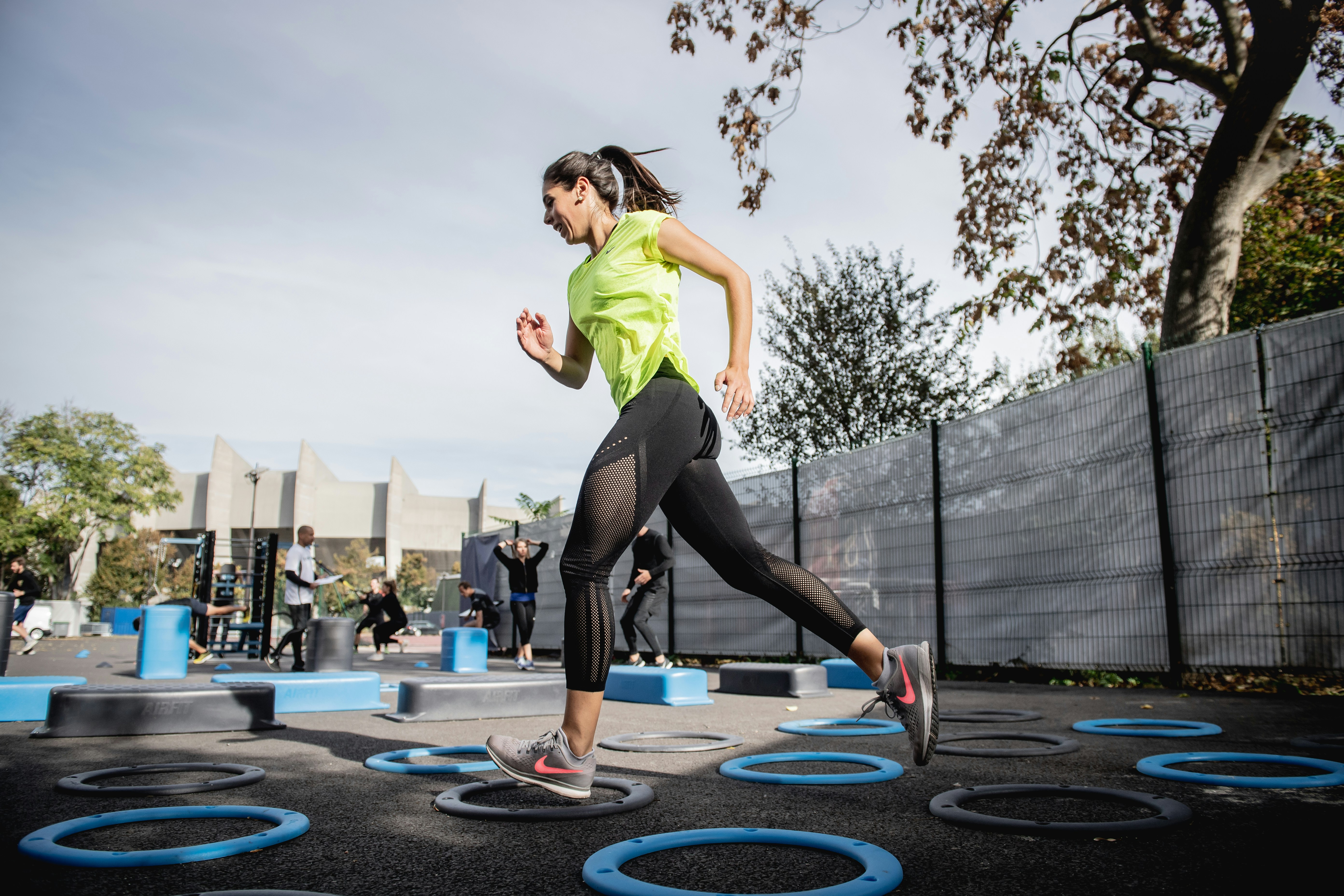
- Hill Sprints: Find a short incline, sprint 30 seconds, coast down, repeat 6 times.
Build Your Endurance with Steady-State Rides
Steady-state rides develop a strong aerobic base. Keep your effort in Zone 2—where you can chat but feel you're working. Aim for sessions lasting 60 to 120 minutes.
Consistency is key. Plan two or three rides each week at this pace. Your body adapts by increasing mitochondrial density, which helps you burn fuel more efficiently.
Track your progress with a reliable cycling computer such as *Garmin* Edge. Record distance, time, and average speed. Notice small improvements each week.
Include one long ride weekly, gradually increasing your longest session by 10% in distance or time. This gradual increase encourages positive adaptation without overloading your system.
Strength Training and Cross-Training for Cyclists
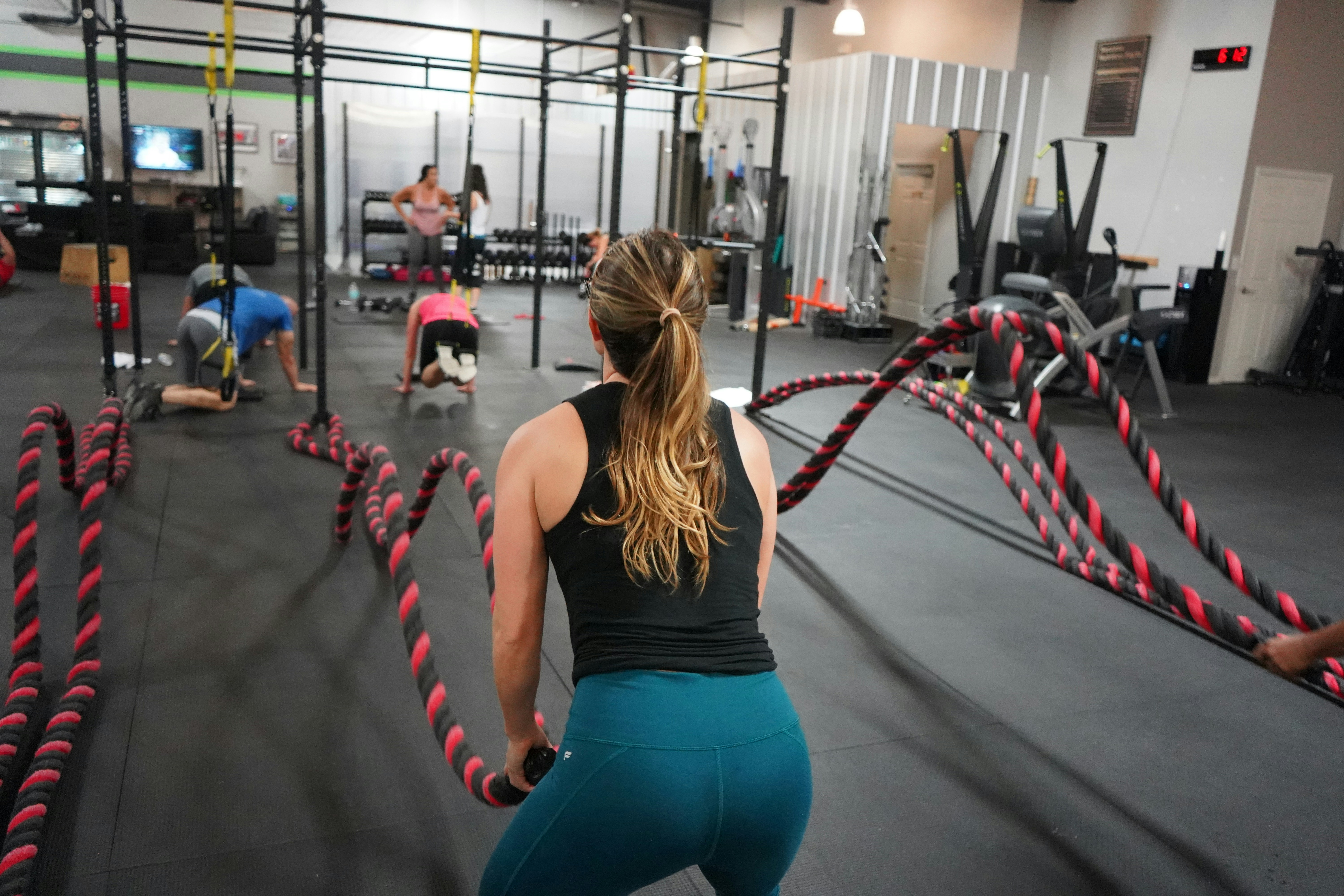
Building leg strength and core stability directly improves your power and control on the bike. Dedicate two gym sessions each week to muscle work.
This approach helps prevent imbalances and enhances joint health.
- Squats and Lunges: 3 sets of 10 reps each. Focus on full depth and controlled movement.
- Deadlifts: 3 sets of 8 reps. Keep your back flat and engage your glutes during the lift.
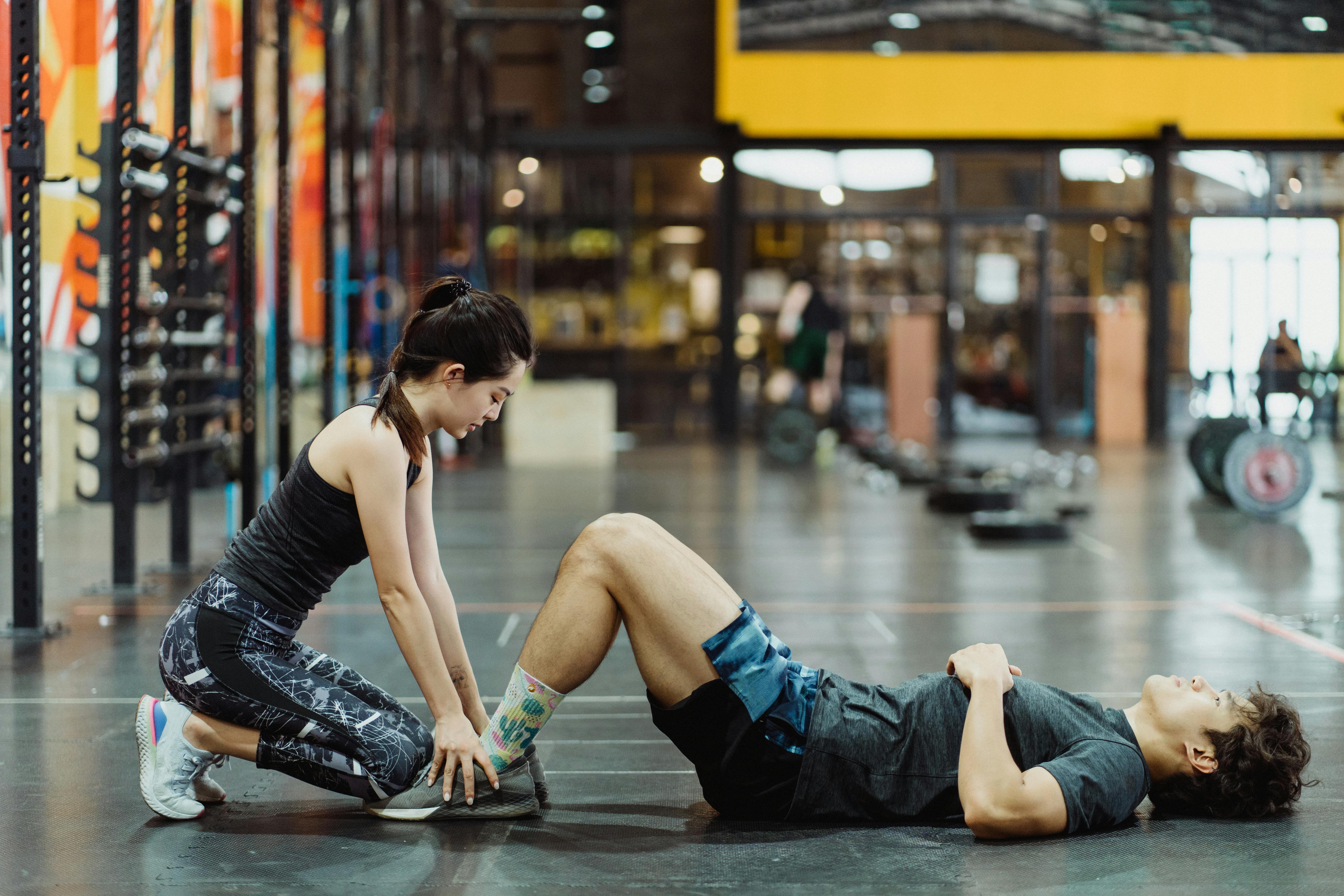
- Plank Variations: Hold each plank for 45 seconds, 3 rounds. Include side planks for obliques.
- Single-Leg Press: 3 sets of 12 reps per leg. This improves pedal stroke balance.
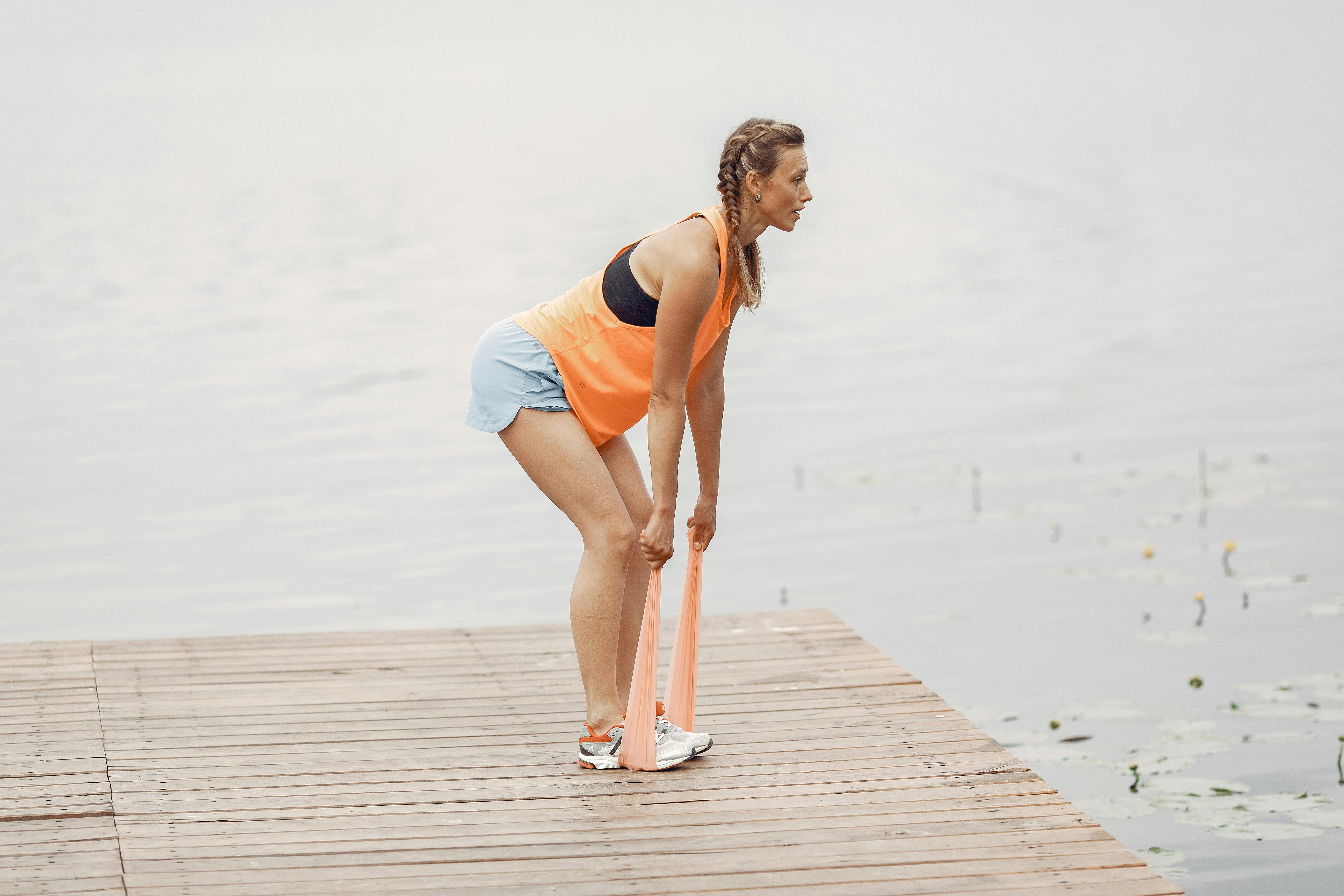
Yoga or Pilates classes can improve flexibility and strengthen your core. They also enhance breathing control and lower the risk of overuse injuries.
Nutrition and Hydration Tips
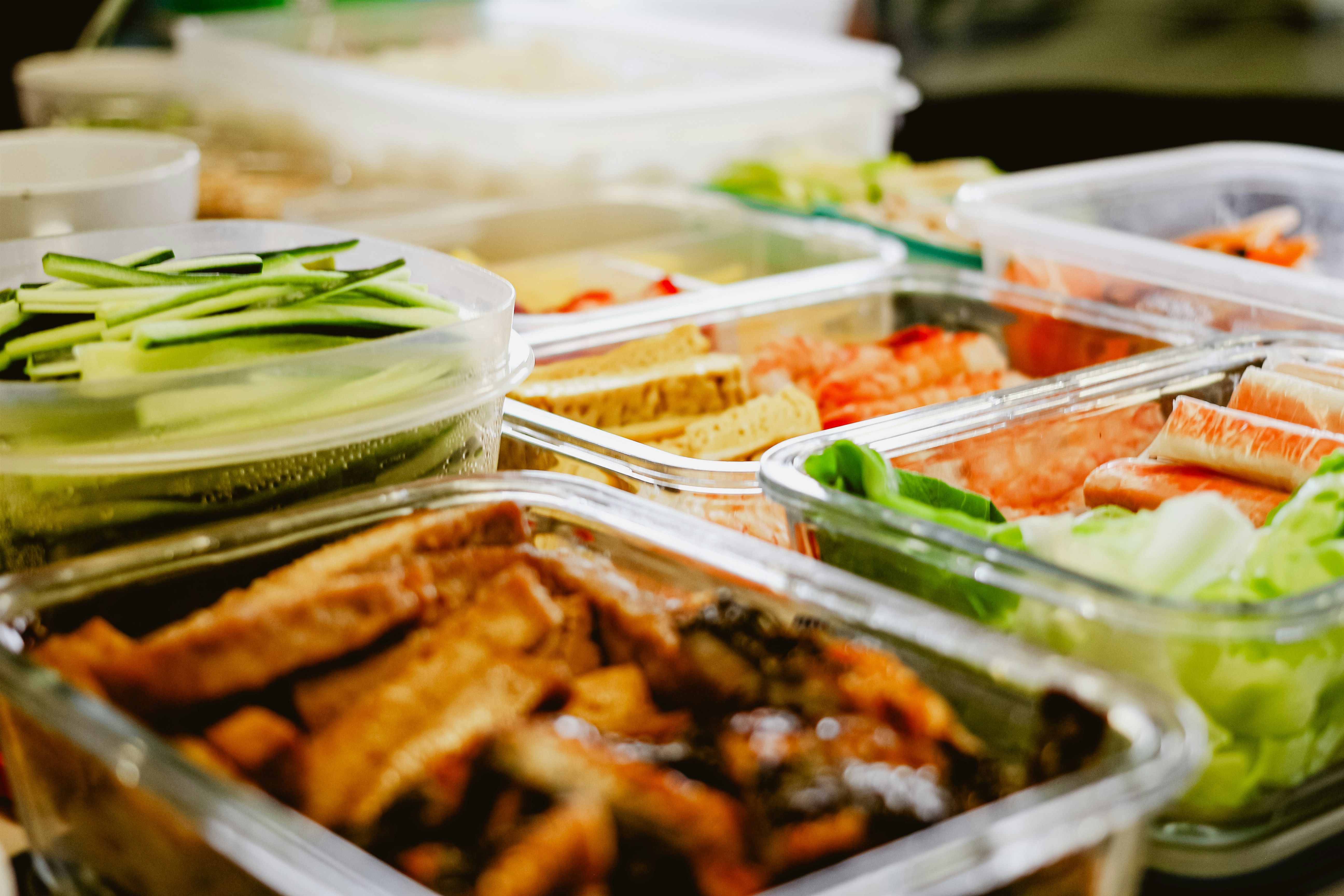
Your muscles require fuel for performance and recovery. Consume a balanced mix of carbs, protein, and healthy fats. Before long rides, load up on slow-digesting carbs such as oats or sweet potatoes.
Eat 30 to 60 grams of carbs each hour during rides longer than 90 minutes. Options include energy gels, bananas, or homemade rice balls stored in your jersey pocket.
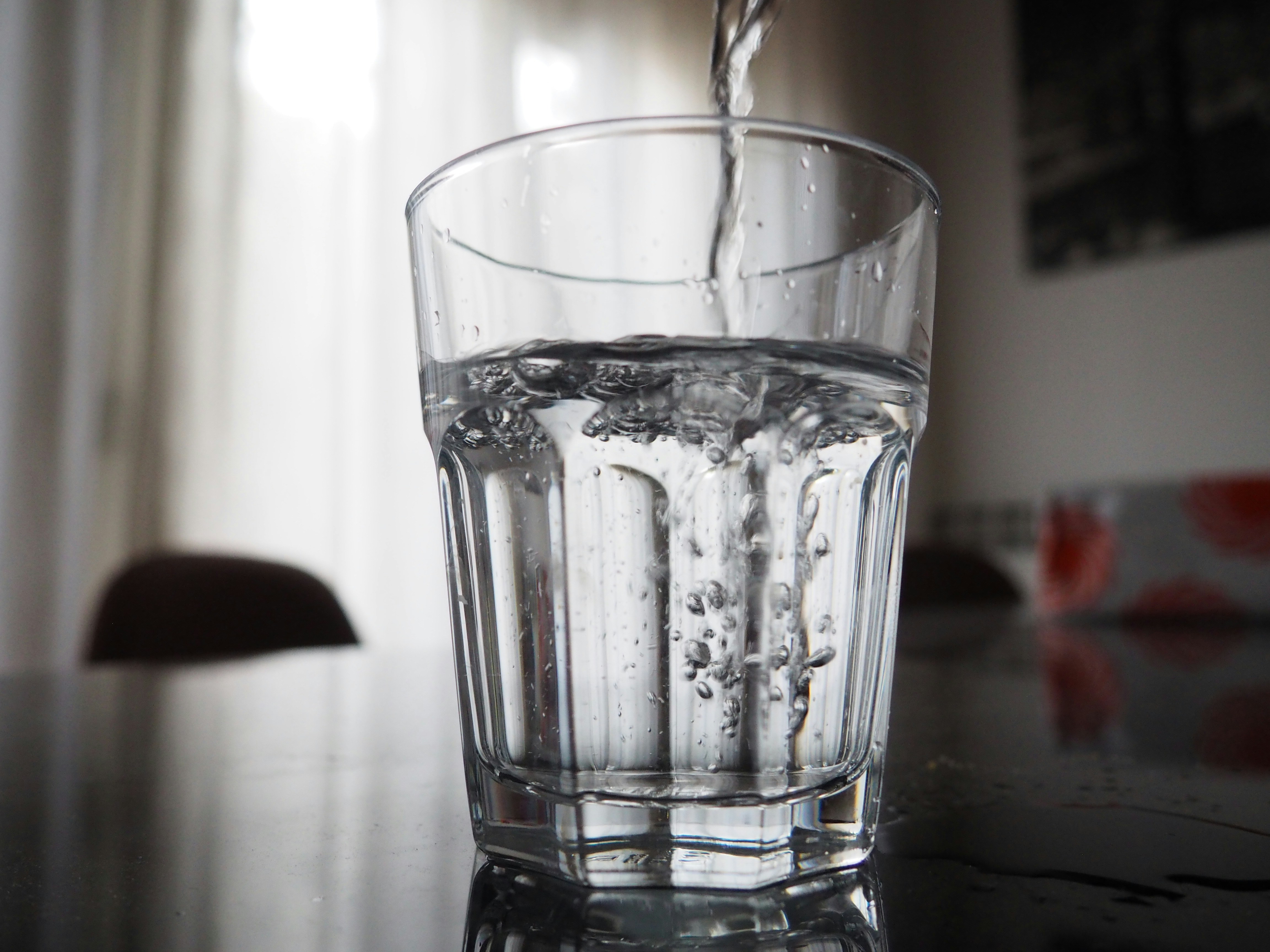
Staying hydrated is equally important. Losing 2% of your body weight through sweating can decrease performance by up to 20%. Sip fluids regularly—around 500 to 750 ml per hour in moderate temperatures.
In hot weather, add electrolytes. Mix a sports drink or use tablets to keep sodium levels balanced and prevent cramps.
Bike Equipment and Fit Tips
A proper bike fit reduces fatigue and improves power transfer. Visit a certified fitter who adjusts saddle height, fore-aft position, and handlebar reach. Small adjustments can greatly increase comfort.
Check tire pressure before every ride. Proper PSI minimizes rolling resistance and prevents flats. Use a digital gauge for accuracy.
Select a saddle that fits your sit bone width and riding style. Test different shapes at a local shop. Poor-quality saddles can cause discomfort during longer rides.
Use clipless pedals to increase efficiency. Practice clipping in and out in a safe area before riding in traffic or on technical trails.
Ride smarter to make real progress. Track your results and adjust your routine as you improve. Enjoy the ride and watch your endurance grow.