
How to Recover Faster With Simple Post-Exercise Techniques
Mar 24, 2026



Many people wake up feeling tired or find their thoughts racing, even after spending a full night in bed. Achieving truly restful sleep takes more than just logging enough hours; it calls for conscious changes and attentive routines that support your body’s natural cycles. Small shifts in daily habits can make a significant difference in how refreshed you feel each morning. This guide outlines eight practical, science-supported methods you can use throughout the year to move from restless nights to deeper, more restorative rest. Simple adjustments can help you wake up feeling clear-headed and ready to face each new day.
Each tip draws on peer-reviewed studies and real-world examples. You’ll find clear steps—no fluff—designed to fit into your daily life. Ready to change the way you sleep? Let’s dive in.
Sound rest begins with the right setting. Small adjustments in your bedroom can make a big difference in how quickly you drift off and stay asleep. Aim to craft a space that blocks distractions and encourages relaxation.
Consider these elements:
Your body thrives on routine. Going to bed and waking up at the same times each day trains your internal clock for deeper, more predictable rest. Sticking to this schedule even on weekends reinforces the habit.
Research shows that irregular sleep patterns associate with higher stress hormones and lower daytime focus. To stay on track, set alarms not only for waking but also as a cue to wind down. Over weeks, your body will adapt, making those bedtime signals feel natural.
Switch off from the day’s demands with a short ritual that signals your brain it’s time to unwind. Choose calming activities that engage your senses without overstimulating them. Over 14 days, this ritual can lower your heart rate and prepare your mind for rest.
Try reading fiction under soft lighting or stretching gently on a cushioned mat. Each night, dim lights at least 30 minutes before bed to boost melatonin production. As you repeat this sequence, your brain will start releasing sleep chemicals at the right moment.
What you eat and drink affects the quality of your rest. Focus on nutrients and supplements that support sleep without causing next-day drowsiness.
Use caution when mixing supplements and consult a professional if you take medication. Solid research confirms these compounds work best alongside consistent sleep habits, not as a standalone fix.
Exercise enhances deep sleep phases, helping your brain process memories better. Aim for at least 150 minutes of moderate activity each week. Combining cardio and strength training optimizes hormone release and temperature regulation.
Morning or afternoon workouts help your body set its clock, but avoid intense sessions less than two hours before bedtime. Light yoga or a brief walk in the evening can improve circulation without increasing energy levels.
Devices emit blue light that tricks your brain into thinking it’s daytime, suppressing the melatonin surge needed for restful sleep. Experts recommend powering down screens at least 60 minutes before lights out.
If you must use a phone or tablet, activate night mode or install blue-light filters. Consider replacing screen scrolling with a paper-based hobby that doesn’t interfere with your sleep chemistry. Over time, your mind will quiet faster and you will fall asleep more easily.
Adjust your *melatonin* levels, sleep schedule, and evening habits to improve rest. These changes will lead to better sleep quality and daytime alertness.

Bringing friends together over a good book creates opportunities to exchange new perspectives on health, daily routines, and emotional balance. When a group chooses to...
Mar 13, 2026

Building strong bones begins with simple, consistent actions. You can improve bone density without expensive equipment or a gym membership by focusing on practical...
Feb 21, 2026
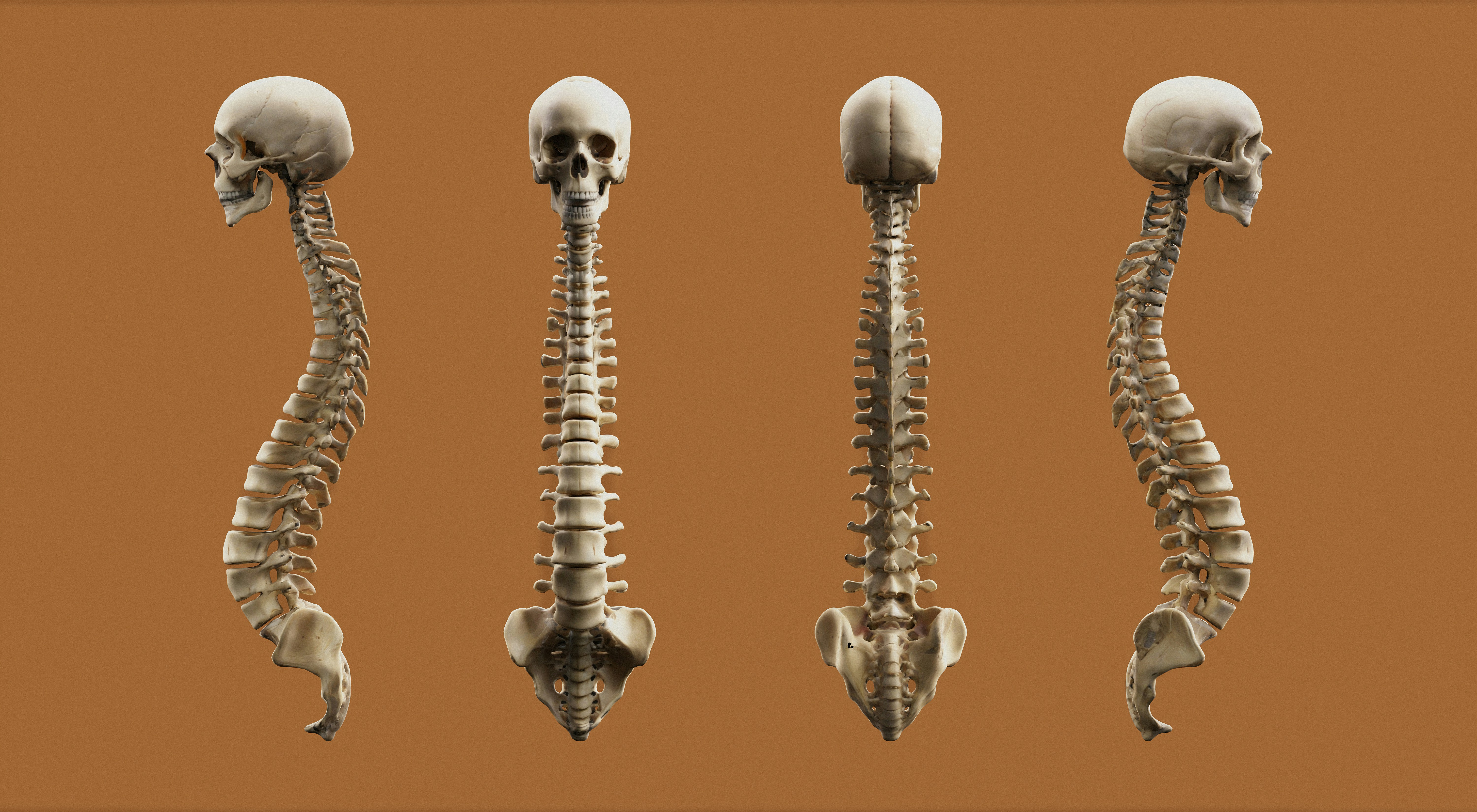
Healthy bones form the foundation for staying active and independent throughout life. Natural approaches such as adjusting your meals, staying physically active, and...
Mar 17, 2026

Fresh ingredients and homemade sauces bring excitement and satisfaction to your meals, even when you skip packaged snacks and ready-made foods. You can keep all the...
Feb 28, 2026

Small changes in daily routines can make a big difference for long-term wellness. With helpful direction, anyone can build habits that support healthy aging. This group...
Apr 18, 2026

Healing after an injury often brings a mix of impatience and determination, particularly when you want to stay active and continue making progress. Watching others move...
Apr 25, 2026

Learning the effects alcohol has on your body can support healthier decision-making. Seven interactive workshops explain the science behind alcohol, its impact on...
Apr 11, 2026

Soft fabrics drape across cozy furniture, gentle lighting casts a warm glow, and touches of greenery bring a sense of calm to any room. Thoughtful design choices can...
Mar 04, 2026

Building the drive to complete a challenging workout demands more than determination alone. A well-structured plan, engaging new activities, and consistent routines...
Jun 10, 2026

Many people find renewed motivation and progress when they join fitness retreats and bootcamps. These experiences offer structured workouts, balanced meals, and...
Apr 29, 2026

Clean, fresh air at home shapes your comfort and well-being each day. Everyday activities like cooking, caring for pets, or simply moving about can fill the air with...
May 07, 2026

Understanding nutrition science changes how you approach grocery shopping, meal preparation, and your overall well-being. You can learn valuable insights directly from...
Mar 11, 2026

Making changes to reduce sugar often seems challenging, yet every small adjustment makes a difference over time. You can still enjoy delicious foods and satisfying...
May 19, 2026

Long hours at a desk often cause shoulders to round forward, create tension in the neck, and bring discomfort to the lower back. Paying attention to your body’s signals...
Feb 24, 2026