

8 Science-Backed Ways to Enhance Sleep Quality All Year
Many people wake up feeling tired or find their thoughts racing, even after spending a full night in bed. Achieving truly restful sleep takes more than just logging...
Jun 15, 2026



Many people find themselves reaching for their phones to browse social media after a busy day, intending only to spend a few minutes online. Before they know it, half an hour has slipped by. This routine can sap mental energy, interfere with restful sleep, and make it harder to fit physical activity into the day. Putting down devices for a while gives the mind a chance to recharge, sharpens attention, and opens up opportunities for more rewarding activities. Choosing to step away from screens, even for a short period, can make a noticeable difference in daily well-being and overall outlook.
This guide outlines five clear methods you can try right now. Each approach shows simple steps, real-life examples, and quick tips to fit into your daily routine. You don’t need to overhaul your life or sign up for an expensive retreat. Small shifts can deliver big benefits.
A teacher named Maria decided to pause social media during her lunch break. She replaced scrolling with a ten-minute walk around the school grounds. She reported feeling more energized in afternoon classes and more present with students.
Phone notifications often hijack our focus. By carving out pockets of tech-free time, you reclaim mental space for creative ideas, mindful workouts, or simply breathing without distraction.
Take Dan’s living room reading corner. He removed his tablet, placed a cozy throw on his armchair, and stocked a small shelf with novels. Over a week, he found himself reading more chapters and spending less time doomscrolling.
Start small. Maybe designate only your bedside table as screen-free. Once that habit sticks, expand to other areas. You’ll notice your mind settling rather than constantly jumping to your next alert.
Set specific time windows when you strictly turn off all screens. This might be a mid-morning pause or a post-work hour block. The goal is to create predictable breaks that help your brain relax gradually.
Use a simple timer or a habit-tracking app that reminds you to step away from technology. For example, Alex took five-minute breaks every hour at work. He stood up, stretched, or chatted with a coworker. After two weeks, he noticed fewer headaches and sharper focus on spreadsheets.
If you often forget, connect a tech break to a regular event. Finish a meeting, drink a glass of water, then close your laptop. Over time, this sequence becomes automatic and feels as natural as brushing your teeth.
Find one activity you enjoy that doesn’t involve electronics. Maybe it’s cooking, gardening, or sketching. Allocate specific time slots—say, 20 minutes—to this activity each day.
Sarah replaced her evening social media scrolling with preparing a new recipe. She followed a simple stir-fry from *Jamie Oliver*’s cookbook. After a week, she felt proud of her home-cooked meals and noticed a drop in her stress levels.
Keep a short list of five offline hobbies you enjoy. When you feel the urge to open TikTok, pick up your sketch pad or lace up your running shoes instead. This habit shifts your mindset from passive consumption to active creation or movement.
Team up with a friend, family member, or coworker who also wants to cut back on screen time. Agree on check-ins—maybe a quick chat or a shared journal entry about your tech-free experiences.
For example, two colleagues, Jenna and Marco, formed a group chat solely for daily progress updates. They cheered each other on whenever someone completed a no-phone dinner. This friendly nudge made it easier to stick with the plan.
If you need extra motivation, turn this into a fun challenge. Track who can log the most screen-free hours each week. Offer a small reward—maybe a coffee run or choosing the weekend activity.
After tracking her phone use for two weeks, Priya realized she spent an average of three hours daily on news apps. She set a limit of 30 minutes per morning and used the rest for yoga. Her sleep improved and she felt less anxious about world events.
Tracking helps you recognize real progress. It reveals patterns you might miss otherwise. Adjust your plan based on that data to keep your progress steady.
Taking a break from screens doesn’t have to be perfect. Try a method, adjust as needed, and notice improvements in rest and focus.
Many people wake up feeling tired or find their thoughts racing, even after spending a full night in bed. Achieving truly restful sleep takes more than just logging...
Jun 15, 2026

Muscles often feel sore and tired after a challenging workout, making recovery an essential part of any exercise routine. Taking time to care for your body at home can...
Mar 24, 2026

Every cell in your body depends on water to function at its best, making hydration essential for maintaining steady energy, clear focus, and good health. Drinking enough...
Jun 28, 2026

Daily responsibilities often build up, leaving you feeling overwhelmed or tired before the day has truly begun. Early mornings sometimes bring more fatigue than rest,...
May 09, 2026

Building the drive to complete a challenging workout demands more than determination alone. A well-structured plan, engaging new activities, and consistent routines...
Jun 10, 2026

Caring for your emotional well-being holds as much importance as looking after your physical health. Taking time for yourself throughout the day helps you build...
Mar 07, 2026

Learning the effects alcohol has on your body can support healthier decision-making. Seven interactive workshops explain the science behind alcohol, its impact on...
Apr 11, 2026

Healing after an injury often brings a mix of impatience and determination, particularly when you want to stay active and continue making progress. Watching others move...
Apr 25, 2026

Decoding the contents of a cookie package or a bottle of salad dressing can seem confusing at first glance. Nutrition labels often present a maze of figures, unfamiliar...
May 12, 2026

Signing up for a cooking class opens up new ways to plan, prepare, and serve your meals with confidence. Experienced instructors guide you through each step, sharing...
Apr 15, 2026

Making changes to reduce sugar often seems challenging, yet every small adjustment makes a difference over time. You can still enjoy delicious foods and satisfying...
May 19, 2026
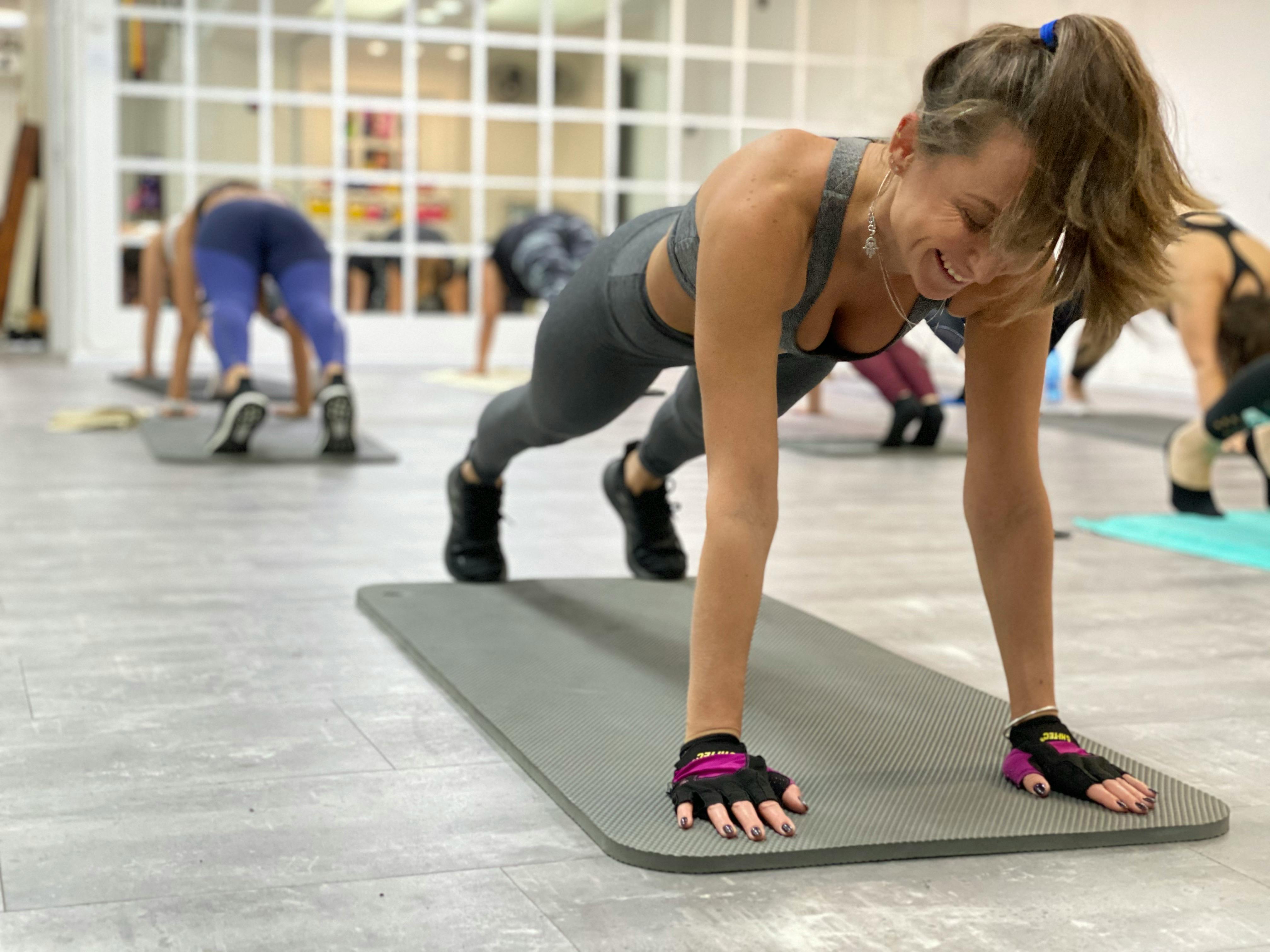
Strong muscles support every move you make, from carrying groceries to reaching for a high shelf. Functional fitness focuses on exercises that mirror the everyday...
Mar 27, 2026

Building close connections with others adds energy to your daily life and supports your overall health. Sharing experiences with friends makes it easier to cope with...
Apr 07, 2026

Understanding nutrition science changes how you approach grocery shopping, meal preparation, and your overall well-being. You can learn valuable insights directly from...
Mar 11, 2026