
The Best Strategies For Limiting Sugar In Everyday Meals
Aug 30, 2026



Learning how to read food labels opens up a clearer understanding of what goes into your shopping cart each week. You start to notice ingredients you might have overlooked, making it much easier to avoid hidden sugars that can sneak into your meals. Each label tells a story, revealing important details about the products you buy. When you pay close attention to these details, you quickly recognize which items support your health goals and which ones add unnecessary sugars to your diet. Developing this skill helps you make informed choices that benefit your well-being every time you shop.
Simple label reading does not feel like a chore once you see the payoff. You’ll shop smarter, feel more in control, and aim for a balanced diet. Let’s dive into the skills you need to decode sugar content with ease.
Nutrition labels pack a lot of data into a small space. You turn that data into clear steps that guide every choice. Follow each numbered point to break down the sugar info on any package.
This method makes numbers feel less overwhelming. You train your eye to jump straight to the sugar lines. Soon, you gauge sugar at a glance and pack better items into your cart.
Remember that labels can differ. Some brands group sugar under “Total Carbohydrate.” Other labels show “Includes Xg Added Sugars.” Adapt your approach to each style. Once you master one, you will master them all.
Not all sugars wear the name “sugar.” Products list them under many aliases. You want to learn the top culprits so you can cut them out effectively.
If you see *Coca-Cola* or *Pepsi* on your shelf, the sugar source will likely read “high-fructose corn syrup.” Many flavored yogurts use “fructose.” Some protein bars list “maltose.” Recognizing these names helps you dodge surprises.
Foods labeled “organic” may still hide cane sugar or honey. Even products like *Nutella* rely on palm oil and sugar. When you scan that label, question any term ending in “-ose” or any syrup reference.
You need a number goal each day. The American Heart Association suggests no more than 36 grams for men and 25 grams for women. That’s about nine to six teaspoons. You can adjust this based on calorie needs.
Start by logging each food’s sugar content in a running total. A simple phone note works. If you have a snack with 12 grams of added sugar, subtract it from your daily budget. Watch the total shrink, and you’ll steer clear of overdoing it.
This approach also highlights habits. You may find breakfast foods push you over early. Once you know the hotspots, you can swap items or cut portions to keep sugar in check.
Tracking does not have to feel tedious. Set a quick reminder at lunch and dinner. Stay honest with your log. Seeing your progress in real time makes the effort pay off.
You can redesign your grocery list to minimize sugar. Follow these tips to fill your cart with low-sugar winners.
Heading for the perimeter aisles reduces your chances of grabbing sugary snacks. Stay mindful in the middle aisles. Labels here hold packaged foods that often carry hidden sugars.
Keep a shopping list. Write it on paper or in your phone. Stick to it. Impulse buys tend to be high in sugar and low in nutrients. With a plan, you’ll navigate straight to what fuels your goals.
You do not need a sweet tooth to enjoy treats. Simple swaps cut sugar and keep flavor. Try mashed banana or unsweetened applesauce in baking. They add moisture and mild sweetness without refined sugars.
For snacks, swap a granola bar with 15 grams of sugar for a handful of nuts paired with fresh berries. You’ll keep energy steady and add fiber. Instead of soda, infuse water with lemon, cucumber, or mint leaves.
This habit extends to homemade dressings and sauces. Whisk olive oil, vinegar, and a dash of mustard instead of reaching for bottled vinaigrettes. You cut up to 8 grams of sugar per serving.
Stir-fries gain flavor when you use crushed garlic, ginger, and a splash of tamari instead of sweet glazes. You’ll cook with bold taste and no added sugar.
Mastering label reading helps you make accurate choices, reducing sugar intake and increasing energy. Be prepared to scan and compare effectively on your next shopping trip.
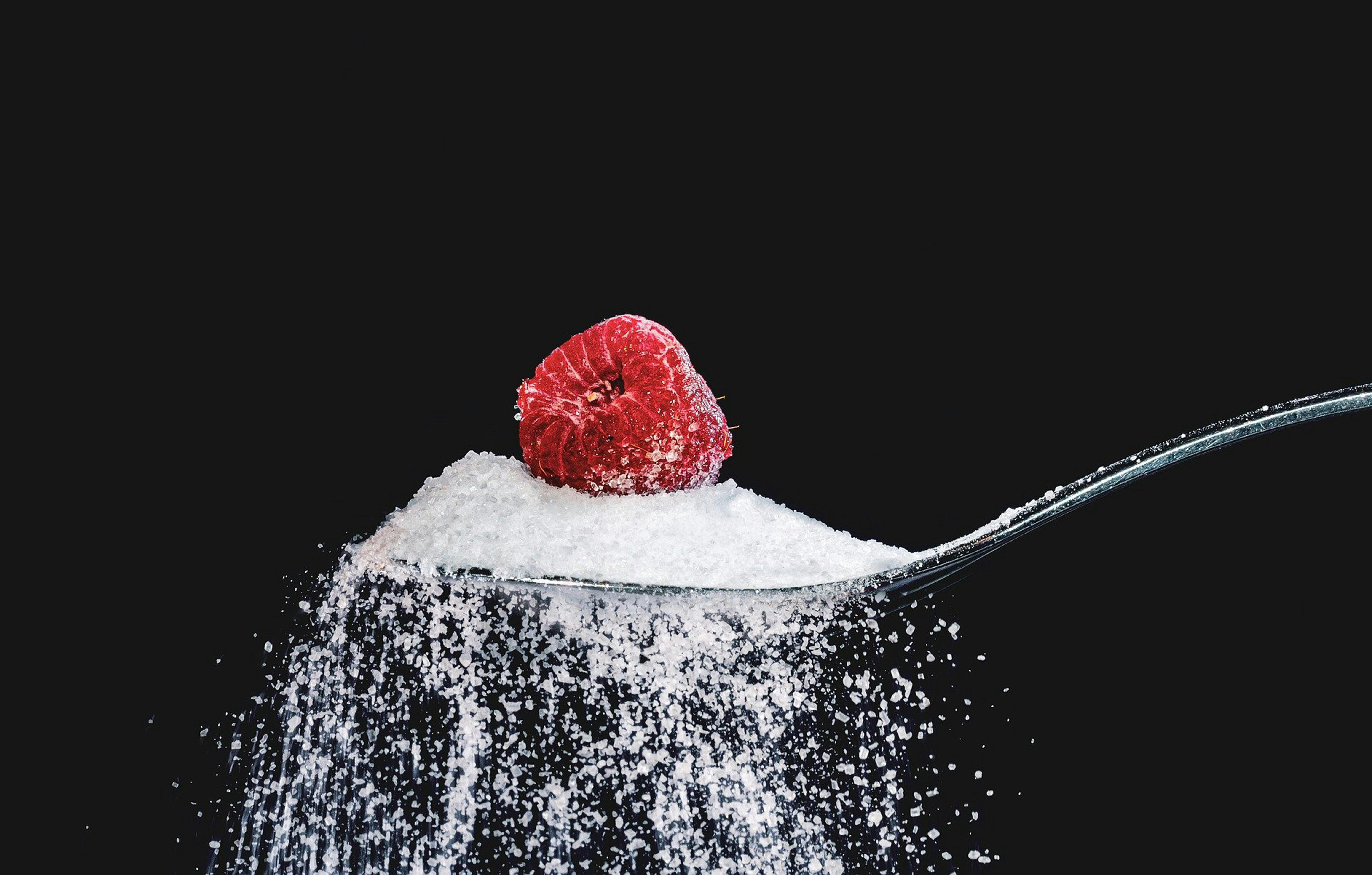
Making changes to reduce sugar often seems challenging, yet every small adjustment makes a difference over time. You can still enjoy delicious foods and satisfying...
May 19, 2026

Building good health starts with learning to read, question, and use information about what you eat, how you move, and the care you receive. Strong health literacy means...
Aug 12, 2026

Enrolling in a cooking class brings a fresh twist to your daily meals while building your confidence in the kitchen. You learn to replace rich, heavy sauces with vibrant...
May 23, 2026

Experts gather in a vibrant setting filled with fresh insights on healthy aging. Each workshop unpacks fascinating scientific questions, offering practical habits anyone...
Aug 05, 2026

Fresh ingredients and thoughtful choices can turn everyday cooking into an enjoyable and rewarding experience. With the right classes, you learn not just to prepare...
Sep 12, 2026
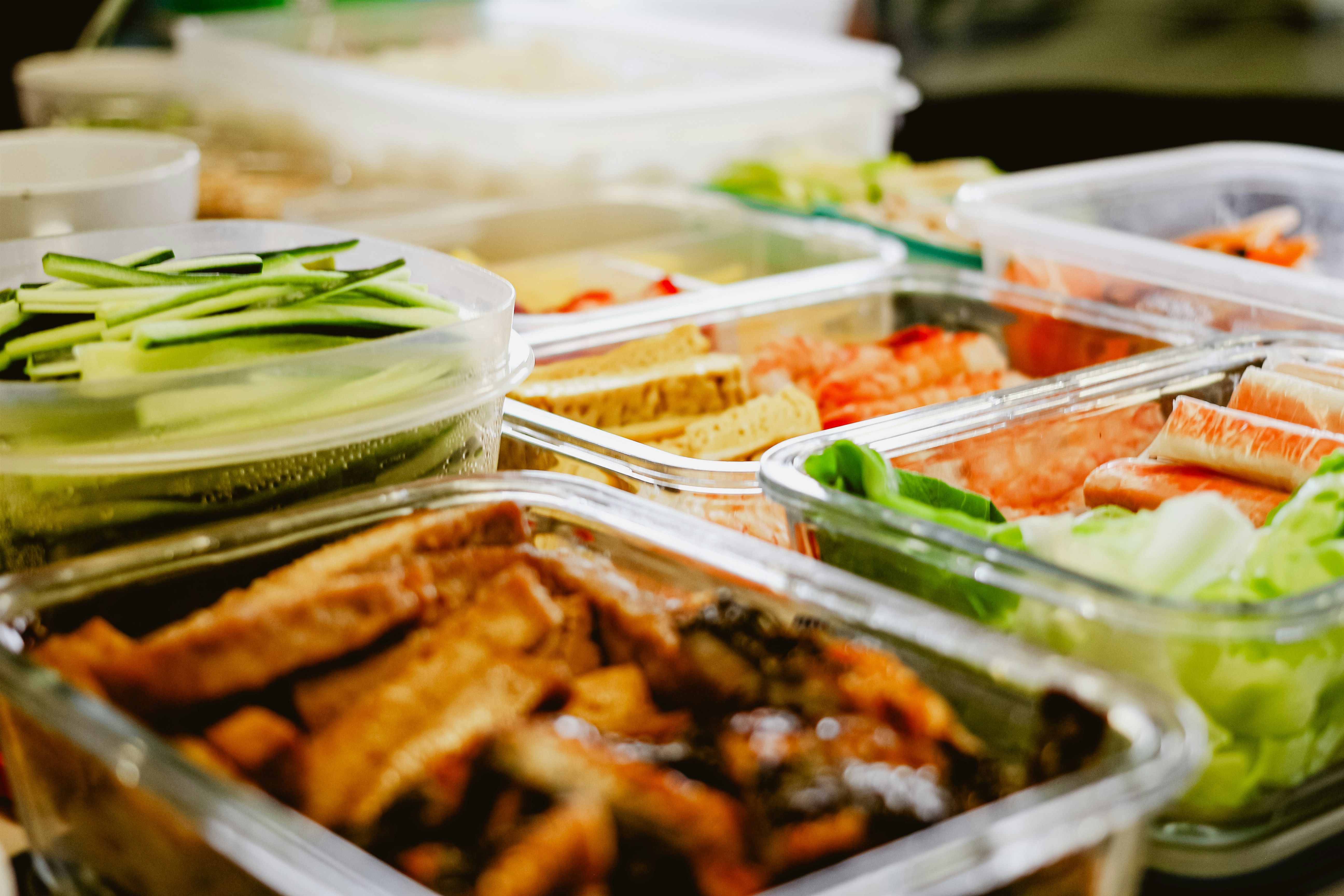
Fresh fruits and vegetables add both taste and nutrition to every meal you prepare. Selecting seasonal produce often means spending less at the market while supporting...
Jul 29, 2026

Each sip of water and every breath brings more than just essential elements into your body; hidden chemicals may also find their way in. These invisible substances move...
Jul 01, 2026

Riding a bike builds cardiovascular strength and challenges your stamina in exciting ways. You might find yourself racing down neighborhood paths or working up a sweat...
Aug 19, 2026
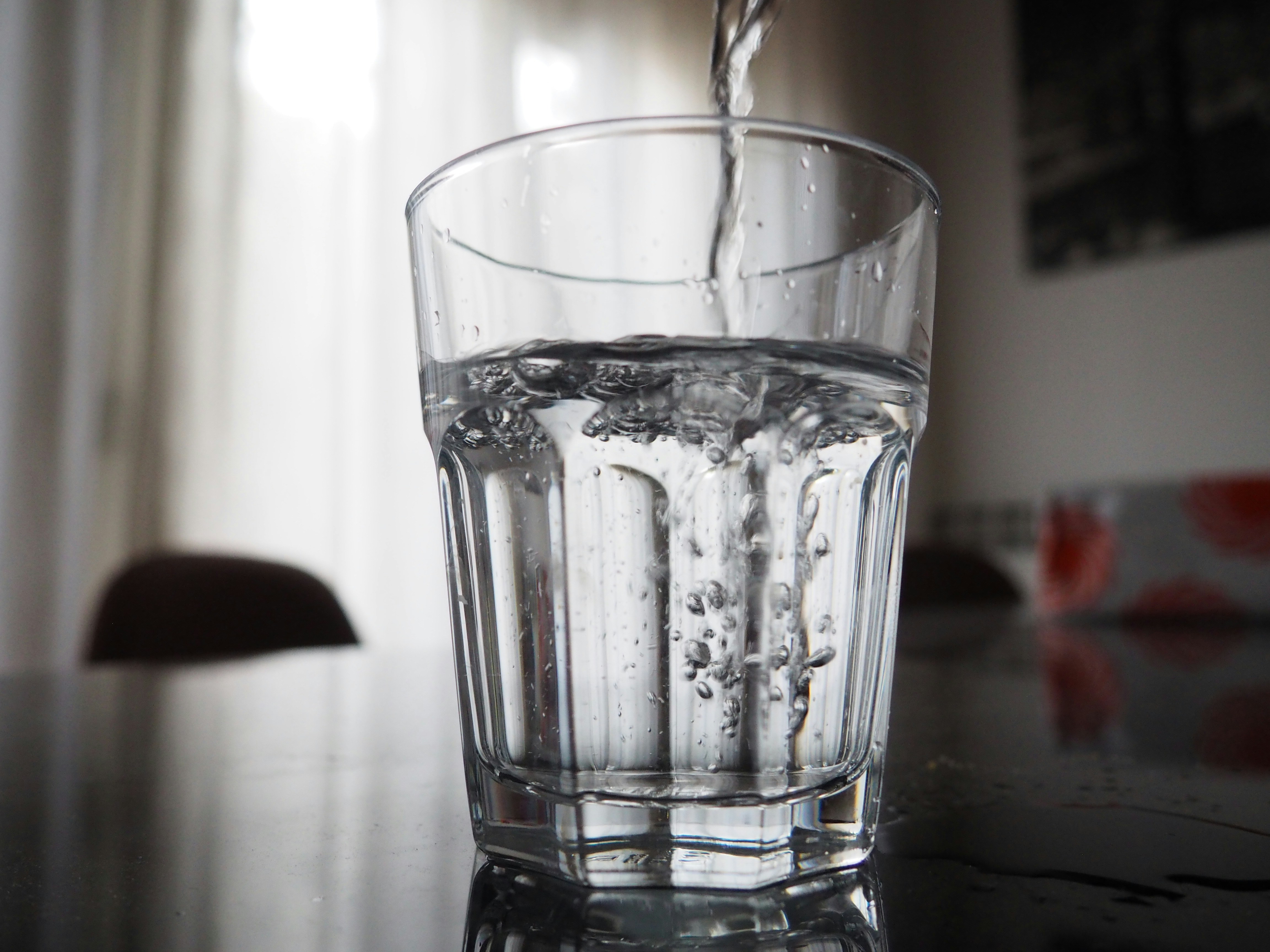
Every cell in your body depends on water to function at its best, making hydration essential for maintaining steady energy, clear focus, and good health. Drinking enough...
Jun 28, 2026
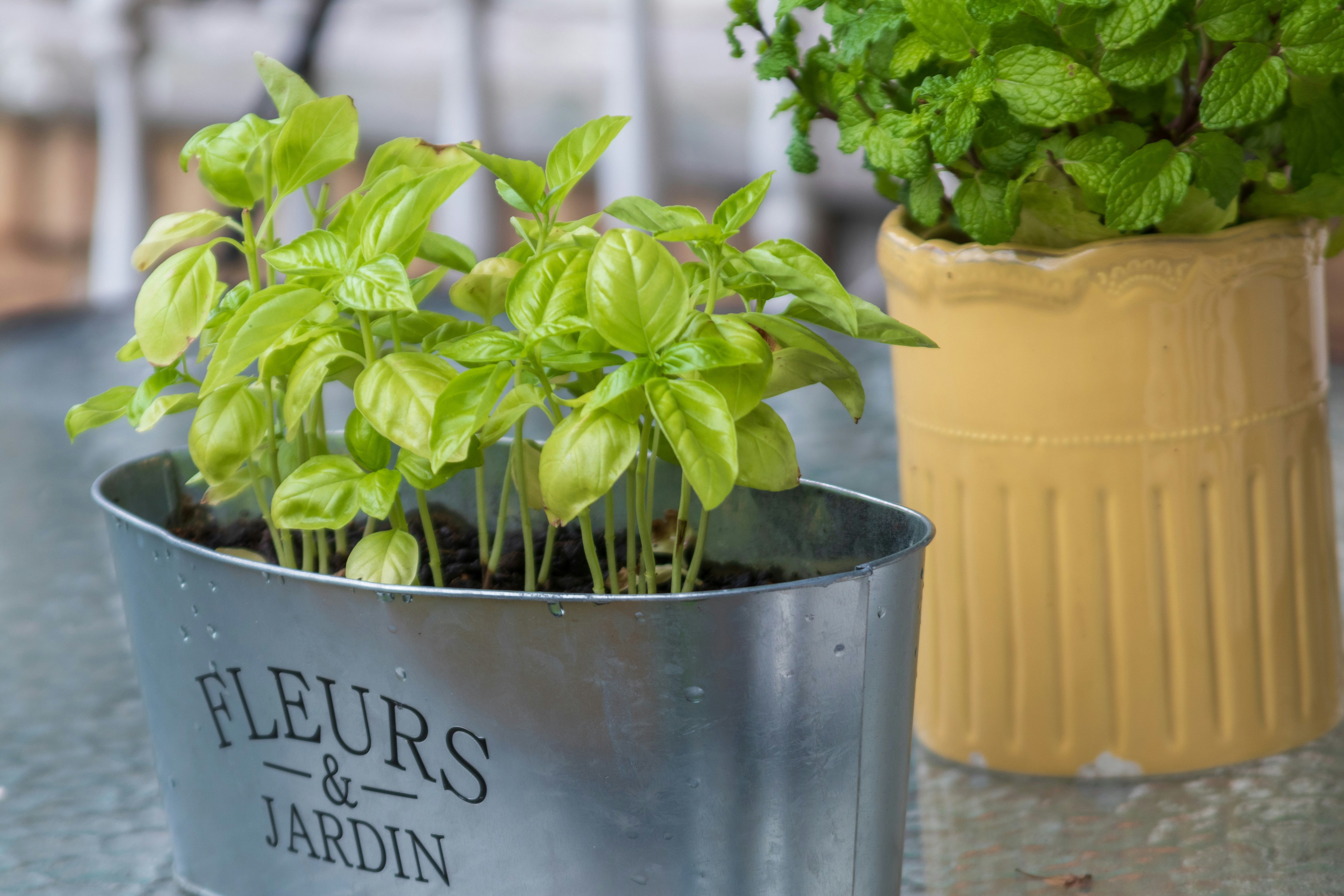
Fresh herbs and greens grown at home add both flavor and nutrition to your meals. With just a bit of space on a windowsill or patio, you can pick ingredients straight...
Sep 04, 2026

Creating a living space that feels comforting and environmentally conscious begins with thoughtful decisions about your surroundings. By paying attention to elements...
Jun 21, 2026

Staying active after demanding workouts becomes much easier when you take steps to reduce muscle soreness. A well-planned recovery routine can help you avoid aches and...
Aug 22, 2026

Giving your body the right nutrients before and after exercise helps you get more out of every workout. When you pay attention to what you eat before physical activity,...
Jun 02, 2026

Many people find themselves reaching for their phones to browse social media after a busy day, intending only to spend a few minutes online. Before they know it, half an...
Jul 05, 2026