

5 Key Workshops For Understanding Alcohol’s Effects On Health
Learning the effects alcohol has on your body can support healthier decision-making. Seven interactive workshops explain the science behind alcohol, its impact on...
Apr 11, 2026



Each sip of water and every breath brings more than just essential elements into your body; hidden chemicals may also find their way in. These invisible substances move through your system without detection, subtly affecting your cells, hormones, and natural defenses. While you may not notice their presence right away, their influence can build over time and impact your health. Learning how these chemicals enter your body and what they do once inside helps you make informed choices and take action to protect yourself and those you care about from their effects.
In this guide, you’ll learn how common toxins make their way into your life and how they chip away at your well-being. You’ll also find clear steps to cut down on your exposure and simple checks to keep tabs on what’s going on inside your home and your body. Let’s dive in and decode the impact of these hidden hazards.
Environmental toxins are chemicals or particles that harm living organisms. They range from heavy metals like lead and mercury to synthetic compounds such as phthalates and flame retardants. Plants absorb some through soil, water carries others, and air wafts fine particles we inhale.
These substances differ from natural elements—many originate as industrial byproducts, cleaning agents, or plastic additives. Your skin, lungs, and digestive tract serve as gateways. Once inside, toxins can accumulate in fat tissue or disrupt hormone signals. That slow buildup and interference set the stage for health issues years down the road.
Toxins can trigger low-grade inflammation. When your immune system detects foreign chemicals, it releases signaling molecules. If this process repeats, it wears down your defenses and your tissues. You might not notice right away, but years later, that chronic stress on your system can lead to joint stiffness, fatigue, or even autoimmunity.
Hormonal disruption also poses a risk. Compounds like bisphenol A (BPA) imitate estrogen. They bind to receptors meant for actual hormones, throwing key processes out of whack. Over time, you may face irregular cycles, thyroid problems, or shifts in mood. The slow leak of these effects makes it hard to see the pattern until symptoms become difficult to ignore.
Everyday products and routine tasks put toxins into your space. You can’t eliminate every risk, but recognizing the biggest offenders helps you focus your efforts. Below, you’ll find common sources that introduce pollutants into your air, water, and home surfaces.
Start by creating a simple plan to address toxins in your environment. You don’t need to overhaul your lifestyle overnight. Focus on impactful swaps that protect you now and build healthy habits for the future.
Regular checks help you catch problems early before they develop into chronic issues. Test your water and soil for metals or chemical residues. Many local health departments provide affordable screening kits. Use a home indoor-air monitor to track VOC spikes during painting or cleaning sessions.
On your own health, a basic blood panel can reveal how well your kidneys and liver are functioning—organs that process toxins. You may also measure hormone levels or heavy metal content if you suspect increased risk. Keeping a symptom log can also help. Note headaches, skin irritation, or fatigue after specific tasks. Over time, patterns will emerge and guide your routines.
Removing hidden chemicals from your life takes ongoing effort, but each change counts. Stay aware of sources, choose smart replacements like *BrandName*, and monitor your health to reduce long-term risks.
Learning the effects alcohol has on your body can support healthier decision-making. Seven interactive workshops explain the science behind alcohol, its impact on...
Apr 11, 2026

Making changes to reduce sugar often seems challenging, yet every small adjustment makes a difference over time. You can still enjoy delicious foods and satisfying...
May 19, 2026

Caring for your emotional well-being holds as much importance as looking after your physical health. Taking time for yourself throughout the day helps you build...
Mar 07, 2026
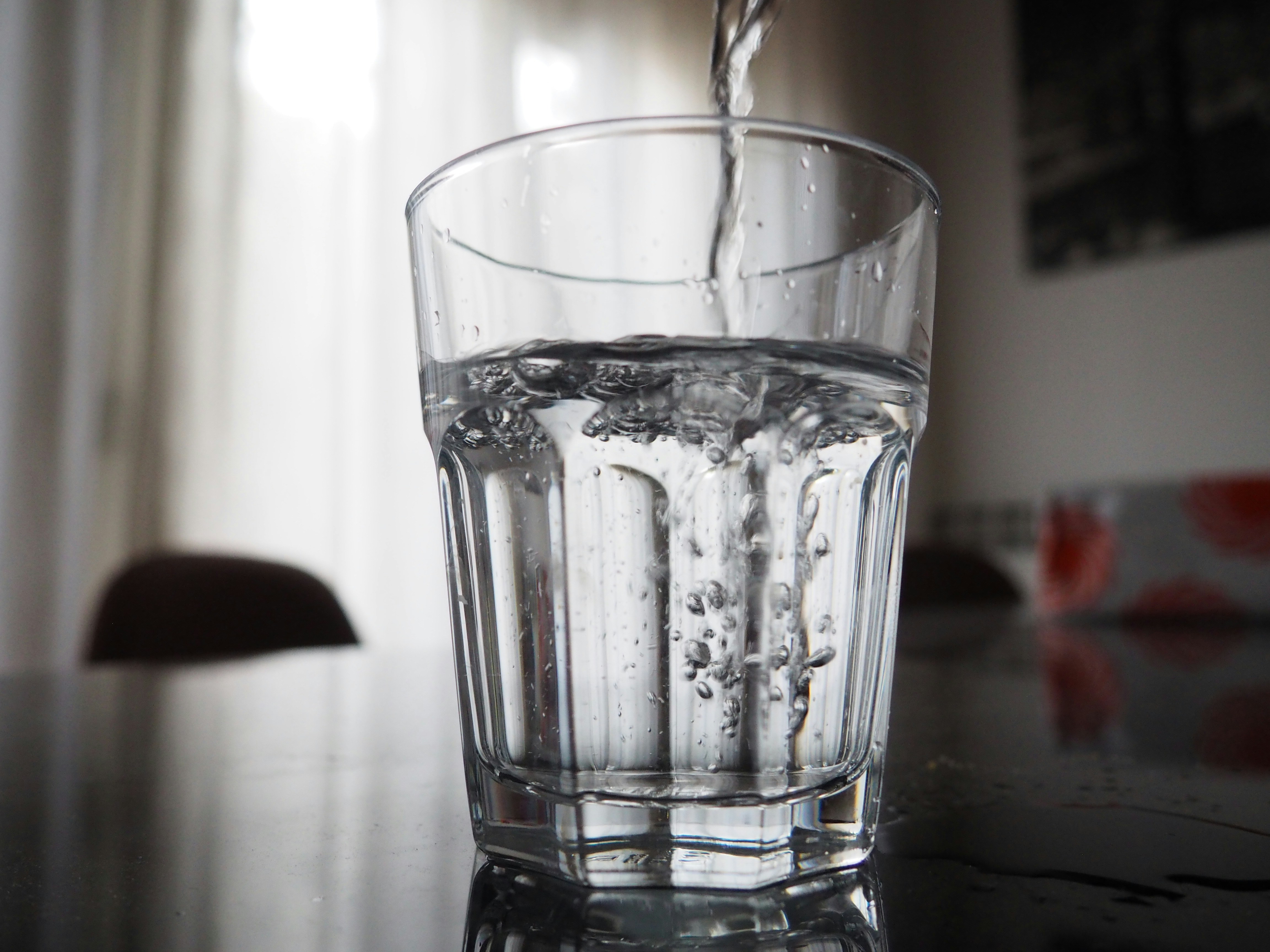
Every cell in your body depends on water to function at its best, making hydration essential for maintaining steady energy, clear focus, and good health. Drinking enough...
Jun 28, 2026

Moving through water creates a dynamic workout that engages muscles from all directions. Every stroke and step meets gentle resistance, encouraging the entire body to...
Jun 06, 2026

Soft fabrics drape across cozy furniture, gentle lighting casts a warm glow, and touches of greenery bring a sense of calm to any room. Thoughtful design choices can...
Mar 04, 2026

Small changes in daily routines can make a big difference for long-term wellness. With helpful direction, anyone can build habits that support healthy aging. This group...
Apr 18, 2026

Building close connections with others adds energy to your daily life and supports your overall health. Sharing experiences with friends makes it easier to cope with...
Apr 07, 2026

Muscles often feel sore and tired after a challenging workout, making recovery an essential part of any exercise routine. Taking time to care for your body at home can...
Mar 24, 2026

Decoding the contents of a cookie package or a bottle of salad dressing can seem confusing at first glance. Nutrition labels often present a maze of figures, unfamiliar...
May 12, 2026

Careful grocery shopping helps you make better choices each time you visit the store. By selecting whole foods, you support your energy and overall health while keeping...
Apr 03, 2026

Giving your body the right nutrients before and after exercise helps you get more out of every workout. When you pay attention to what you eat before physical activity,...
Jun 02, 2026

Understanding nutrition science changes how you approach grocery shopping, meal preparation, and your overall well-being. You can learn valuable insights directly from...
Mar 11, 2026

Building strength without putting unnecessary strain on your joints requires thoughtful consideration. Many people look for workouts that challenge their muscles but do...
Mar 20, 2026