
How to Stay Motivated With Fitness Challenges That Actually Work
Jun 10, 2026



Creating a consistent routine for weekly strength training takes more than good intentions alone. You benefit from straightforward steps, an easy-to-follow plan, and achievable milestones that keep your motivation high. This guide shares nine practical tips designed to help you build a sustainable habit, making it easier to fit strength workouts into your weekly schedule and enjoy steady progress over time.
Each approach centers on real-life routines, quick wins, and methods to measure progress. Try these steps in your schedule and adjust as you discover what works best for you.
Decide what you want to accomplish in the next month, quarter, or year. Don’t aim for dramatic improvements immediately. Instead, break your targets into manageable pieces that you can track weekly.
By creating a clear plan, you lower the chances of skipping sessions. Small steps boost confidence and show consistent progress.
Reserve specific days and times on your calendar for strength exercises. Treat these slots as important meetings you cannot miss.
Planning your workouts around work or family commitments helps you stick to them. A clear plan eliminates guesswork on the day of your session.
Focus on moves that give you a sense of achievement. If you love kettlebell swings or bodyweight squats, make those your staples. Enjoying a few core exercises prevents burnout.
Mix in your favorites and introduce a new drill each month. This variety keeps workouts interesting and prevents your motivation from waning. When a session is fun, forming a habit becomes easier.
Log your workouts immediately after finishing each one. Record weights, reps, sets, and your feelings. This habit sharpens your awareness of strength and energy changes.
If you prefer digital tools, try a simple spreadsheet or a free app. Keeping a record over weeks reveals trends. Seeing your progress motivates you and encourages building on past efforts.
Partner with a friend, join a small group, or work with a coach. When someone asks about your progress, it adds a level of commitment you cannot ignore.
Even a weekly check-in message or a quick video call counts. Being responsible keeps you honest and reminds you of your reasons for starting. Sharing small wins with others fuels ongoing effort.
Focus on moves that work multiple joints and muscles, such as deadlifts, bench presses, and pull-ups. These exercises provide significant returns for your effort, increasing strength across your body.
Alternate two or three compound lifts weekly. Pair them with lighter accessory work. This approach saves time and builds a solid foundation. You’ll notice quick improvements in overall power.
Learn the correct form to prevent injury and target your muscles effectively. If unsure, record yourself or ask for feedback from an experienced lifter.
Spend a few minutes before each session on mobility checks: ankle flexibility, shoulder range, and hip openers. Good form feels smooth. When each repetition targets the right muscle, you stay consistent and avoid setbacks.
Start with dynamic movements to increase your heart rate and prepare your muscles. Think bodyweight lunges, arm circles, or light rows. Five minutes makes a noticeable difference.
Finish with static stretches or foam rolling to ease tension. This habit reduces soreness and shortens recovery time. When you recover faster, you’re more likely to perform each session on schedule.
Set up small rewards for achieving milestones. It could be a new gym shirt after four weeks of consistent workouts or a massage after eight sessions. Tangible rewards reinforce your routine.
Keep rewards simple and directly linked to your routine. Celebrating progress boosts enthusiasm for the next set of workouts. Over time, maintaining the habit becomes its own reward.
Set clear goals, create a plan, and track your progress to build a weekly strength routine. Follow these steps and adapt them to your life to develop a consistent habit.

Steady movement and sure footing create opportunities for more active and enjoyable days. Practicing a few straightforward exercises helps improve balance, encourages...
Aug 16, 2026

Moving through water creates a dynamic workout that engages muscles from all directions. Every stroke and step meets gentle resistance, encouraging the entire body to...
Jun 06, 2026
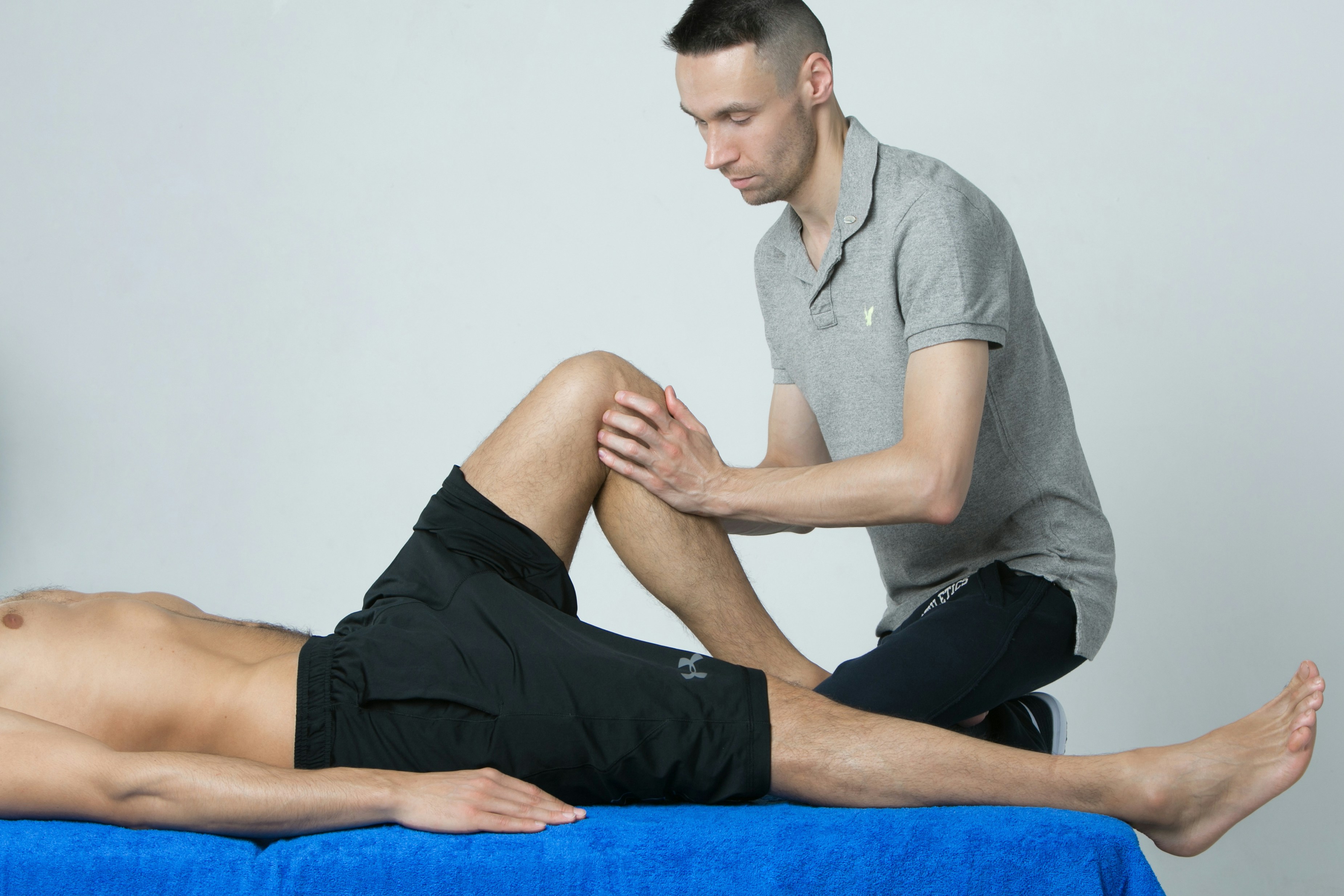
Staying active after demanding workouts becomes much easier when you take steps to reduce muscle soreness. A well-planned recovery routine can help you avoid aches and...
Aug 22, 2026

Many people struggle to maintain a comfortable balance between their job responsibilities and their personal lives. The constant tug-of-war between meeting deadlines at...
Sep 21, 2026

Busy schedules often make it challenging to fit in a good cardio workout. Long workdays filled with meetings and personal commitments can leave you feeling drained and...
Jul 10, 2026

Riding a bike builds cardiovascular strength and challenges your stamina in exciting ways. You might find yourself racing down neighborhood paths or working up a sweat...
Aug 19, 2026

Long hours at a desk often leave you feeling tired and sluggish, while your circulation takes a hit from staying still. Simple movements right at your workstation can...
Aug 26, 2026

Building good health starts with learning to read, question, and use information about what you eat, how you move, and the care you receive. Strong health literacy means...
Aug 12, 2026

Many people struggle to find a healthy balance when it comes to time spent on devices. Constant scrolling can quickly sap your energy and focus, yet avoiding screens...
Jun 24, 2026

Experts gather in a vibrant setting filled with fresh insights on healthy aging. Each workshop unpacks fascinating scientific questions, offering practical habits anyone...
Aug 05, 2026

Many people find themselves reaching for their phones to browse social media after a busy day, intending only to spend a few minutes online. Before they know it, half an...
Jul 05, 2026

Giving your body the right nutrients before and after exercise helps you get more out of every workout. When you pay attention to what you eat before physical activity,...
Jun 02, 2026

Every cell in your body depends on water to function at its best, making hydration essential for maintaining steady energy, clear focus, and good health. Drinking enough...
Jun 28, 2026

Many people wake up feeling tired or find their thoughts racing, even after spending a full night in bed. Achieving truly restful sleep takes more than just logging...
Jun 15, 2026