The Best Aquatic Fitness Exercises for Full-Body Conditioning
Jun 06, 2026



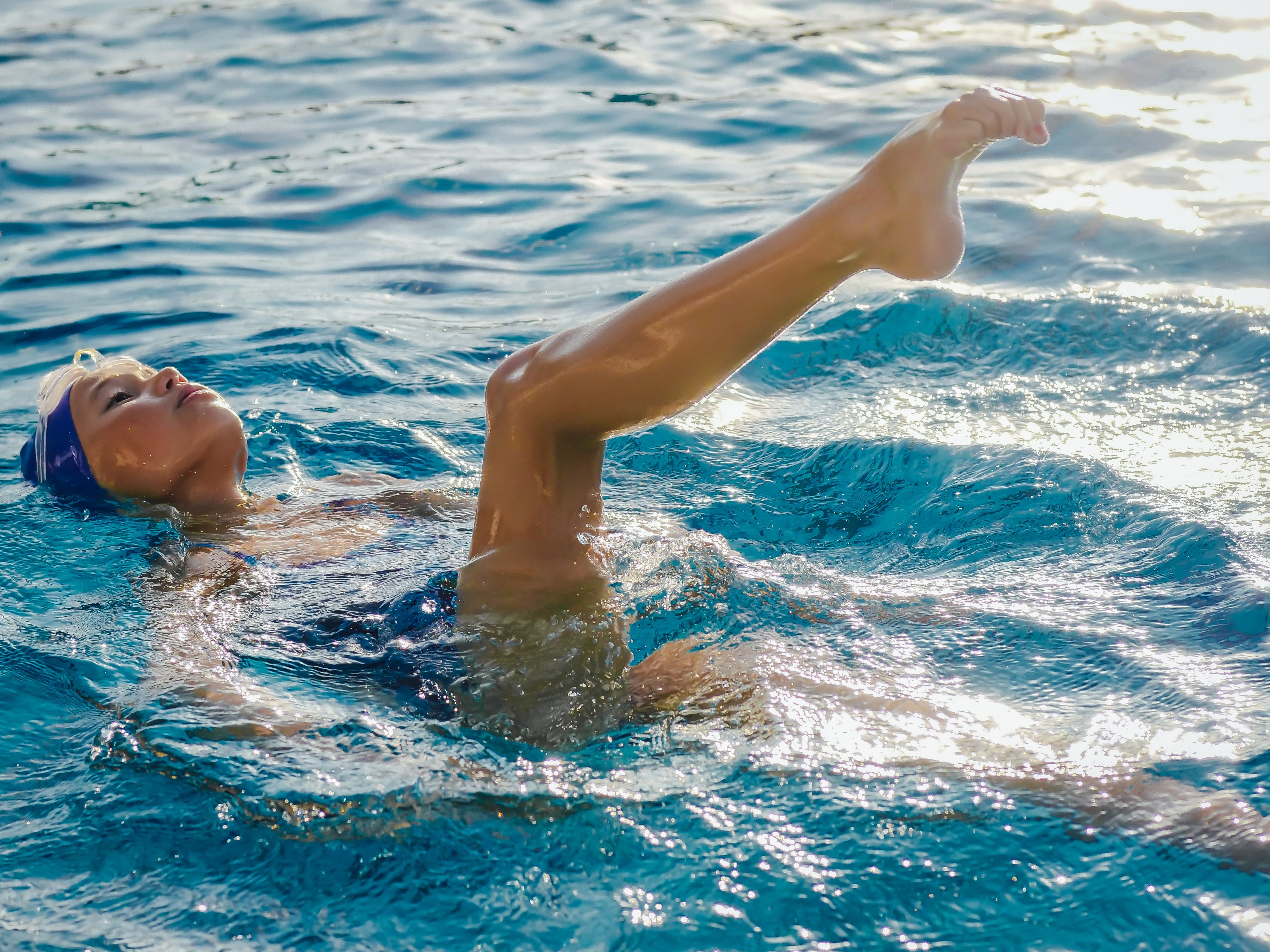
Many people find that exercising in water offers a unique way to improve heart health while minimizing strain on joints like knees and hips. The natural buoyancy of water cushions every movement, making each workout feel lighter and more comfortable. With less impact to worry about, you can focus on moving smoothly and confidently. Not only do aquatic workouts help burn calories and strengthen muscles, but they also provide a gentle environment that supports joint health throughout each session. Whether swimming laps or following a guided routine, you can enjoy all these benefits at the same time.
You don’t need to swim laps to see results. Simple moves in chest-deep water challenge your core and heart. You can adjust sessions to match your fitness level and goals. Let’s explore techniques that keep your joints healthy and your heart beating fast.
Water workouts provide unique benefits for people with achy joints or limited range of motion. The following points make aquatic training an excellent choice:
Water provides countless ways to train. You can change your pace, style, and equipment to keep things interesting. Here are four popular formats:
1. *Aqua* jogging uses a flotation belt and simulates running. You can increase your speed safely. 2. *Water* aerobics mixes dance moves with resistance tools like *AquaPaddle* or foam dumbbells. 3. Swimming laps builds endurance and targets multiple muscle groups. 4. Interval circuits combine sprints in water with strength exercises.
You can also participate in instructor-led classes at your neighborhood pool. They often include music and community support. If you prefer working alone, set a timer and alternate between high and low effort.
Begin by evaluating your current fitness level. Keep track of how long you can maintain moderate effort in water. Test basic moves like water marches and leg lifts. This helps you set a baseline for progress.
Next, organize your sessions with a warm-up, main workout, and cool-down. A sample plan might look like this:
Increase your effort by adding more intervals or speeding up your movements. Focus on controlled form to prevent sudden jerks that could strain connective tissue.
You don’t need fancy tools to start. Basic items can improve your performance and comfort.
Optional extras like *Hydro-Tone* gloves increase resistance for more intense strength training. Make sure your gear fits snugly to avoid chafing or extra drag that slows you down.
These sessions demonstrate that you can combine cardio, strength, and flexibility in one workout. Each routine lasts 40–50 minutes, including warm-up and cool-down.
Interval Sprint Circuit
Warm-up: 5 minutes of water walking. Main workout: 30 seconds sprint, 60 seconds recovery, repeat 10 times. Strength exercises: 3 sets of 15 lateral leg lifts on each side. Cool-down: 5 minutes of gentle kicking while holding the pool edge.
Full-Body Resistance Session
Warm-up: Arm swings and torso twists for 5 minutes. Main workout: 2 sets of 12 reps with foam dumbbells for bicep curls, tricep kicks, and shoulder presses. Add 3 sets of 20 water squats. Cool-down: Stretch quads, hamstrings, and calves in waist-deep water.
Endurance Workout
Warm-up: 5 minutes of gentle swimming or water walking. Main workout: Swim continuous laps at a moderate pace for 20 minutes. Strength intervals: Pause every 5 minutes for 1 minute of plank holds or flutter kicks. Cool-down: 5 minutes of slow breaststroke.
Track your workouts to identify patterns and see your progress. Record time, distance, and how hard you feel you’re working. Increase one aspect at a time—such as interval duration or repetition count—to avoid plateaus.
Change your workout styles regularly to target different muscles and prevent boredom. Aim for three sessions weekly. If you feel recovered and motivated, add a fourth day.
Partner up with a friend or join a group class to stay accountable. Having someone to exercise with motivates you to keep going. Celebrate small achievements like reaching a new interval target or holding a plank longer.
Pay attention to your body. Water can mask pain signals, so check in with yourself often. If your joints feel tender, reduce effort or duration during that session.
Sip water before and after exercise. You can sweat in the pool too. Staying hydrated improves your performance and helps you recover faster.
Set a 4-week aquatic challenge. It could involve mastering a new stroke, increasing resistance, or simply sticking to your plan. Deadlines help you stay engaged.
Include land-based recovery days. Gentle yoga or brisk walking outside the pool helps maintain flexibility and balance.
By following these tips, you develop a sustainable habit that boosts your heart health and safeguards your joints.
Water workouts offer a fun, joint-friendly way to boost your heart rate and improve your body. Grab your *water shoes* and head to the pool to begin your new cardio routine today.
Busy schedules often make it challenging to fit in a good cardio workout. Long workdays filled with meetings and personal commitments can leave you feeling drained and...
Jul 10, 2026
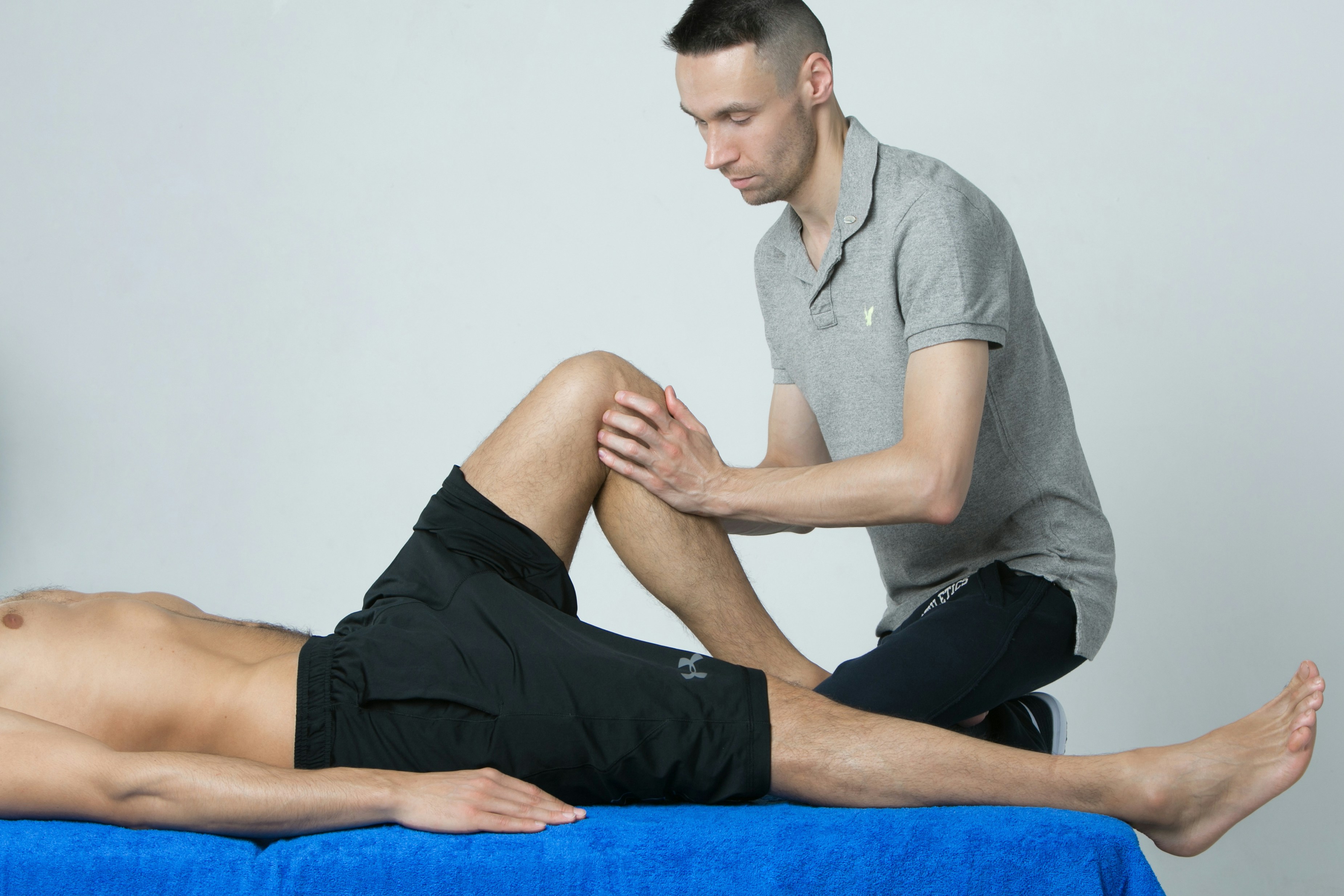
Staying active after demanding workouts becomes much easier when you take steps to reduce muscle soreness. A well-planned recovery routine can help you avoid aches and...
Aug 22, 2026

Riding a bike builds cardiovascular strength and challenges your stamina in exciting ways. You might find yourself racing down neighborhood paths or working up a sweat...
Aug 19, 2026
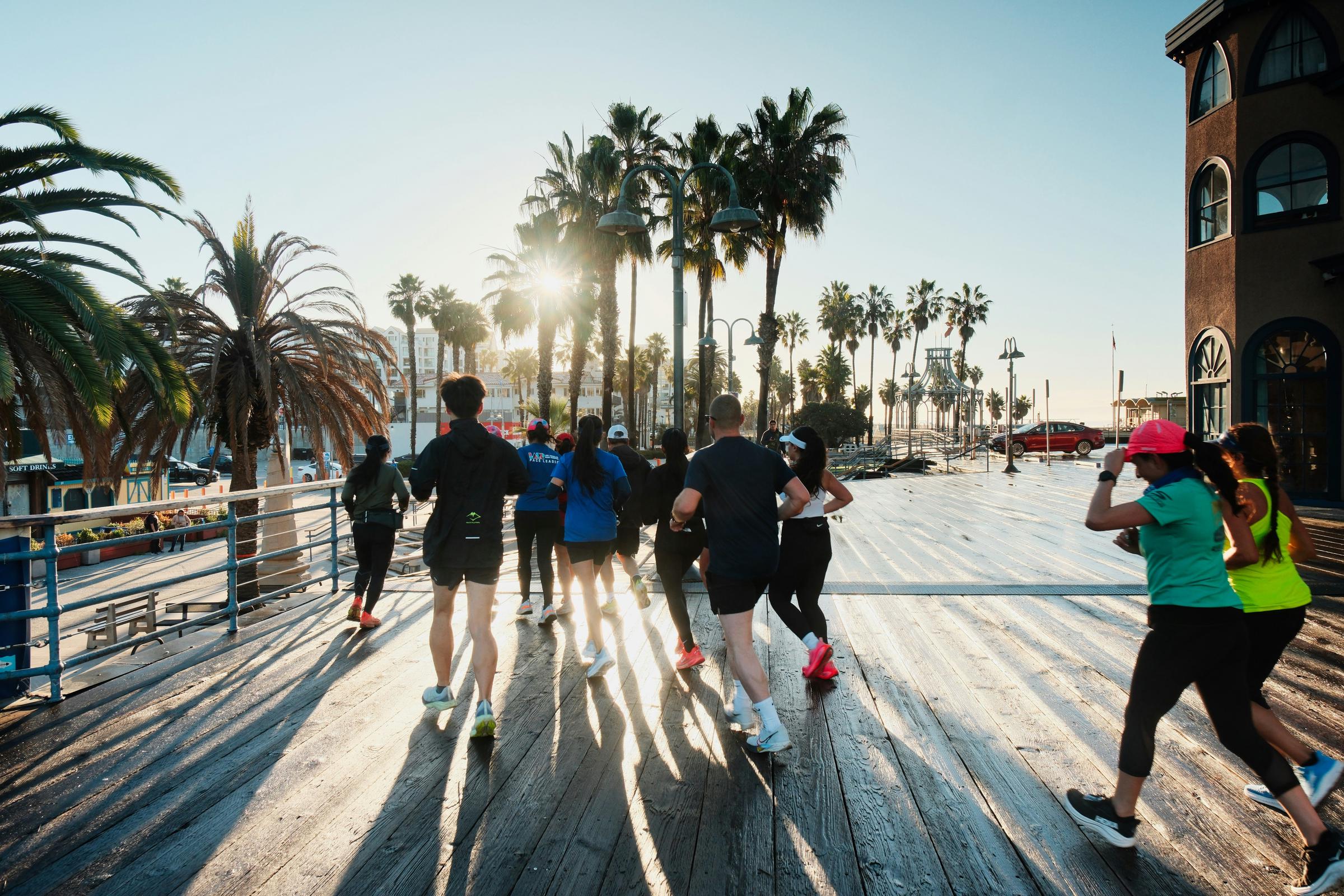
Building the drive to complete a challenging workout demands more than determination alone. A well-structured plan, engaging new activities, and consistent routines...
Jun 10, 2026
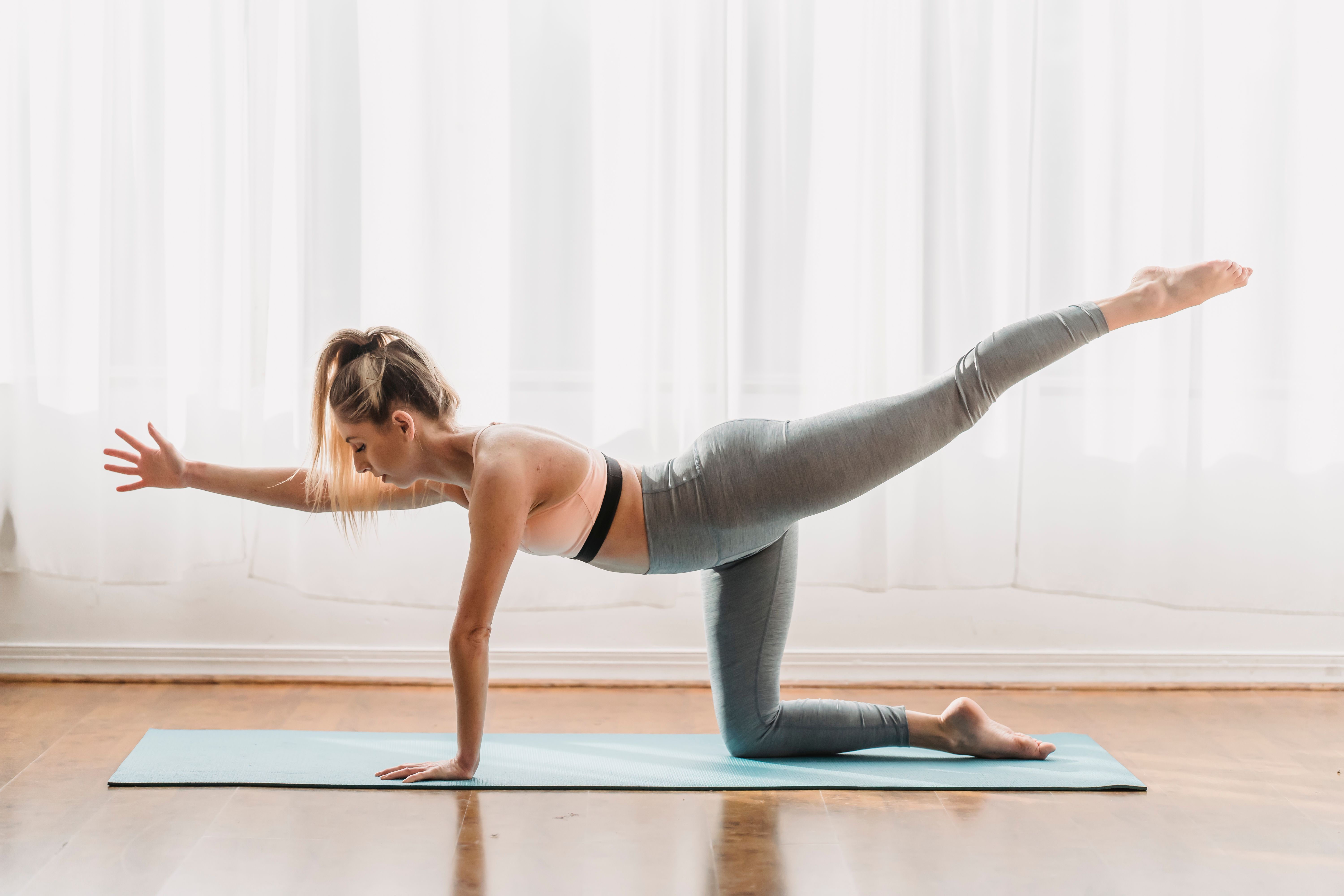
Strengthening your midsection brings noticeable improvements to your everyday comfort and mobility. Basic exercises performed at home offer valuable benefits, all...
Jul 15, 2026
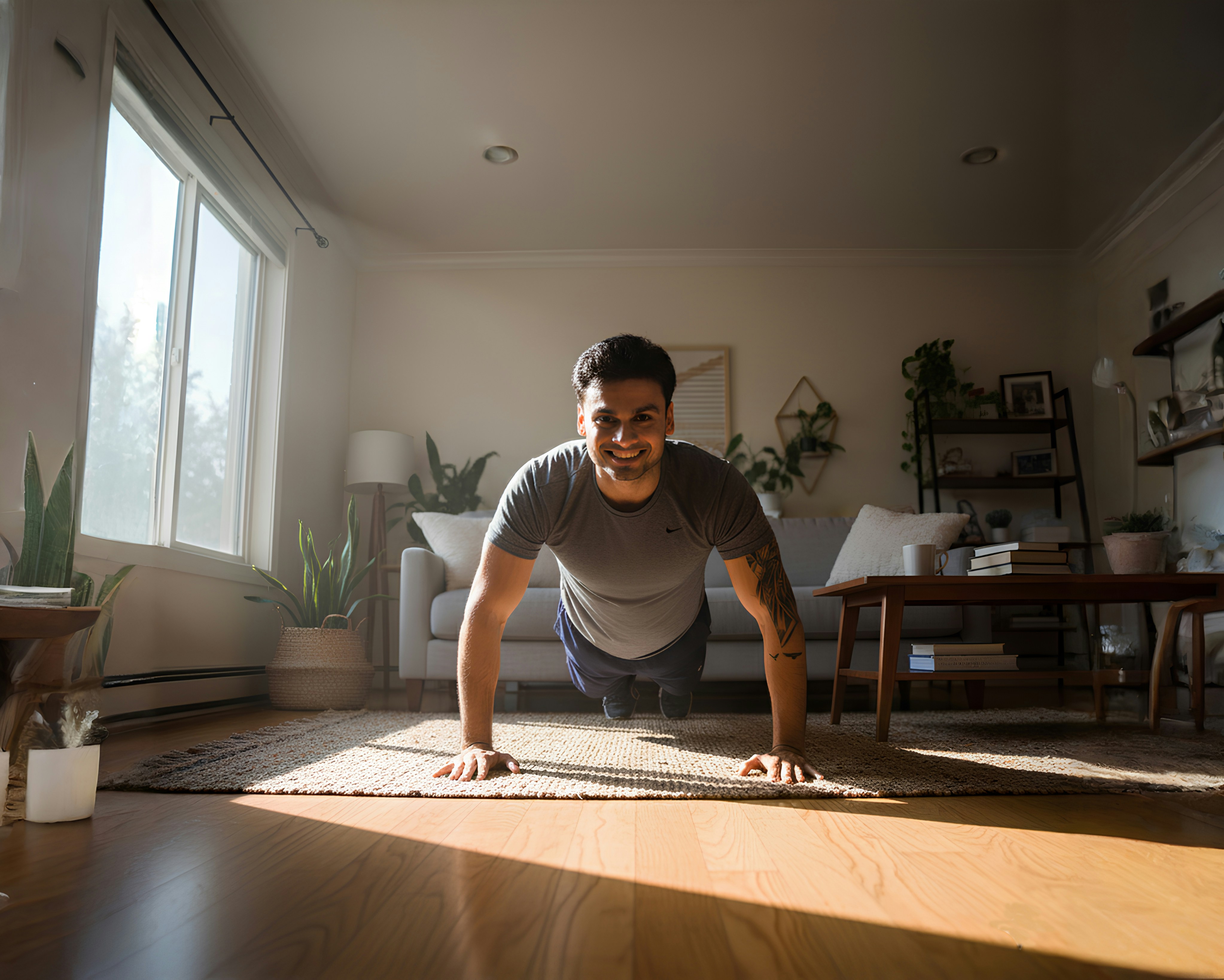
Steady movement and sure footing create opportunities for more active and enjoyable days. Practicing a few straightforward exercises helps improve balance, encourages...
Aug 16, 2026

Giving your body the right nutrients before and after exercise helps you get more out of every workout. When you pay attention to what you eat before physical activity,...
Jun 02, 2026

Experts gather in a vibrant setting filled with fresh insights on healthy aging. Each workshop unpacks fascinating scientific questions, offering practical habits anyone...
Aug 05, 2026
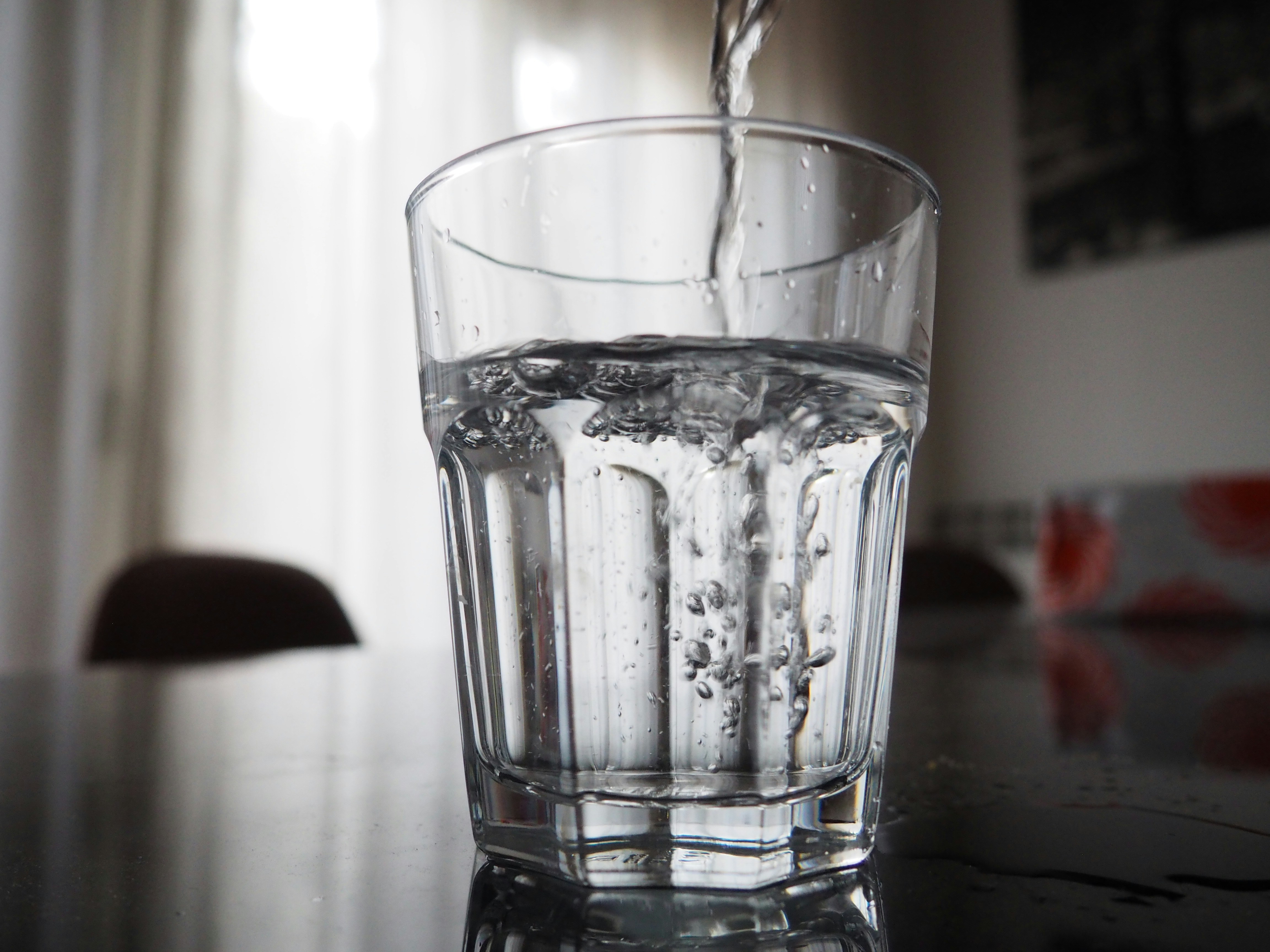
Every cell in your body depends on water to function at its best, making hydration essential for maintaining steady energy, clear focus, and good health. Drinking enough...
Jun 28, 2026

Many people wake up feeling tired or find their thoughts racing, even after spending a full night in bed. Achieving truly restful sleep takes more than just logging...
Jun 15, 2026

Long hours at a desk often leave you feeling tired and sluggish, while your circulation takes a hit from staying still. Simple movements right at your workstation can...
Aug 26, 2026

Many people struggle to find a healthy balance when it comes to time spent on devices. Constant scrolling can quickly sap your energy and focus, yet avoiding screens...
Jun 24, 2026

Many people struggle to maintain a comfortable balance between their job responsibilities and their personal lives. The constant tug-of-war between meeting deadlines at...
Sep 21, 2026

Creating a living space that feels comforting and environmentally conscious begins with thoughtful decisions about your surroundings. By paying attention to elements...
Jun 21, 2026