

How to Create a Sustainable Living Space That Promotes Wellness
Creating a living space that feels comforting and environmentally conscious begins with thoughtful decisions about your surroundings. By paying attention to elements...
Jun 21, 2026



Daily routines often bring unexpected stress that can make you feel overwhelmed. Tightness in your shoulders or a restless mind late at night may serve as signals that tension is building. By paying attention to these early warning signs, you can take small steps to keep stress from draining your energy or clouding your concentration. Managing stress before it becomes overwhelming allows you to stay more present and enjoy life’s moments with greater clarity and calm. Recognizing how stress affects your body and mind helps you respond in ways that support your well-being throughout the day.
This guide outlines six practical approaches you can start using today. Each method fits into a busy schedule and delivers real relief without complicated steps or long wait times. Let’s dive in.
You need to spot patterns before you can address stress effectively. Pay attention to moments when your heart races, your stomach knots, or you feel jittery. Tracking these clues reveals triggers you can target.
Once you identify your triggers, you can create small changes in your day. Replace or reduce the elements you find problematic. This step frees up headspace for more positive experiences.
Short breaks sprinkled throughout your day can reset tension levels. You don’t need a spa day—just two to five minutes of targeted activity.
Embed one or two techniques into your morning routine and revisit them when tension flares. Repetition trains your body to respond with calm instead of stress.
Small changes in daily habits can make a big difference. Pick a few from this list and commit to practicing them consistently.
Test each habit for two weeks and pay attention to how you feel. Adjust as needed until you find the right balance for your lifestyle.
You don’t need extensive training to practice mindfulness. Simple, daily exercises build awareness and help you catch stress early. Focus on connecting with the present moment through your senses.
Try a five-minute mindful walk. Notice each step, the ground beneath your feet and the air brushing your skin. If your mind drifts, gently bring it back to walking.
You can also practice mindful eating. Choose a small snack, like a grape or handful of almonds. Eat slowly, noting taste, texture and aroma. This approach grounds you in the present and breaks tension loops.
Routines shape your day. Building in supportive elements makes managing stress second nature.
When you include these elements in your calendar, they become automatic. Your day flows more smoothly, and stress takes a back seat.
Controlling chronic stress requires consistent small actions. Recognize triggers, choose effective techniques, and build habits that promote calm. This leads to improved focus, mood, and balance.
Creating a living space that feels comforting and environmentally conscious begins with thoughtful decisions about your surroundings. By paying attention to elements...
Jun 21, 2026

Every cell in your body depends on water to function at its best, making hydration essential for maintaining steady energy, clear focus, and good health. Drinking enough...
Jun 28, 2026
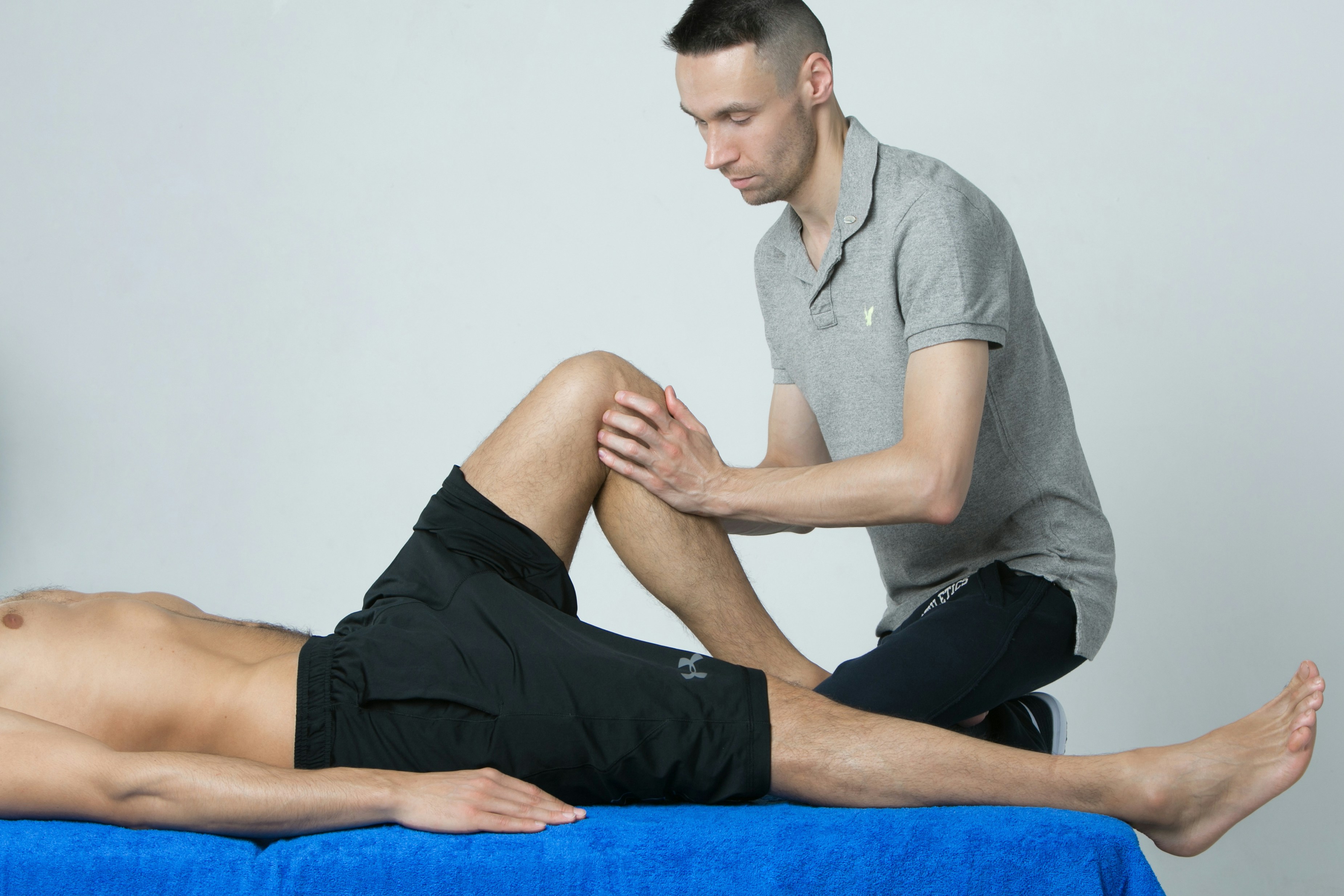
Staying active after demanding workouts becomes much easier when you take steps to reduce muscle soreness. A well-planned recovery routine can help you avoid aches and...
Aug 22, 2026

Many people find themselves reaching for their phones to browse social media after a busy day, intending only to spend a few minutes online. Before they know it, half an...
Jul 05, 2026

Building good health starts with learning to read, question, and use information about what you eat, how you move, and the care you receive. Strong health literacy means...
Aug 12, 2026
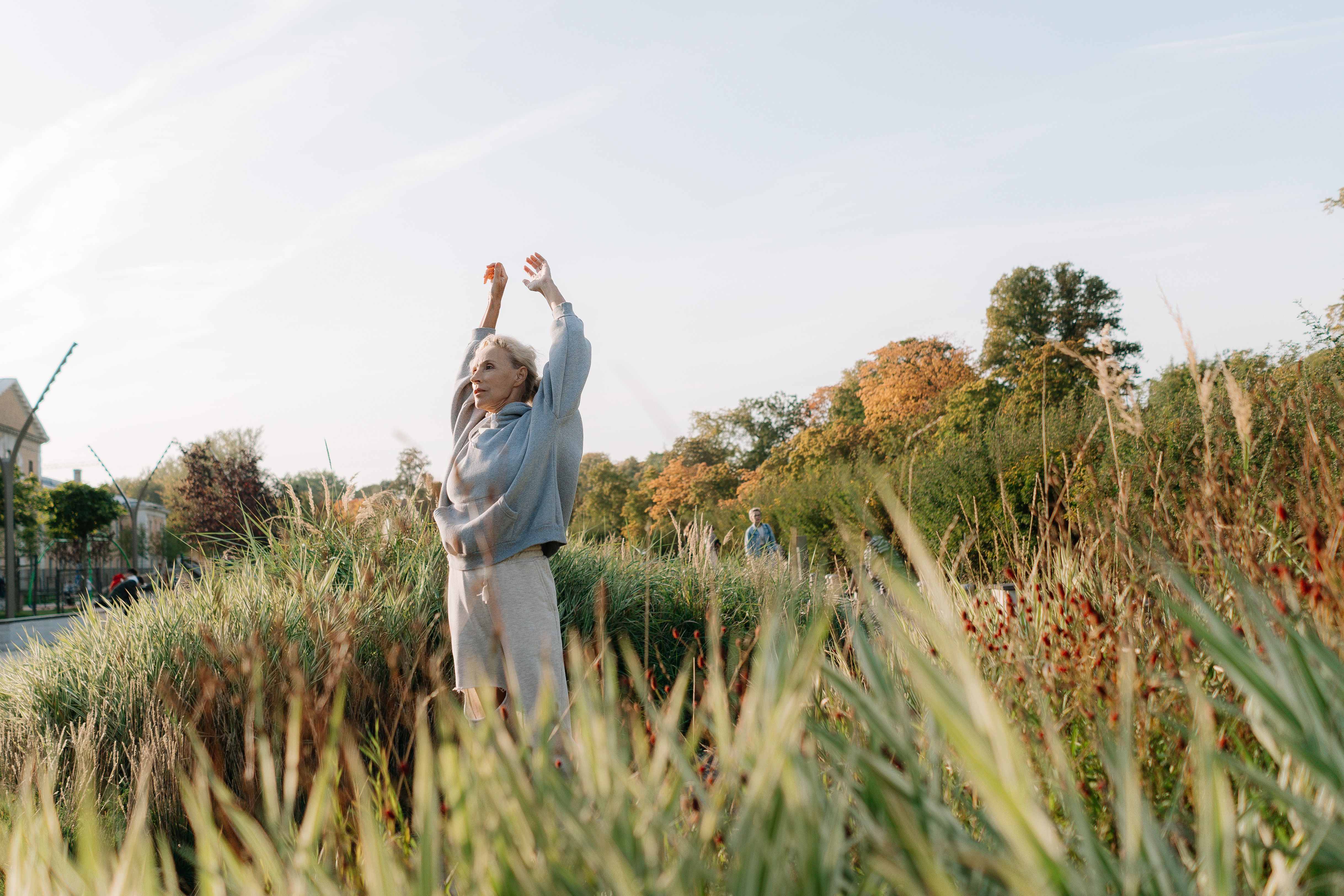
Experts gather in a vibrant setting filled with fresh insights on healthy aging. Each workshop unpacks fascinating scientific questions, offering practical habits anyone...
Aug 05, 2026

Creating a consistent routine for weekly strength training takes more than good intentions alone. You benefit from straightforward steps, an easy-to-follow plan, and...
Sep 24, 2026

Many people find that exercising in water offers a unique way to improve heart health while minimizing strain on joints like knees and hips. The natural buoyancy of...
Sep 27, 2026

Busy schedules filled with school drop-offs, professional tasks, and family commitments often push exercise to the bottom of the list. Finding just fifteen minutes for...
Oct 01, 2026

Building the drive to complete a challenging workout demands more than determination alone. A well-structured plan, engaging new activities, and consistent routines...
Jun 10, 2026

Strengthening your midsection brings noticeable improvements to your everyday comfort and mobility. Basic exercises performed at home offer valuable benefits, all...
Jul 15, 2026

Busy schedules often make it challenging to fit in a good cardio workout. Long workdays filled with meetings and personal commitments can leave you feeling drained and...
Jul 10, 2026

Fresh fruits and vegetables add both taste and nutrition to every meal you prepare. Selecting seasonal produce often means spending less at the market while supporting...
Jul 29, 2026

Each sip of water and every breath brings more than just essential elements into your body; hidden chemicals may also find their way in. These invisible substances move...
Jul 01, 2026