

5 Clever Ways To Fit Cardio Into The Hectic Workweek
Busy schedules often make it challenging to fit in a good cardio workout. Long workdays filled with meetings and personal commitments can leave you feeling drained and...
Jul 10, 2026



HVAC replacement in 2026 looks different from it did just a year ago. The federal Energy Efficient Home Improvement Credit that previously covered certain heat pumps, air conditioners, furnaces, and related improvements is no longer available for equipment placed in service after December 31, 2025. According to the IRS guidance on the Energy Efficient Home Improvement Credit, the credit does not apply to qualifying property placed in service after that date.
At the same time, state and local Home Energy Rebate programs, utility incentives, weatherization assistance, and high-efficiency equipment options can still reduce the cost of replacing an aging heating and cooling system.
For a homeowner facing weak cooling, rising energy bills, frequent repairs, or an older HVAC system, the first question is usually whether repairing the existing unit still makes sense or whether replacement would provide better long-term value. The answer depends on the age and condition of the equipment, the repair needed, energy efficiency, available rebates, and whether other parts of the home—such as ducts or insulation—are contributing to the problem.
One of the biggest changes is the end of the federal Energy Efficient Home Improvement Credit under Section 25C for new installations completed in 2026.
The Internal Revenue Service explains that the credit is not allowed for property placed in service after December 31, 2025. That means the former federal tax-credit route for qualifying heat pumps, central air conditioners, furnaces, boilers, and certain other energy-efficiency upgrades does not apply to equipment newly installed in 2026.
However, that does not mean every HVAC incentive disappeared.
The U.S. Department of Energy continues to operate the Home Energy Rebates Program, with rebates administered by participating states, territories, and Tribes. Availability and eligibility depend on location, household income, equipment requirements, and the specific program operating in the area.
For homeowners planning an HVAC replacement, this distinction matters:
A federal income-tax credit is no longer available for a new 2026 HVAC installation under Section 25C.
State or local rebates may still be available.
Utility-company rebates may be separate from federal programs.
Weatherization assistance can still provide energy-efficiency improvements to qualifying households.
Some whole-home projects may qualify for rebates based on the energy savings produced by the project.
Checking current local incentives before signing an HVAC contract can therefore make a meaningful difference.
Not every HVAC problem requires a full replacement.
A repair may be the more practical option when the system is relatively young, has a good service history, and needs a limited repair rather than a major component replacement.
Before replacing the entire system, ask an HVAC technician to identify the specific cause of the problem. Cooling or heating issues can sometimes come from:
The notes that dirty coils, incorrect refrigerant levels, airflow problems, and other maintenance issues can reduce system efficiency and increase operating costs.
If the problem can be corrected with a modest repair and the main equipment is otherwise working properly, keeping the existing unit may be reasonable.
Age is one of the clearest indicators.
ENERGY STAR recommends considering HVAC replacement when a heat pump or central air conditioner is more than about 10 years old, especially when it also requires frequent repairs or energy bills are increasing. Furnaces and boilers may deserve replacement consideration when they are more than approximately 15 years old.
Other signs can include:
A single symptom does not automatically mean the equipment needs replacement. Duct problems, poor insulation, air leakage, or incorrect system sizing can produce similar symptoms.
That is why a proper HVAC evaluation should look at the whole home rather than only the outdoor unit.
The repair estimate is only one part of the decision.
Suppose an older air conditioner needs a significant repair. The repair may cost less today than installing a new HVAC system, but the homeowner should also consider how likely another major repair is during the next few years.
Compare:
Current repair cost
Ask exactly what component is being replaced and whether the repair includes parts, labor, refrigerant, testing, and a warranty.
Age of the equipment
A significant repair on a system that is already around or beyond its expected replacement window deserves closer evaluation.
Recent repair history
Several service calls over a short period may indicate that the system is becoming less reliable.
Energy use
Older or poorly performing equipment can increase monthly heating and cooling costs.
Available rebates
A rebate available for replacement may reduce the difference between repairing an old unit and installing efficient new equipment.
Expected time in the home
A homeowner planning to stay for many years may place more value on efficiency and reliability than someone expecting to move soon.
The goal is not simply to choose the lowest immediate price. It is to compare the expected cost of keeping the existing system with the total cost and potential benefits of replacement.
A traditional HVAC replacement might mean installing another central air conditioner together with a furnace.
Another option is an air-source heat pump.
A heat pump provides both cooling and heating. During warm weather it operates similarly to an air conditioner, while during colder weather it moves heat into the home rather than relying only on traditional resistance heating or combustion.
According to ENERGY STAR guidance on heat pumps, modern heat pumps can provide up to three times as much heat energy as the electrical energy they consume under appropriate conditions. Replacing a central air conditioner with a heat pump can also sometimes require only a relatively modest additional investment compared with another standalone central AC system.
Common options include:
The best option depends on climate, house size, existing equipment, electrical capacity, duct condition, and local energy prices.
Although the federal Section 25C tax credit ended for 2026 installations, the federal Home Energy Rebates framework continues to support state-administered programs.
Under the High-Efficiency Electric Home Rebate program requirements, an eligible ENERGY STAR electric heat pump for space heating and cooling can qualify for a rebate of up to $8,000, subject to household income, project cost, local program availability, and program rules. The overall electrification rebate limit can reach $14,000 per household across eligible improvements.
The program is income-based. Federal guidance provides that qualifying households below 80% of area median income can receive up to 100% of qualified project costs within program caps, while households generally between 80% and 150% of area median income can receive up to 50% of qualified costs within those caps.
That does not mean every household can automatically receive an $8,000 HVAC rebate.
The actual amount can depend on:
The Department of Energy Home Energy Rebates portal provides current information about where programs are available.
The HOMES Rebate Program takes a different approach.
Instead of focusing only on one appliance, HOMES can provide rebates for eligible whole-home energy upgrades based on the amount of energy the project is expected to save.
The Department of Energy explains Home Energy Rebates can support qualifying improvements including:
Depending on modeled energy savings and household circumstances, qualifying projects can receive rebates reaching up to $8,000.
This can matter when an HVAC system is only one part of the problem.
For example, replacing an air conditioner may not provide the expected comfort if a large amount of cooled air is escaping through leaky ducts or poorly insulated areas.
A whole-home approach can address the system and the building together.
Some households may also qualify for the Weatherization Assistance Program, commonly called WAP.
The program operates through state and local providers and is designed to help qualifying households reduce energy costs and improve home comfort and safety through energy-efficiency upgrades.
The Department of Energy issued its Program Year 2026 Weatherization funding guidance in July 2026, confirming that the program remains active.
Weatherization work is based on an assessment of the home rather than a homeowner simply choosing any HVAC system.
Depending on the property and local program, recommended work can involve:
The local weatherization agency determines eligibility and which measures are appropriate for the home.
A new HVAC system cannot fix every comfort problem by itself.
According to ENERGY STAR heating and cooling guidance, sealing and insulating ducts can improve heating and cooling system efficiency by as much as 20% in some homes, particularly where ducts pass through attics, crawlspaces, garages, or other unconditioned areas.
Before approving an HVAC replacement, ask the contractor whether the existing ducts have been inspected for:
If major duct problems exist, the HVAC replacement quote should explain whether they need to be repaired at the same time.
A bigger HVAC system is not automatically better.
Oversized equipment can turn on and off too frequently, a behavior called short cycling. That can increase wear, reduce comfort, and create humidity problems.
Undersized equipment may run continuously and still struggle to maintain the desired indoor temperature.
Ask the contractor how the replacement system was sized and whether the estimate is based on the home's actual heating and cooling requirements rather than simply matching the capacity of the old unit.
The ENERGY STAR HVAC guidance also emphasizes that installation quality can have a major effect on efficiency and comfort.
The lowest equipment price is not always the lowest total cost.
Different programs can require specific equipment efficiency levels, approved contractors, income verification, or pre-approval.
Check the Home Energy Rebates Program before installation, because some programs may require approval before work begins.
Electric and gas utilities may operate incentive programs separate from state Home Energy Rebates.
Ask about:
The Federal Trade Commission recommends comparing written home-improvement estimates and reviewing the work, materials, price, and completion terms before choosing a contractor.
For an HVAC replacement, each quote should clearly identify:
This makes it possible to compare the same scope rather than simply comparing three different totals.
Sometimes an uncomfortable home needs both HVAC work and basic efficiency improvements.
Air sealing, duct sealing, insulation, filter replacement, thermostat improvements, and maintenance may reduce HVAC demand.
That can also help a contractor size the eventual replacement more accurately.
Before signing a replacement agreement, ask:
Get important promises in writing.
The FTC's home-improvement guidance also advises consumers not to automatically select the lowest bidder and not to pay the entire project price upfront.
The previous Section 25C Energy Efficient Home Improvement Credit is not available for qualifying equipment placed in service after December 31, 2025. The IRS provides details on the expiration of the credit.
Potentially. State, territory, and Tribal Home Energy Rebate programs continue to operate in participating locations.
Eligible heat-pump projects can qualify for rebates of up to $8,000 under the Home Electrification and Appliance Rebates framework, subject to income limits, project cost, local program rules, and available funding. Check the official DOE Home Energy Rebates page for current program availability.
No. The figure is a maximum program limit, not a guaranteed payment. Household income, actual project cost, local eligibility rules, and available funding determine the rebate.
Not automatically.
ENERGY STAR's replacement guidance identifies an air conditioner or heat pump over roughly 10 years old as a reason to begin considering replacement, particularly when repairs are becoming frequent or energy bills are increasing.
A properly functioning older system may still be repairable.
A heat pump can provide air conditioning during warm weather, but it can also reverse operation to provide heating during colder weather.
You can review the technology in ENERGY STAR's clean heating and cooling guide.
Some whole-home rebate and weatherization programs can include measures such as duct sealing, insulation, and air sealing when they are part of an eligible energy-efficiency project.
The Department of Energy Home Energy Rebates Program explains the broader types of improvements that may be included.
Start with the current system rather than the rebate.
Have the HVAC problem diagnosed, determine the age and condition of the equipment, and ask whether a repair can reasonably extend its service life.
If replacement makes more sense:
HVAC replacement in 2026 requires a little more research than simply choosing a new air conditioner or furnace. The federal Section 25C home-improvement tax credit has ended for equipment placed in service after 2025, but that does not eliminate every opportunity to reduce replacement costs.
The U.S. Department of Energy Home Energy Rebates Program, state and local incentives, heat-pump rebates, whole-home efficiency programs, utility incentives, and the Weatherization Assistance Program may still provide useful options.
The best starting point is to determine whether the existing HVAC system truly needs replacement. Compare the repair cost, equipment age, recent service history, energy use, duct condition, and available incentives. If replacement is the better choice, compare several written estimates and check rebate requirements before installation begins.
A well-planned HVAC upgrade can address more than a broken air conditioner or furnace—it can improve year-round comfort, reduce wasted energy, and help avoid another emergency replacement later.
Busy schedules often make it challenging to fit in a good cardio workout. Long workdays filled with meetings and personal commitments can leave you feeling drained and...
Jul 10, 2026

Many packaged foods contain large amounts of sugar, sodium, and refined grains that can sneak into your daily meals. By making simple ingredient swaps at home, you can...
May 02, 2026

Daily responsibilities often build up, leaving you feeling overwhelmed or tired before the day has truly begun. Early mornings sometimes bring more fatigue than rest,...
May 09, 2026

Decoding the contents of a cookie package or a bottle of salad dressing can seem confusing at first glance. Nutrition labels often present a maze of figures, unfamiliar...
May 12, 2026

Making changes to reduce sugar often seems challenging, yet every small adjustment makes a difference over time. You can still enjoy delicious foods and satisfying...
May 19, 2026

Enrolling in a cooking class brings a fresh twist to your daily meals while building your confidence in the kitchen. You learn to replace rich, heavy sauces with vibrant...
May 23, 2026

Giving your body the right nutrients before and after exercise helps you get more out of every workout. When you pay attention to what you eat before physical activity,...
Jun 02, 2026

Moving through water creates a dynamic workout that engages muscles from all directions. Every stroke and step meets gentle resistance, encouraging the entire body to...
Jun 06, 2026

Building the drive to complete a challenging workout demands more than determination alone. A well-structured plan, engaging new activities, and consistent routines...
Jun 10, 2026

Many people wake up feeling tired or find their thoughts racing, even after spending a full night in bed. Achieving truly restful sleep takes more than just logging...
Jun 15, 2026

Creating a living space that feels comforting and environmentally conscious begins with thoughtful decisions about your surroundings. By paying attention to elements...
Jun 21, 2026

Many people struggle to find a healthy balance when it comes to time spent on devices. Constant scrolling can quickly sap your energy and focus, yet avoiding screens...
Jun 24, 2026
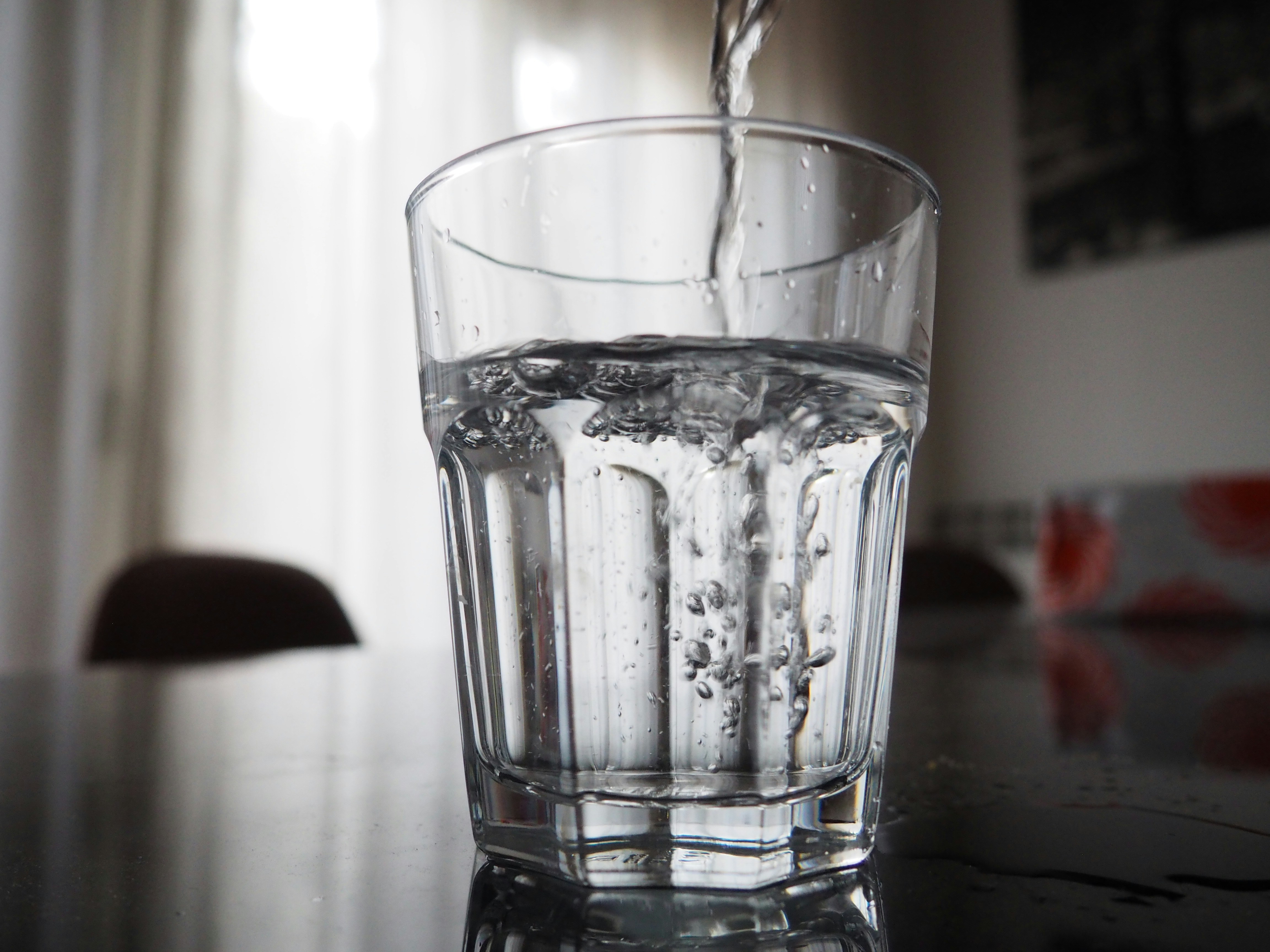
Every cell in your body depends on water to function at its best, making hydration essential for maintaining steady energy, clear focus, and good health. Drinking enough...
Jun 28, 2026

Each sip of water and every breath brings more than just essential elements into your body; hidden chemicals may also find their way in. These invisible substances move...
Jul 01, 2026